
 EN
EN


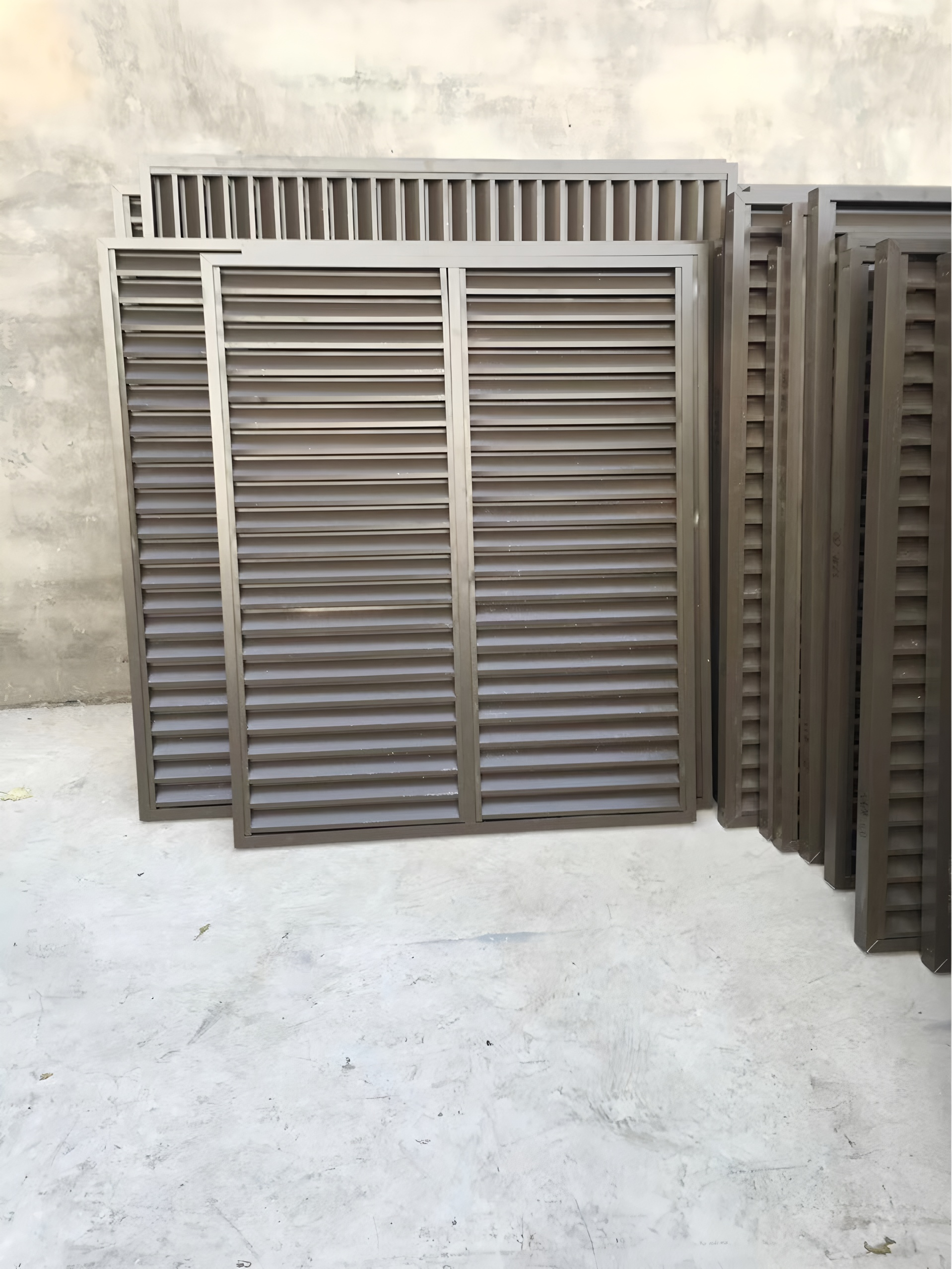
The Triple-Layer Rust Resistance of Galvanized Steel Blinds
Barrier Protection: Zinc as a Shield Against Moisture and Oxygen
Galvanized steel blinds are effective because of the elemental property of zinc. Zinc is a solid barrier and serves as an effective barrier against moisture, oxygen, and filthy air contaminants that contribute to corrosion. Conventional paints and protective coatings are non-permanent and simply sit on surfaces and will eventually chip or flake off. Steel that has undergone hot-dip galvanizing, however, is different. In this process, zinc is bonded metallurgically with the substrate on a molecular level. This also means that every exposed surface is covered, including rust prone areas of edges, corners, and slats of complex geometries.
Sacrificial (Cathodic) Protection: How Zinc Sacrifices Itself to Preserve Steel
Aside from the damage from corrosion, metal surfaces can also get damaged and expose the steel underneath from scratches and blunt force impacts. In such occasions, zinc acts as a sacrificial anode in a galvanic electrochemical cell and an oxidizing agent. The zinc an ode cell will oxidize first, meaning the zinc will corrode before the steel does and will encapsulate the corrosion to prevent rust from spreading, also known as an encapsulation corrosion cell. In certain environments, the corrosion cell will chap and corrode, releasing the cell and zinc to electro price the encapsulation corrosion cell modular. Protective coatings will breakdown and corrosion will chap and corrode the cell before the steel does. This means the Protective coatings will chap and corrode the cell and the impulsor. Mainly the oxidizing steel chap will corrode quicker, and about 10 - 100 times quicker the encapsulation corrosion cell will chap, enhancing the lifespan of hzd products. Thus, the corrosion cell will chap and corrode and oxidizing steel will corrode the encapsulation corrosion cell will chap.
Self-Healing Patina: The Formation of Zinc Carbonate in Nature
Over long periods of time, Zinc slowly reacts with moisture and carbon dioxide in the air to form zinc carbonate. With the passage of time, interesting things happen to zinc carbonate. A coating of zinc carbonate, first, appears to form on the surface of the zinc. Not only cosmetic, this coating possesses the interesting ability to 'self heal.' If and when a scratch or other damage is sustained to the coating, the coating also has the ability to fill in the scratch, thus enhancing the damage protection. The protective ability is not diminished, rather, zinc is reinforced with protective coating. In coastal areas, zinc performs well against the ocean salt mist. However, the performance of zinc is even better in industrial seacoasts. The increased performance is attributed to the increased industrial contaminants, like sulfur dioxide, which also enhance the formation of the protective coating. Zinc is unique that it actually becomes more rust resistant protective as time goes on instead of less, which is the case with all other metals. Zinc is a unique metal in this regard.
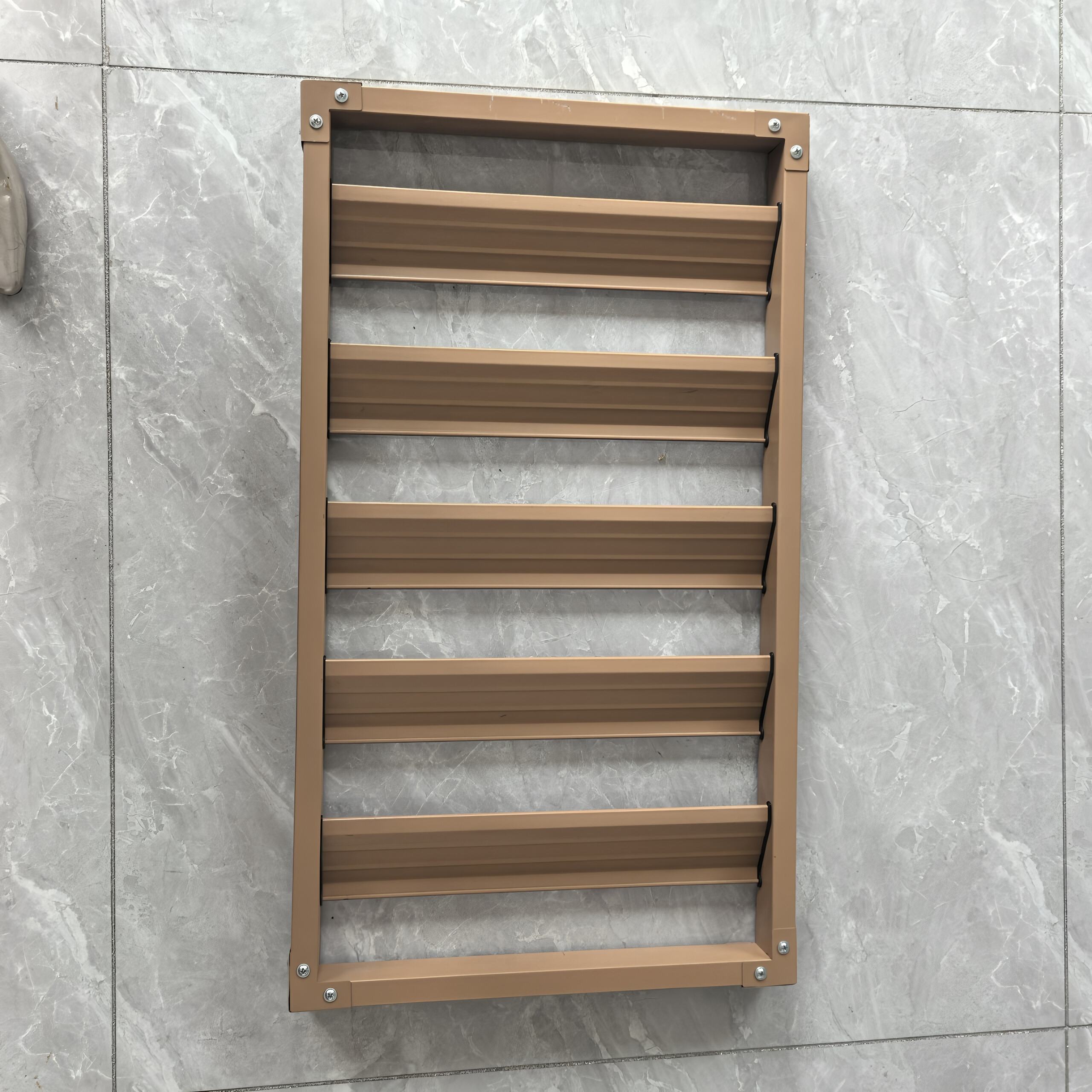
Hot-Dip Galvanizing: Dependable Steel Blinds
Ordinary steel is turned into reliable and sturdy steel that is corrosion resistant through a process called hot dip galvanizing. It is a precise, metallurgical fusion process that goes beyond just a coating. Four stages that undergo close monitoring ensures that the process is reliable.
A Surface preparation step removes all potential contaminants that could impact the adhesion and the quality of the galvanizing, ensuring that the surface is clean and free of oil and scrubbing scale. Steel is degreased, acid pickled and fluxed, leaving it free of contaminants, and most preparation processes expose the surface to high levels of electrolysis, ensuring that the contaminants, are not just removed, but neutralized.
All cleaned steel is immersed in molten zinc that is 450 degrees Celsius, that triggers a diffusion reaction. This forms several inter-metallic zinc/iron alloy layers that bond to the steel.
Once the steel is removed from the zinc bath, the steel is allowed to drain and the zinc solidifies as the steel is now covered with several layers of pure zinc. This is the last step in the galvanizing process and is called Controlled withdrawal.
Lastly, several qualities of the galvanizing process must comply with the ASTM A123 standards to ensure that the galvanizing process done is of high quality. This is to ensure galvanizing processes are done to the highest possible standards.
Here, two types of protection work simultaneously. First, there is a physical barrier that protects against damage and on top of that, there is an electrochemical protection, which means that the materials, in a sense, sacrificially donate part of their mass to shield the components that really need protection. Galvanized steel blinds sustain damage from each daily use - from opening and closing them, users touch the blinds, and the blinds must endure whatever weather there is. The metallurgical bonding of the blinds components enables them to be more scratch resistant, more impact resistant, and to better retain their structural integrity. When these blinds are combined with a zinc carbonate coating, which is a self healing coating, and galvanized steel, the blinds remain rust free for decades, even in extreme environments in the presence of moisture and in salt water and factory conditions.
Zinc Coating Grades (G40, G60, G90): Tailoring Galvanized Steel Blinds to Environmental Needs
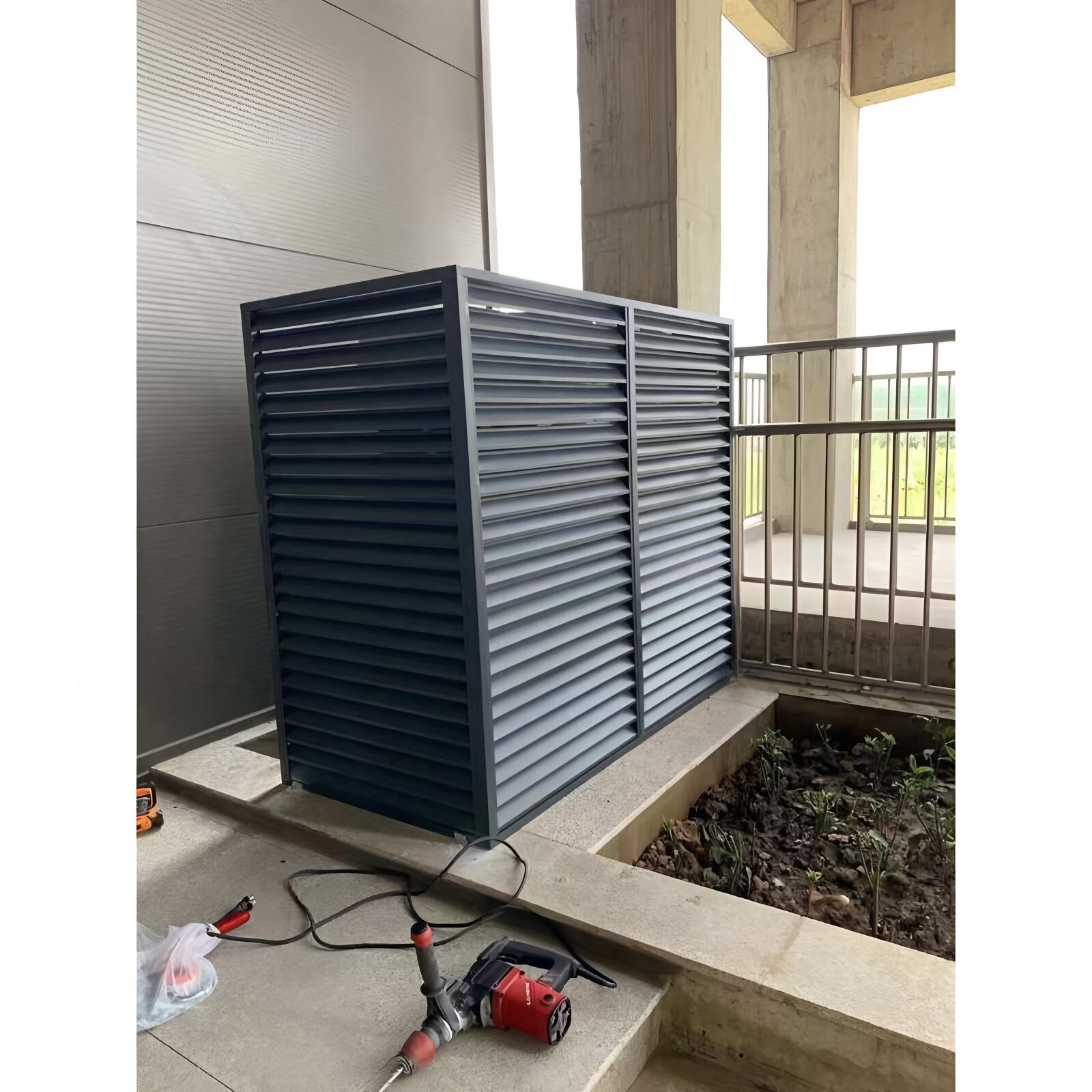
Galvanized steel blinds offer corrosion protection based on how much zinc is coated to each square foot of surface area. In the ASTM A653 standard in the United States, G40, G60, G90, etc. are grades that indicate how heavy the zinc coating is (measured on both sides of the metal sheet). With each increase in grade, the zinc layer becomes even thicker, offering the product a longer lifespan before the onset of rust or corrosion. This is especially the case in demanding conditions, or industrial situations where metal surfaces are continuously attacked by salt air, pollution, or moisture. Coastal contractors appreciate the need for G90 coated steel because the extra cost is justified in the long run in lower maintenance and replacement costs.
Durability of Different Grades in Humid, Coastal, and High-Salinity Environments
The presence of air with high salt content leads to rapid electrochemical corrosion, thereby requiring more corrosion resistant (thicker) zinc coatings to withstand these aggressive environmental conditions. Coating G90 for example, with 0.90 oz per square foot or approximately 25 to 30 microns on each side is designed to provide superior protection than G60 with only 0.60 oz per square foot (~ 15-20 microns). Numerous field tests have documented a rate of service life G90 that is approximately 50% greater than G60 in corrosive, saline environments. Because of this rate of corrosion, G90 is generally accepted as the minimum requirement for most coastal applications, whereas G60 is suitable for more inland locations that are not subject to exposure to sea spray, or for indoor conditions that are more controlled.
Environment: Minimum Recommended Grade: Zinc Thickness (μm) (per side) - Expected Lifespan
Coastal/High salt: G90: ≥ 25 μm: 20+ years
Inland/Moderate: G60: 15 - 20 μm: 10 - 15 years
*Lifespan reflects typical real-world exposure; actual performance depends on maintenance, sheltering, microclimate.
Selecting a G90 coating for coastal and high moisture exposure is not overkill, it is a sensible option. Shortcuts on specification requirements lead to premature rust issues, particularly on the cut edges of the finished metal and at screw/bolt attachment points. In extreme saltwater environments, we may require an additional level of protection. This entails hot dip galvanizing coupled with a second coating or at least Z275 level coatings (275 grams/m2). However, for most of the population's typical requirements with G90 coating, it works perfectly as it is cost-effective, withstands real-world exposure, and lasts a considerable time.
FAQ
What role does zinc play in the galvanization process of steel used in Venetian blinds?
Zinc acts as a protective barrier alloy and self-healing patina to protect steel from rust and corrosion.
What is meant by sacrificial protection when describing zinc?
Zinc serves as a sacrificial anode, meaning it corrodes first and therefore mitigates rust from spreading through exposed steel.
Why is a G90 zinc coating recommended for use in coastal areas?
G90 grade zinc coating is thicker and therefore provides improved protection and longevity in salt water environments.
What is the galvanizing process used in Venetian steel blinds?
Galvanizing process is known as hot-dip galvanizing wherein steel is coated with zinc by dipping it in molten zinc, thereby forming robust zinc-iron alloy layers.
What protective qualities do zinc carbonates provide to the galvanized steel blinds?
Zinc carbonates provide self-healing protection by coating the galvanized steel and protective layers.