
 EN
EN


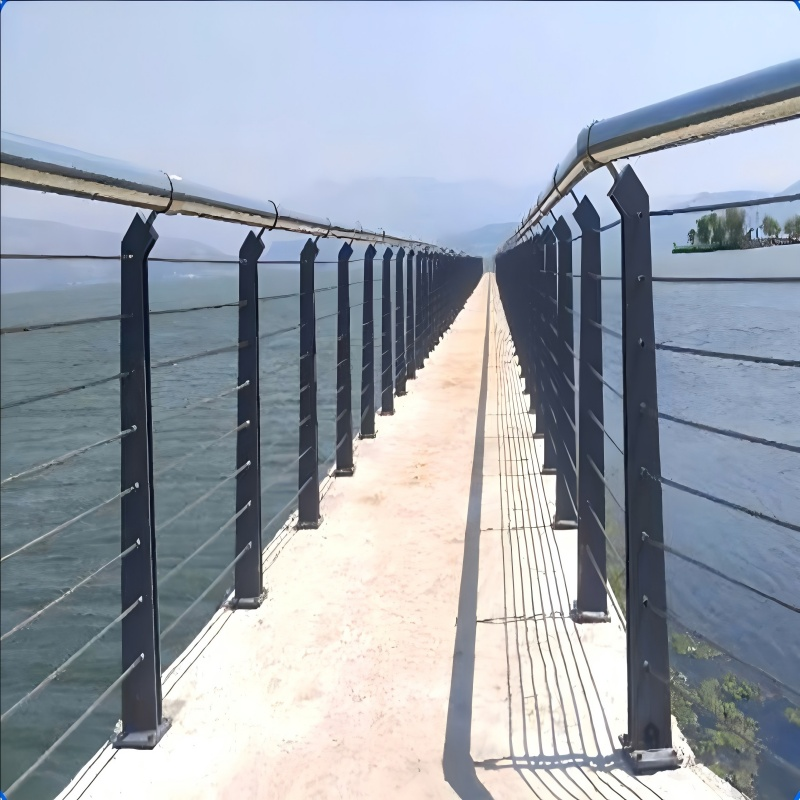
Why is Stainless Steel Cable Railing prone to scratches?
Understanding Surface Integrity for Cable Railing Systems
The corrosive resistance of stainless steel cable railings is due to a microscopic layer of chromium oxide located on the railings surface. This layer is about 1 to 5 nanometers thick. Once this protective coating gets scratched or is worn away, it creates hotspot weaknesses that can develop tiny cracks and propagate under stress. While it is true that stainless steel can sometimes “self-heal”, it can turn sharp V shaped scratches into more rounded U shaped grooves, but it is incapable of regenerating the oxide layer that is so critical for self-healing. Further insistence of a stress focused at the damaged areas causes real problems, especially at the fittings where there are stresses exceeding 350 psi. This creates an ugly, fast-deteriorating, and more important, under-performing railing.
Everyday cleaning tools can cause lasting damage to surfaces, and not many people are aware of this. For example, steel wool pads and even the fancy ultra-fine grade 000+ versions, leave iron deposits on the steel which can rust. Also, sponges created hazy surfaces, instead of clear, clean surfaces, by creating scratches that disrupt the way light reflects. Regular paper towels are made of stiff wood pulp fibers that are similar to sandpaper. This is especially noticeable at cable connections, where there is a build-up of pressure from wiping. Soft bristle brushes may look harmless, but they become problematic when used with strong, alkaline cleaners that have a pH of above 9, because they dissolve the protective chromium oxide coating. Cleaning damage can become permanent within six to twelve months of a normal cleaning routine, but most people are unable to notice it until it is too late.
Non-abrasive cleaning of cable railings
Before cleaning the surface, we need to figure out what type of build-up we’re dealing with. The most common issues we see are dirt, oxidation, and micro-scratches. You can look for the presence of dirt by doing a surface inspection with a good and strong lighting source that is directed from one side. Look for dirt that is loose as they are most likely to be in flakes or clusters of build-up. With regards to oxidation, it usually presents itself with reddish brown spots or a general cloudy look of a given area. Salt water oxidation is a common problem in most coastal environments. For micro-scratches, which are also known as micro abrasions, they are very tiny scratches that are normally in the range of 0.025mm to 0.025mm. You tilt your head to one side and watch for thin lines that are running in one specific direction.
Vertical cleaning with a damp microfibre cloth: removable streaks indicate surface dirt.
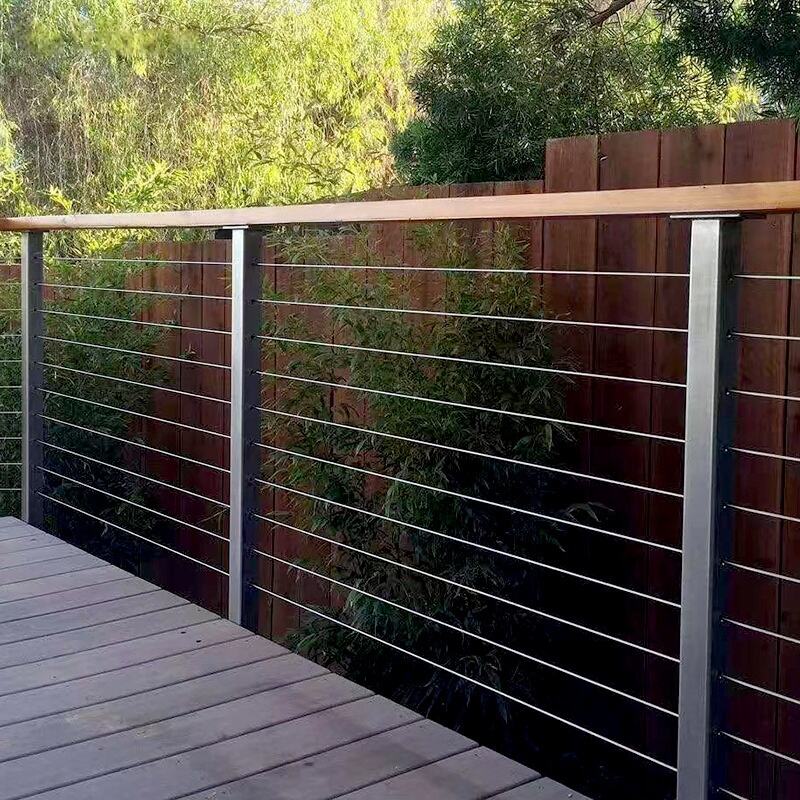
Gentle rubbing with white tissue: rust-orange transfer confirms
Parallel cable lighting: scratches by refraction
This is also to avoid unnecessary abrasive cleaning as well as the specific problematic issues. The more industrial an environment is, the more likely there will be airborne contaminants and therefore it is required to have quarterly evaluations.
Using pH Neutral Cleaners and Microfiber Technique to Maintain Cable Railings
Use neutral pH cleaners (6.5–7.5) that are made for stainless steel cable railing systems. Acidic and alkaline cleaners will expose the stainless steel to scratching and corrosion because they deteriorate the chromium oxide layer. Follow the steps below for maintenance:
=Mix 1 tsp of pH neutral detergent with 1 liter of water.
=Soak the 300 denier microfibre cloth that has 80/80 weave.
=Wipe in the grain direction of the cable, and use overlapping strokes to help with this.
=Rinse the cloth immediately with deionized water to prevent the build up of minerals on the cloth.
=Use another microfibre cloth to dry the cable before the water evaporates.
Microfibre cloths are split and made to lift contaminants via a capillary action, which means that microfibre cloths can cause compared to 100 cotton rags. In areas that are near the coast, monthly maintenance is needed to help avoid the build up of salt. Always try new cleaners on a section that can not be seen before use. If the cleaner changes the color of the surface in less than 10 minutes, it is not a compatible cleaner for that surface.Microfiber Cloths by Denier and Weave Density
Best microfiber cloths prevent micro scratches because of how their fibers are constructed. Allow me to explain denier quickly. Denier means the weight of the fiber over a given length. This is very important in relation to pressure applied to surfaces. Fibers in the range of 0.13 to 0.5 denier are good for gentle cleaning. They are so light they won't touch the surface. If we go up in denier number, the chances of scratching the surface being cleaned goes up. Weave density is important as well. Cloths that trap more than 200,000 fibers in a given square inch are good at holding dirt and other contaminants, and thereby preventing those contaminants from rubbing against a surface that is being cleaned.Feature Scratch-Safe Threshold Performance Benefit
Fiber Denier ≤ 0.5 denier Minimized friction pressure on metal surfaces
Weave Density ≥ 200,000 fibers/in² Captures contaminants without any surface contact
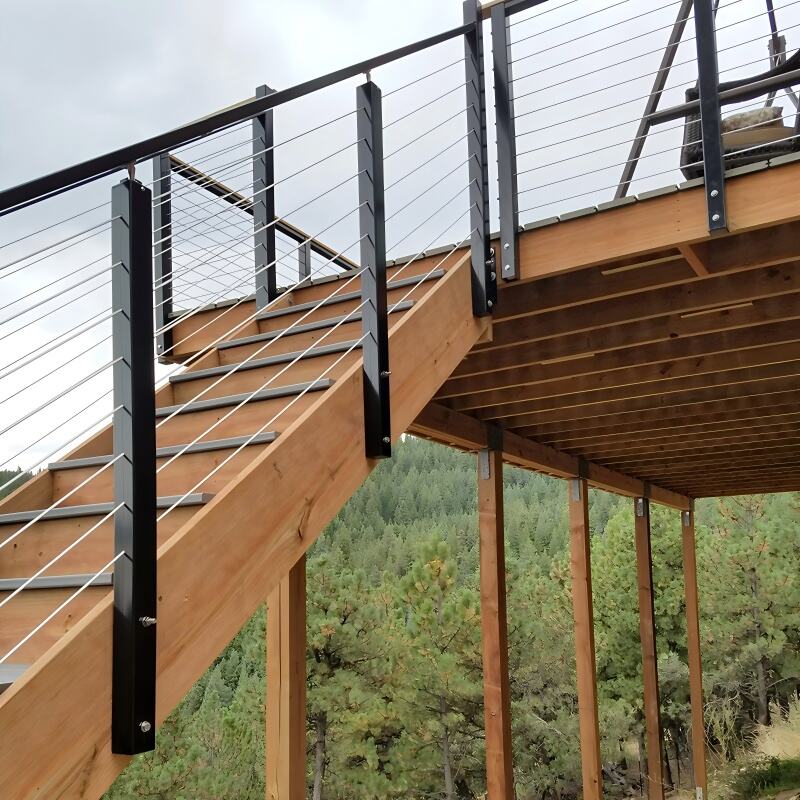
Microfiber with lower and higher denier vertically lifts dirt i.e. dirt is not laterally scraped. This is shown to reduce risk to scratches by 62% in surface protection studies. When it comes to cable railing, split-fiber construction is preferred. This is because it has tiny hooks that grab and hold dirt without releasing it. Also avoid polyester blends as these may cause micro-abrasions when cleaning the tensioned cables.Identifying Damaging Problems With Cleaning: When DIY Cleaning Should Stop.
Deep Issues: Structural Problems, Tension Loss, and Oxidation
Cleaning may boost appearance, but large problems may also occur under the surface. White rust spots, for example, indicate serious metal breakdown. When cables lose over 5% of their original tension, they are considered ‘loose’. Many people wonder why their fittings aren’t aligned, or why some sections appear to drop without reason. Most people don’t have the equipment to find small connection point cracks to determine if the nuts and bolts were stressed evenly. Most of these problems aren’t DIY, and attempting it could actually exasperate the problem. The process becomes unsafe because about 12,000 falls happen each year as a result of unsafe railings, as reported by the CDC.When corrosion happens deeper than what can be seen or when cable grip loosens, it's best to call in a professional. Either a specialized railing contractor, or a certified building inspector can handle this type of situation.
FAQ
Why are stainless steel cable railings susceptible to scratches?
The primary reason stainless steel cable railings are susceptible to scratches is due to the thin layer of chromium oxide that covers the surface. This layer protects the steel beneath it from corrosion. Once that layer is damaged, it can’t “heal” itself.
What cleaning tools should I avoid using on stainless steel cable railings?
Cleaning tools that can cause scratches or damage to the protective layer on stainless steel railings, including steel wool pads, abrasive sponges, ordinary paper towels, and strong alkaline cleaners, should be avoided.
How do I clean my stainless steel cable railing?
The best method of cleaning the railing is using a neutral pH cleaning solution and a microfiber cloth that is 300 denier. Once the cleaning is completed, it is advisable to rinse with deionized water and a different microfiber cleaning cloth to ensure the area is completely dry.
What indicators suggest that I need to have a professional review my cable railing?
It is time to reach out to a professional if there is cable tension loss of more than 5% as well as the presence of white rust spots, or structural problems like misaligned fittings or drooping areas of the railing.