
 EN
EN



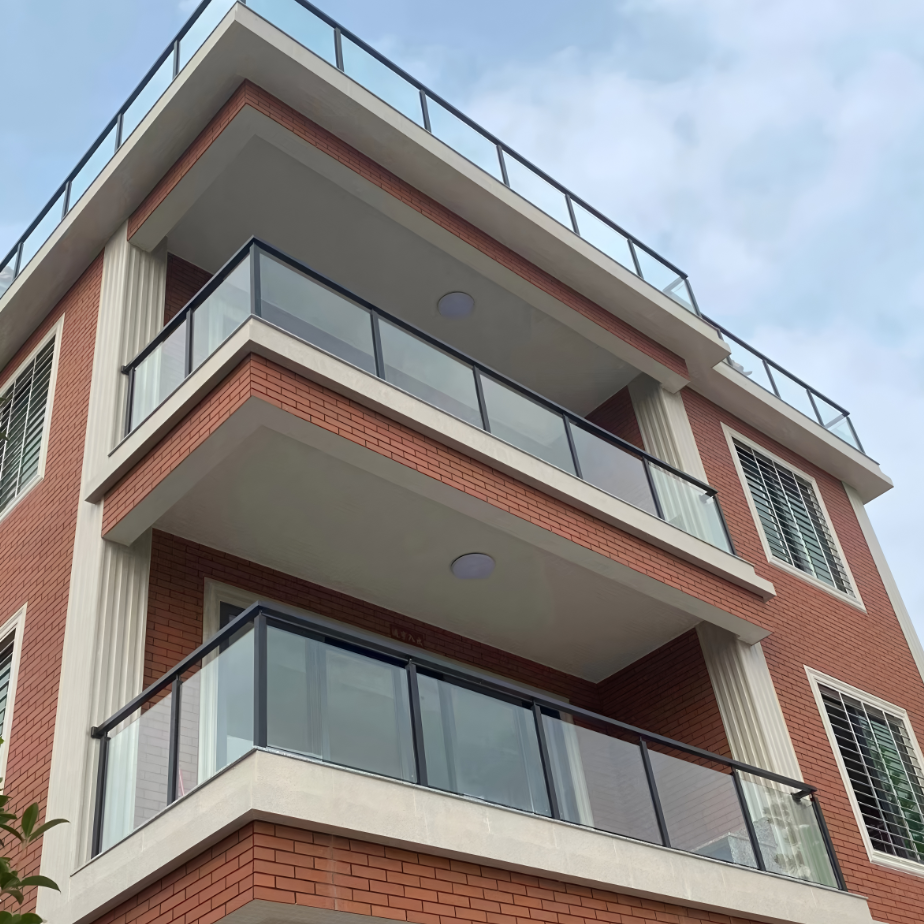
Height Specifications for Balcony Railings by Type of Occupancy
Residential Balcony Railings: 36 Inches Minimum, Under IRC for Single Family Dwellings
Section R312.1 of the International Residential Code states that single family house and duplex balcony railings must be a minimum of 36 inches high. Why is this the case? Because research has shown that people fall off of structures that are under 30 inches high. With a 36 inch railing, it is hypothesized that the railing will be effective because it is around the height of a standing adult’s hips and is psychologically less daunting than a really high open space. The Code also states that to prevent a child from getting stuck, balusters must be spaced no more than 4 inches apart. Approximately 20 states have adopted these rules, however, in California for example, it is more strict and building an elevated deck requires that railings be no less than 42 inches high.
Commercial & Multi-Family Balconies: Minimum Balconies Height 42-Inch IBC for Assembly and High Occupancy
International Building Code states that balcony railings for hotels and apartment complexes must be at least 42 inches. This is typically six inches higher than most home requirements. This is due to maintenance work being done and areas being exposed to public traffic. IBC has more requirements than just railing height, and the structure has to be able to withstand 200 lbs of force per foot of railing, and most railings require a mid-rail as well. Chicago has different, and more requirements, for example, the railings must be 48 inches on buildings that are greater than 100 feet tall.
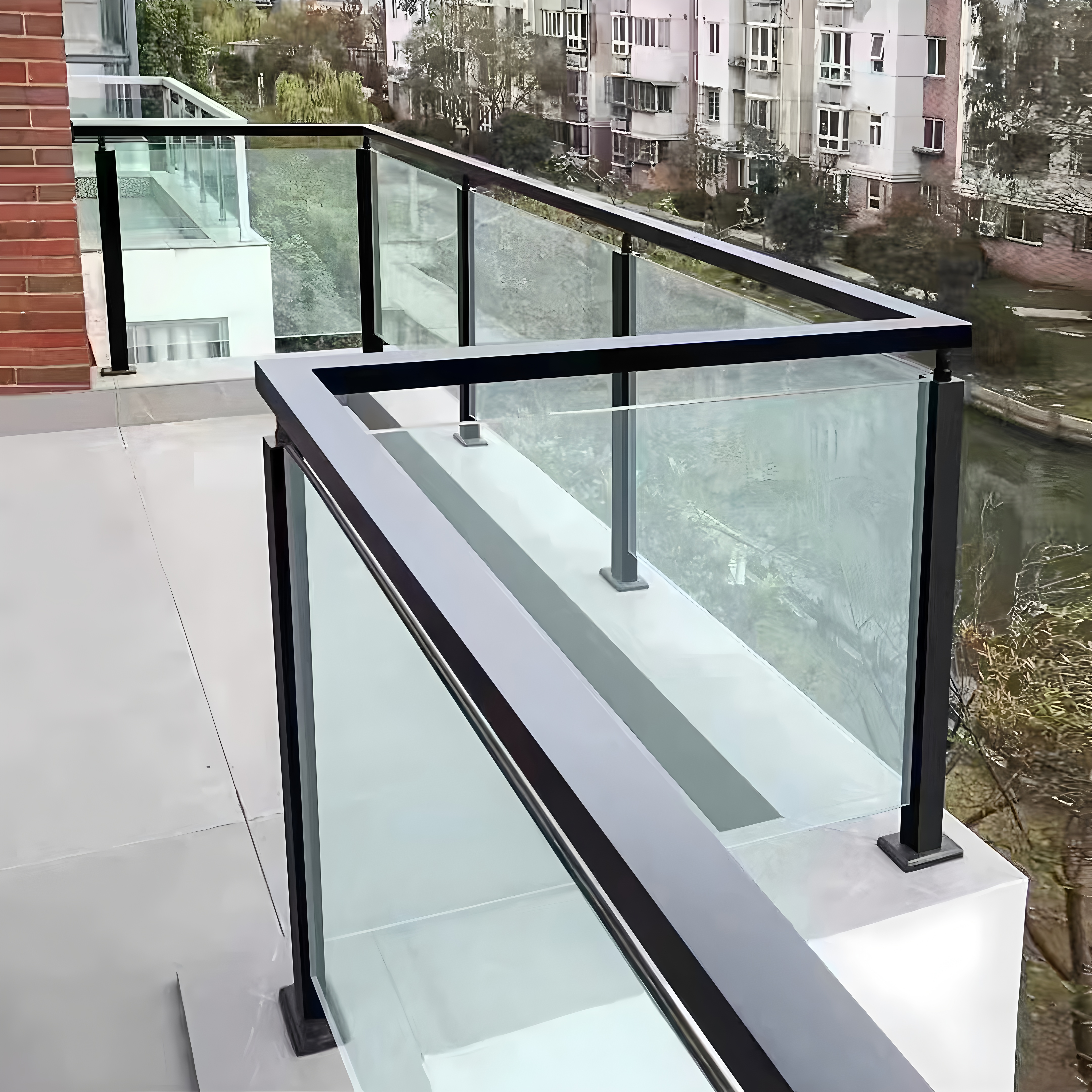
The Science Behind Balcony Railing Height Compliance.
The science of biomechanics defines the mid range of the human body as the gravity center or the center of balance. Safety risks associated with balconies are easy to see. This is particularly true with elderly adults. At the center of adult human balance is the belly button. It's shocking to hear that the CDC estimates over three million Americans are treated in emergency rooms each year for falls. A railing is an inadequate safety measure for someone who is balanced at or above a railing. Most adults can reach as far as 42 inches above the ground. Building Height Requirements are designed to provide a safe reach barrier for the average adult. This philosophy does not provide safety for balanced children. The construction code of 42 inches is a necessity in places where children are unsupervised.
Liability Spotlight: Real Cases Where Noncompliant Balcony Railing Height Led to OSHA Citations or Lawsuits
Disregarding safety standards can result in significant civil liability. In Colorado, there was an incident where an individual fell off a balcony where the railing was only 33 inches high, as opposed to the 36-inch minimum required by code. The property owner fell liable to pay the victim's medical bills that totaled about $150,000. In a more recent case, OSHA issued a $740,000 citation to a hotel in which a maintenance worker fell off a balcony with a railing that was 38 inches high, which is 6 inches lower than the 42-inch height specified in the code. Height restrictions in principle, have been upheld by both the courts and OSHA.
Understanding the Differences in Code: IRC vs IBC vs Local Amendments
Key Differences in Enforcement Triggers and Application Scope IRC R312.1 vs IBC 1015.2
Section R312.1 of the IRC sets a minimum railing height of 36 inches for single and double family homes only. For any other type of building such as multi family apartments and commercial buildings, Section 1015.2 of the IBC commands a minimum railing height of 42 inches. What’s the reason for this disparity? It all comes down to the potential risk for injury. The greater the number of people in a space, the greater the safety risks, and the more stringent the regulations need to be. Enforcement of compliance with the codes results in the building projects being subjected to inspections. Residential projects under IRC codes involve scant inspections and only the customary local building inspections. IBC regulated projects, however, are subjected to more in-depth and more numerous inspections, the provision of which results in the need for special engineering certifications adjacent to construction.
California Title 24 & NYC Amendments: When Local Law Adds Load Tests or Height Buffers Beyond Baseline Codes
California Title 24 and New York City Local Law 78 show how and why state and city governments put their own changes above standard building code changes. California’s Title 24 includes 200 lbs load-testing and requires additional seismic reinforcement on balcony railings due to the environmental risks that seismic reinforcement presents. Similarly increases height requirements for balcony railings to 42 inches, instead of the standard 36, for all new residential buildings because that presents additional environmental risks. Modular builders must always look to the lowest sets of requirements and must analyze and break down any pre-existing national building code framework before undertaking projects in those locations to ensure builds are compliant and to the fullest extent.
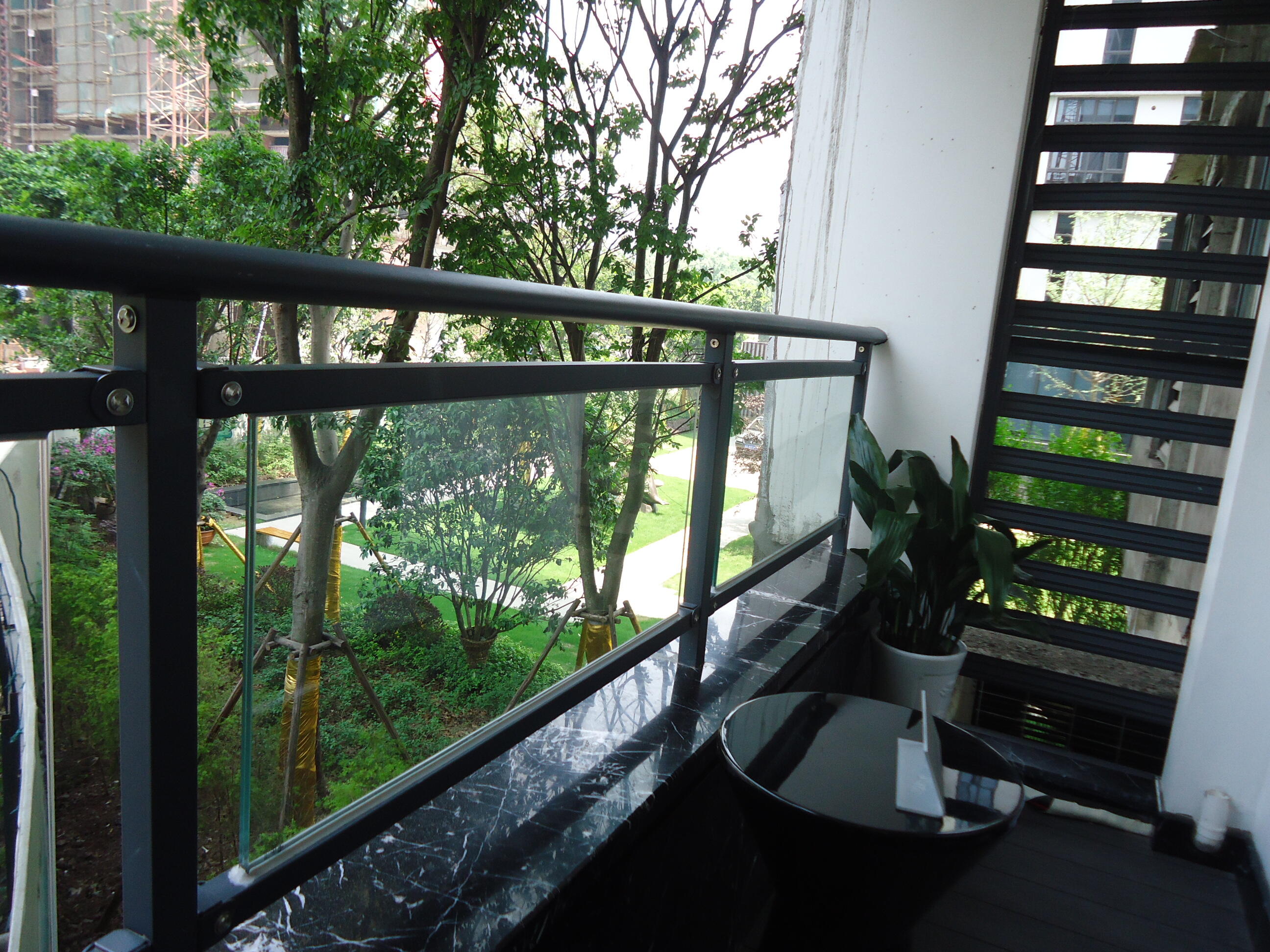
Practical Verification: Measuring and Recording Balcony Railing Height for Inspection
The measurements you take determine the possibility of safety and passing inspections. When performing vertical measurements, take from the finished floor level to the highest point of the highest continuous rail. In other words, do not measure middle rails, decorative tops, and fancy extrusions of the handrail. If you are working in a sloped area, use a plumb line to vertical measure all the way; do not attempt to measure in a straight line across the floor. It is best take pictures for your records while the measurements are in line with the rail (upper/lower) and (alongside) the structural elements, like the corner posts. As part of your records, describe the measurement location in relation to the fixed elements in the structure. For example, "12 inches east of that big west corner post" describes a fixed element. Inspectors will verify all records in relation to the building code. Each part of the record will need to stay onsite until an official approval for the job.
Frequently Asked Questions
What are the minimum height requirements for the balcony railings in a house?
The height requirement for balcony railings in a house according to the International Residential Code (IRC) is a minimum of 36 inches.
What changes for commercial or multi-family buildings?
With respect to railings, the International Building Code (IBC) states that commercial and multi-family buildings must have railings that are at least 42 inches tall.
Why are railing heights different for residential buildings than for commercial buildings?
The most important aspect of these requirements is risk assessment. Commercial buildings are generally more public-facing. Because of the greater potential for injury, the safety requirements are stricter.
What about specific local amendments?
There are local amendments that have additional requirements. California’s Title 24 and NYC’s Local Law 78 have increased height and load test requirements. Because of this, local regulations should always be checked.
Table of Contents
- Height Specifications for Balcony Railings by Type of Occupancy
- The Science Behind Balcony Railing Height Compliance.
- California Title 24 & NYC Amendments: When Local Law Adds Load Tests or Height Buffers Beyond Baseline Codes
- Practical Verification: Measuring and Recording Balcony Railing Height for Inspection
- Frequently Asked Questions