
 EN
EN


Municipal Restrictions and Their Variations Across Jurisdictions
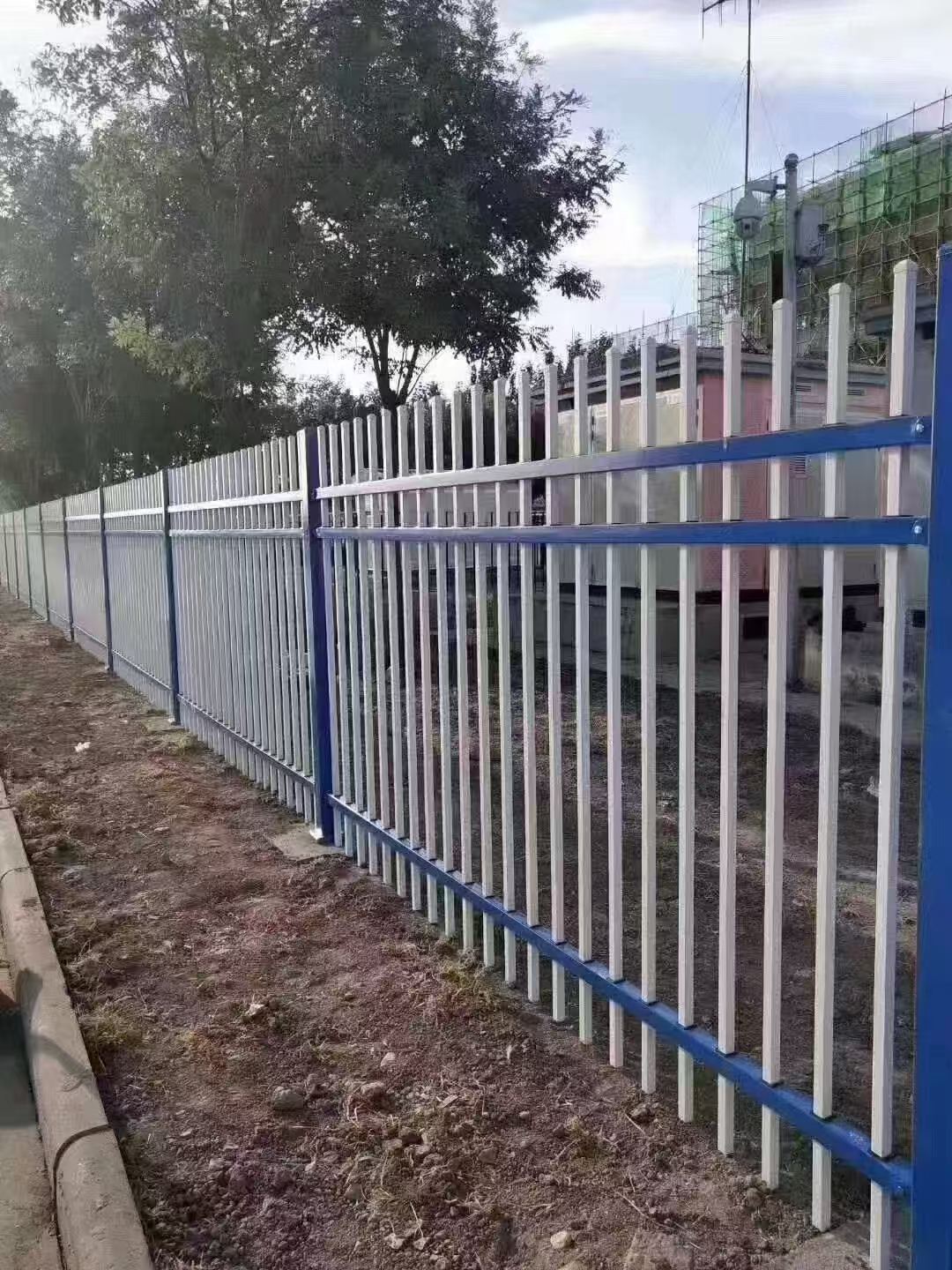
Most towns across the country have a high degree of uniformity when it comes to how high metal fences can be. For instance, a front yard fence usually cannot be more than four feet and fences in the back and side yards can be a maximum of six feet. Restrictions in fence heights are not arbitrary, and several are tied to safety. For example, in coastal areas, fences are recommended to be lower to allow for more airflow due to wind, and in several city plans, there are requirements for lower fences so that drivers can see clearly at intersections. Georga, Alpharetta has neighborhoods in which there are restrictions that allow residents to have eight foot high fences in the backyards of certain designated areas, but these are usually the exception to the norm unless there is a special business construction of some kind. There are several legal restrictions to fences, and homeowners are likely to receive large fines for fences that do not comply to the restrictions. In 2023, the Ponemon Institute found that the average fine is $740, and in addition to fines, authorities can require the entire fence to be removed.It is crucial that you study which laws apply in your area before you begin digging because laws determine what building materials are used, where the posts are placed, and how deep the posts are placed.
How Homeowners Associations and Setback Requirements Further Constrict Metal Fence Heights
Homeowners Associations (HOAs) can approve or reject your projects. They usually have more power than the state or municipality, because they can control the finish and height of the projects among other things. The prominent ones are:
Setbacks: Because of the area that the fence must be placed inside (5 to 15 feet of the property line), the height of the fence is reduced significantly as well in tight or sloped areas.
Consistency: To keep the neighborhood looking the same, a majority of HOAs keep the height of the fence to below what the area is zoned for.
Delays: If the committee decides to approve your project, they can make you wait even more than 60 days, and they can make you lower the height of the fence or redesign it.
If you defy an HOAs rules, you can get sued and the HOA may have to pay over $2,000 to remove the fence. Because of these rules, along with the regulations that come with the city or municipality and visibility rules, most homeowners are forced to build fences that are 1 to 2 feet shorter than what the area does allow, even if they have the capability to build more.
Trade-offs Between Function, Aesthetics, Security, and Privacy At Varying Heights of Metal Fencing
The 6 Foot Mark: A Functioning Ratio of Privacy, Compliance, and Aesthetics
When it comes to residential metal fencing, it tends to be a 6 foot standard for most jurisdictions. This is due to 3 reasons that offer a level of interdependence between them:
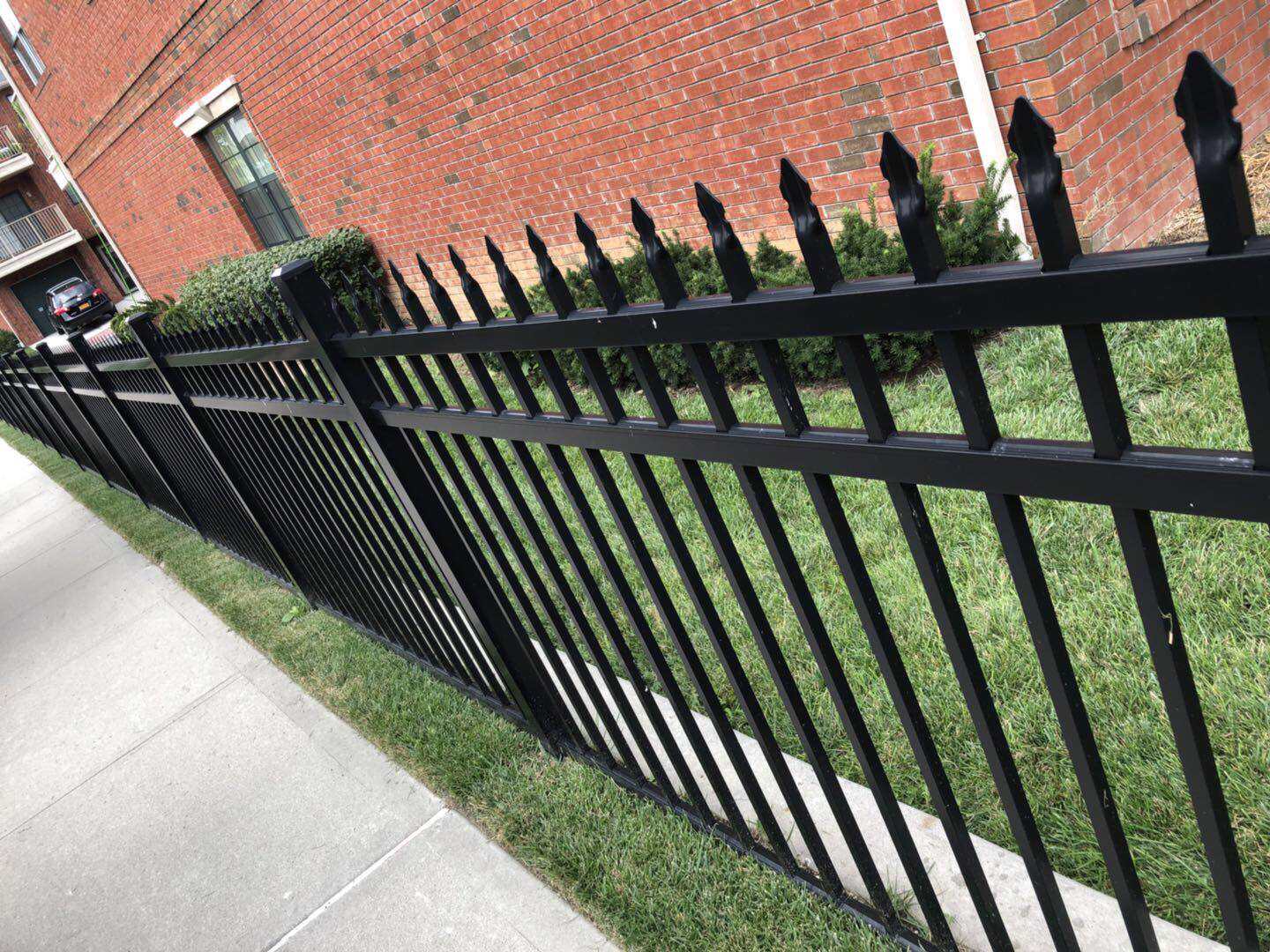
- Fencing of this height provides appropriate levels of privacy and pool protection in most backyard and pool scenarios and provides compliance with most jurisdictions that follow the International Swimming Pool and Spa Code.
- 6 foot residential metal fencing is also compliant, in most scenarios, to city municipal and/or Home Owner Association (HOA) statutes and height restrictions.
- Fencing of this height provides a good ratio of privacy in proportion to the height of the single story wall and/or architectural structure. There tends to be a height imbalance of 72% in the suburban landscape and residential fence guideline proportioning.
These key attributes highlight the compliance, utility and aesthetic reasons that make 6 foot residential metal fencing the industry standard and not a default.
Security Beyond 6 Feet: What Value do Taller Metal Fences Add & What New Vulnerabilities do They Bring?
The point in which higher metal fencing secures a perimeter is a complicated balancing act. 7-8 foot metal fencing can improve noise dampening and offer better protection against casual climbers. However, these fences come with serious implications:
Benefit -more protection against casual climbers
Drawback -more places for illicit behavior to be hidden.
For fences taller than 7 feet, contractors usually say to expect 30-40% increased cost due to required upgrades such as: frost line deep concrete footings and steel posts that withstand lateral pressures. Beyond 8 feet, other challenges arise such as local government regulations. The taller your fence, the larger the number of blind spots created where people cannot see the corner.
For average homes, and neighborhoods, most of the time, that added height does not give any real added sense of privacy or security, other than a six or seven foot tall privacy fence.
How Materials and Engineering Affect Fence Height
Limitations of Aluminum and Steel Fencing Height Based on Wind Load and Structural Stress
The choice of material also affects how tall a fence can be constructed. Steel can stretch, which means that it can hold fences around the 8 foot mark, as long as the footing is set deeper than the frost line and spaced 8 to 10 feet apart. Aluminum is a completely different ball game. Yes, it is less dense than steel and is resistant to rust. However, once an aluminum fence goes above 6 feet, the wind starts to become an issue. In locations that have frequent strong winds (70 mph and above), the aluminum installations will start to bend. In those conditions, the spacing of the fence posts is reduced to 6 feet, which requires additional support posts and reinforced anchoring to counter the loss of flex.
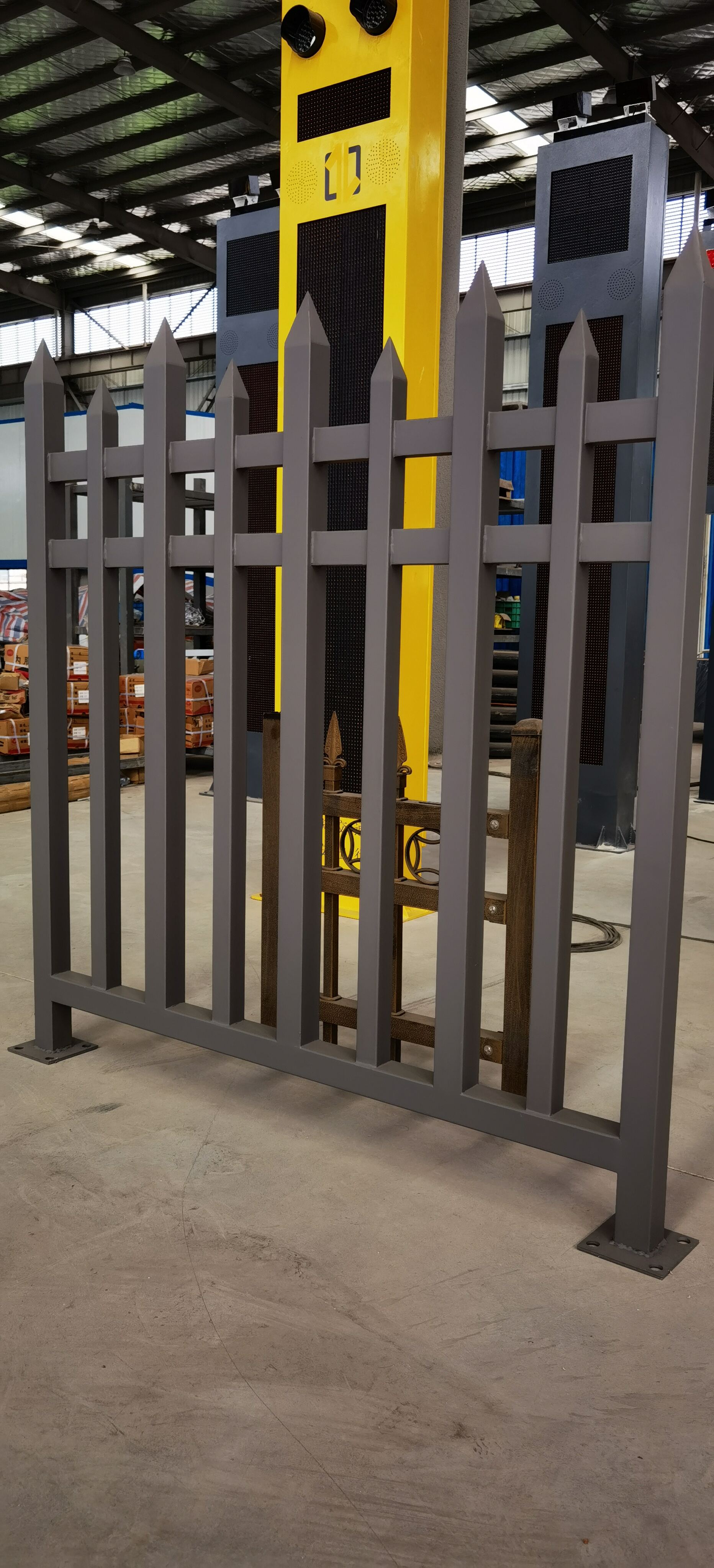
The amount of openness in designs for fences has a huge impact. Styles that are more open like spear tips or picket arrangements reduce wind pressure by around 30% to 40% compared to solid panels. Solid panels create a wall of wind causing the panels to perform poorly. Because of this, those designs can be built higher. Still, wind force from taller installations will always need to be considered. The taller these are, the greater the sideways force, so there will need to be deeper footings to compensate. When freeze and thaw cycles occur, not having enough footing depth can cause a multitude of problems including joint movement, crooked posts, and breakdowns, regardless of the materials used.
Data-Informed Decision Making: What U.S. Homeowners Actually Choose for Residential Metal Fence Height
Records show 92% of residential metal fencing installations in the U.S. are in the 4-6 ft. range. This has been corroborated by contractors across the nation as well as permitting data. This demonstrates a repeatable, data-backed trade off.
4 foot fences are more commonplace in front yards. This is due to the need for visibility, curb appeal, and municipal visibility requirements.
Backyards tend to have 6 foot fences. This is due to the need for privacy, pool compliance, and security and also because it doesn't require variances or engineering reviews.
On average, installations of greater than six feet are rare. This is primarily due to the fact that installations greater than six feet face a number of challenges, including approval processes that take longer, increases in material and labor costs by as much as 20 to 40 percent, and, generally, installations of taller fences are more susceptible to wind loading. The six foot standard has been around for so long in the fencing industry because it is, typically, the best standard in a balancing act of functionality, staying in compliance with regulations, durability, and cost effectiveness.
FAQ Section
What are the typical height limits for front and back yard metal fences?
Most front yard fences are limited to a height of four feet. Back yards, and sometimes side yards, typically are allowed up to six feet. This is in accordance with local safety and zoning regulations.
How do HOAs affect metal fence height regulations?
Homeowners Associations (HOAs) may implement fence height restrictions that are more stringent than the legal municipal regulations. This includes limiting the number of horizontal fence rails, requiring certain aesthetics, and requiring the fence to be approved in advance, also known as pre-approval.
What are the trade-offs of building metal fences taller than six feet?
Taller metal fences (7-8 feet) can provide a greater level of security, enhanced sound dampening, and greater visual obstruction. However, building taller fences can require an engineered wind brace system for structural support, may negatively affect visibility, and may be more costly due to the aforementioned support system. Additionally, maintenance may be more burdensome.
Why is aluminum not as good as steel for tall metal fences?
Aluminum does not rust, but is less stable than steel for wind pressure when fences reach 6 feet tall. When using aluminum, taller metal fences need more support posts, and fewer posts intervals.
Table of Contents
- Municipal Restrictions and Their Variations Across Jurisdictions
- How Homeowners Associations and Setback Requirements Further Constrict Metal Fence Heights
- The 6 Foot Mark: A Functioning Ratio of Privacy, Compliance, and Aesthetics
- How Materials and Engineering Affect Fence Height
- Data-Informed Decision Making: What U.S. Homeowners Actually Choose for Residential Metal Fence Height
- FAQ Section