
 EN
EN



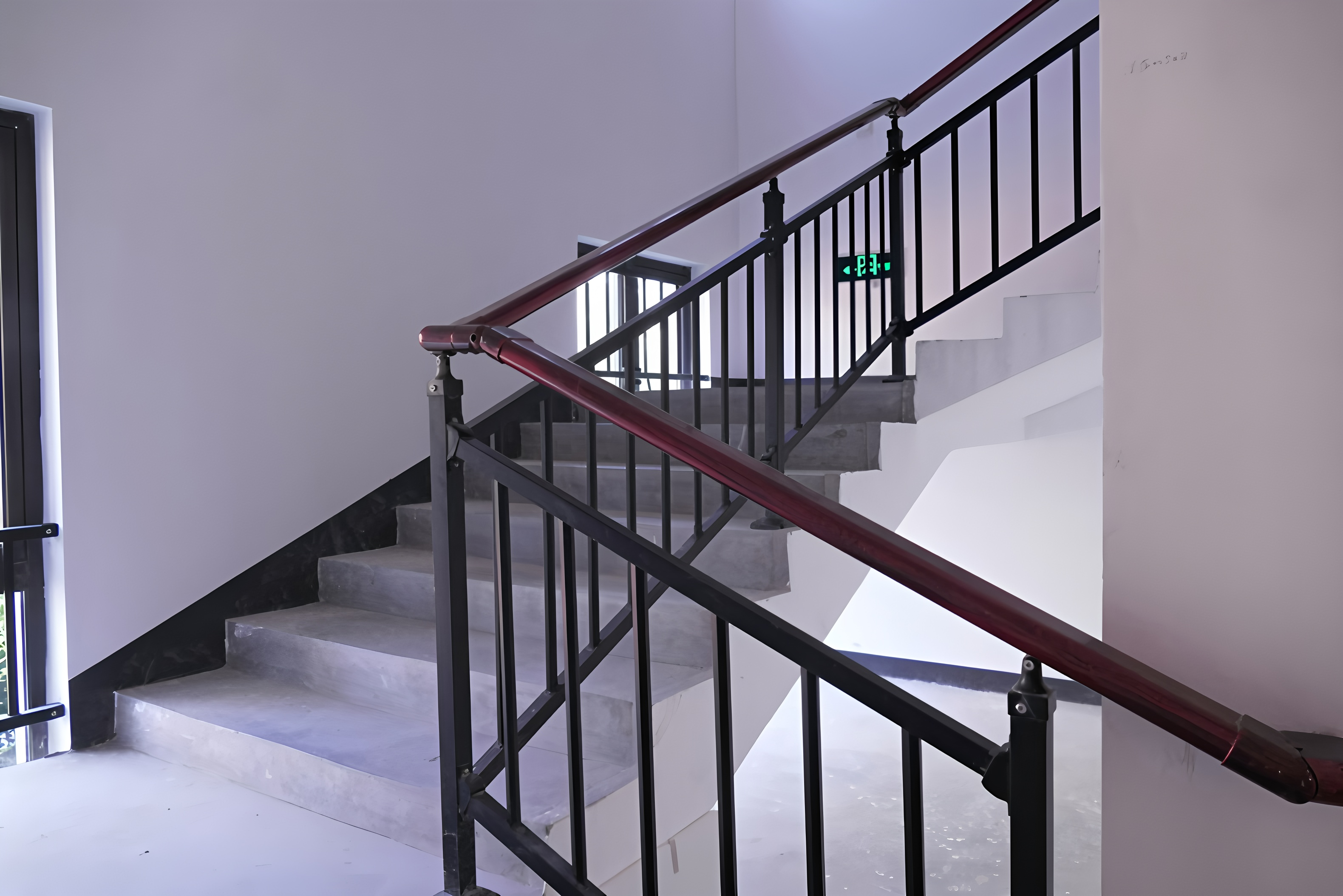
There are two main codes governing how high stair railings should be for buildings that have multiple floors; they are the IBC (International Building Code) and the IRC (International Residential Code). These two codes keep people from falling in both commercial and residential buildings, but their measurements have a huge difference. The IBC commercial builds have a guardrail that is 42 inches high from the edge of each stair. But for residential buildings, the IRC Section R311.7.8 states these stair guardrails must be between 34 and 38 inches high, in order to accommodate a balance grip. The ADA (Americans with Disabilities Act) and OSHA (Occupational Safety and Health Administration) have similar measurements, but with ADA it is for accessibility to the disabled. When it comes to workplaces and OSHA regulations, a lot more structure is put for stair railings, and the measurement for a guardrail goes back to 42 inches. And for good reason! These industrial work environments have heavy machinery, higher work from the ground heights, and hazardous materials that make falling much more dangerous.
How Stair Railing Height Is Measured: Reference Points and Tolerances
Railing height for staircases is measured from the very nosing (that is the front edge) of the stair treads to the top of the railing. The most common tools for measuring is a standard level or laser plumb line. When measuring height, there can only be a difference of half an inch or less from step to step to maintain the consistency of the measurements throughout the entire staircase. This measurement consistency is required throughout the entire staircase, including open riser designs which only have the nosing of the risers exposed. When it comes to large commercial projects, there are building codes that require someone external to the project to provide an oversight check prior to final approval. This is critical for places with a high volume of pedestrian traffic or unrestricted public access as measurement errors could have significant consequences.
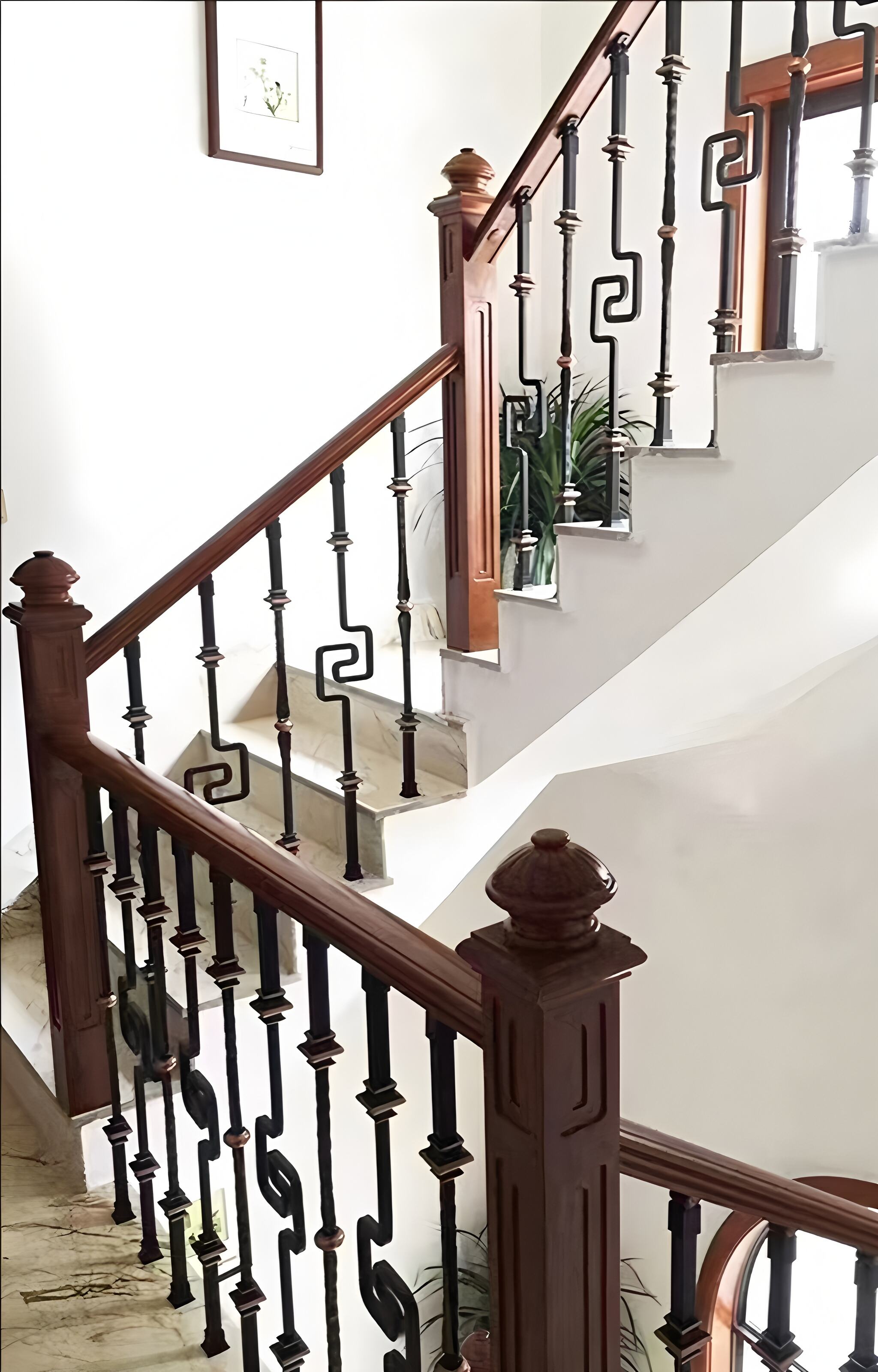
Height Differences for Stair Railings
Commercial, Residential and Industrial
In a home, stair railings must be 34-38 inches high per code, and help people of varying heights to grab them while ascending or descending stairs. This changes slightly for commercial buildings under IBC guidelines. They keep the same handrail height range but require that guards on open sides of stairs be 42 inches. This is for safety concerns, as the amount of people in that space is greater, and the chance for falling is increased. Industrial facilities typically exceed the minimum code requirements. This is why you will see 42 inch reinforced railings around elevated work platforms or areas where workers may be exposed to the dangerous. The national building code can be modified by local building codes. This is seen in California where Title 24 has more rigorous standards around building codes and the protection from falling. The same can also be said for the state of Florida, where building codes require impacting resistant materials about the height of the railings due to the threat of hurricanes. There is a clear rationale behind all of this. Each of these codes is the result of careful examination and analysis of the environments and their associated risks.
Exterior Stairs, Fire Escapes, and ADA-Compliant Routes
Regarding standard exterior stairs, most have between 34 to 38 inch height range for handrails. However, designers often customize this based on their local context. For example, buildings in colder climates construct frost resistant footings, and some put up temporary snow stakes to adjust for heavy snow. Fire escapes have even more stringent requirements when it comes to safety. She must have no and continuous, handrails that are interrupted, and no special gripping areas, textured surfaces, or extended rail returns at the ends. Furthermore, handrails must all fall within the same 34 to 38 inch range vertically. ADA regulation compliance means accessibility standards are taken even further. In addition to the requirements above, all handrails must have ends that are rounded, and the diameter of the rail must be 1.25 to 2 inches so it can be grasped. Movement, ones, vision, and functional, the, hand challenges, are all easily heightened so details help prepare for all those situations. Also, you are federally mandated to meet those standards since it is part of the Civil Rights law.
Risks and Real-World Impacts of Noncompliant Stair Railing Height
Risks and Real-World Impacts of Non-Compliant Stair Railing Height Stair railings that are not up to code can lead to legal and financial issues that are not worth the risk. People are continuously falling over and injuring themselves on railings that are poorly made. Each year, the CDC reports that nearly 3 million senior adults are seen in emergency rooms due to railing-related injuries. In addition, children are more vulnerable to railing injuries. Small children can easily slip through spaces in the railing, which would be inadequate protection for adults. If people are injured as a result of inadequate stairs, the property owner may be liable and sued in court over it. This happened last year in 2022 in Colorado when a judge awarded $150k to one plaintiff because a landlord failed to fix the issue of a tenant being injured by a railing that was too short. On top of that, OSHA takes it a step further when it comes to businesses and does not play around. For each and every violation, they will fine businesses $15,000 if the railings are not above 42 inches. Another real consequence is the direct financial cost. If the old railings are not corrected to code, the cost to repair the old railings will be two to four times more expensive than if the railings had been built to code the first time.
Insurance entities will typically reject a damage claim if the property owner is found to have knowledge of code violations.
Guidelines for Maintaining Safety and Compliance of Stair Railings.
Collaboration Between Design, Installation, and Assessment
Adequate preparation is essential and sets the stage for all future success. The architectural designs must include detailed instructions regarding the altitudes of railings in compliance with code stipulations. Per the IRC, IBC, and ADA, handrails must be between 34 and 38 inches, while IBC and OSHA stipulate that guardrails must be at least 42 inches. These heights are taken from the actual nosing point of the stairs. A check for uniformity should be part of the basic installation of these systems. Several points using a laser level will be in the line of sight. However, these should be adjusted to prevent over.correction from the rest of the slope, uneven zone, and possibly an altitudinal correction. Inspecting is final approval; however there is still an inspection in the early stages of construction. This inspection is to identify placement of anchors, selection of materials, and adequacy of dimensions in relation to other faces, before these are closed in and the finishes applied. A review of OSHA reports indicates that nearly 50 percent of all railings that require extensive reshaping can be attributed to lack of communication and information regarding the designed, and constructed, state of the installation.Tools for Proactive Verification and Mistakes to Avoid
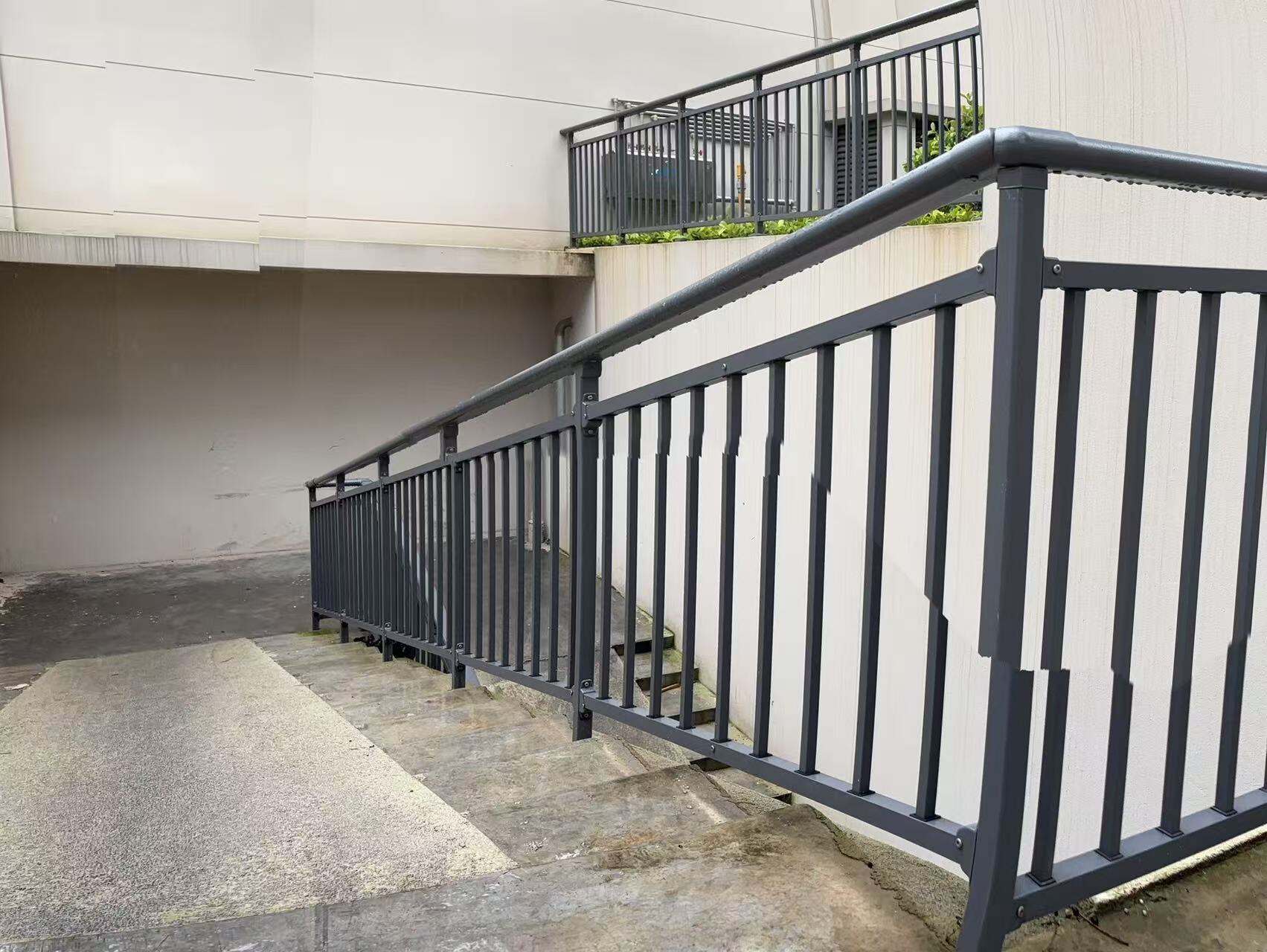
Implement a three-step verification process:
Pre-installation: Review and check against local amendments to plans—especially ADA state supplements and seismic or coastal overlays—using a reputable digital code library.
On-site: For high visibility or high liability areas, use calibrated gauge blocks to measure and confirm height tolerances of ±0.25 inches, which is more restrictive than general IBC tolerances.
Post-completion: Test and confirm that lateral deflections meet the IBC Section 1015.3 requirements for dynamic loading and structural deflection under a 200 lb. load to ensure compliance.
Another source of measuring mistakes is starting from the wrong point on stairs. Many people measure from the edge of the treads instead of the nosing. As for outdoor work, it is common not to consider the expansion and contraction of materials according to the weather. Additionally, there are the sections of circular handrails, which should not exceed the diameter of 1.25 to 2 inches, so that the grip is comfortable. The National Safety Council reports that there are, on average, more than 12,000 injuries due to stairs in the United States. This emphasizes the need for a thorough inspection, at every stage of construction, for those who are serious about the right architectural designs that create safe zones.
FAQ
What is the height requirement for stair railings in commercial buildings?
In commercial buildings, the height of stair railings is governed by the International Building Code (IBC) which states that the height of guardrails must be at least 42 inches when measured vertically from the top of the step.
How is the height of stair railings measured?
When measuring stair rail height, the measurement is taken vertically from the most forward part of the step called the nosing, to the top of the railing. Every railing height of a flight of stairs must be within half an inch of each other.
What can happen when the height of stair railings is not compliant?
The height of stair railings can affect the safety of others, cause lawsuits, and fines. Lawsuits can happen to property owners and businesses can receive fines from OSHA for non-compliance. Also, fixing railing that were put up incorrectly is usually more expensive than putting them up correctly in the first place.
What can be done to ensure stair railings height is compliant?
Utilizing the coordinated design, installation, and inspection to cover the IBC, IRC, and ADA compliance, and creating a verification step to cover the gaps to cause the most issues in measurements principle.