
 EN
EN


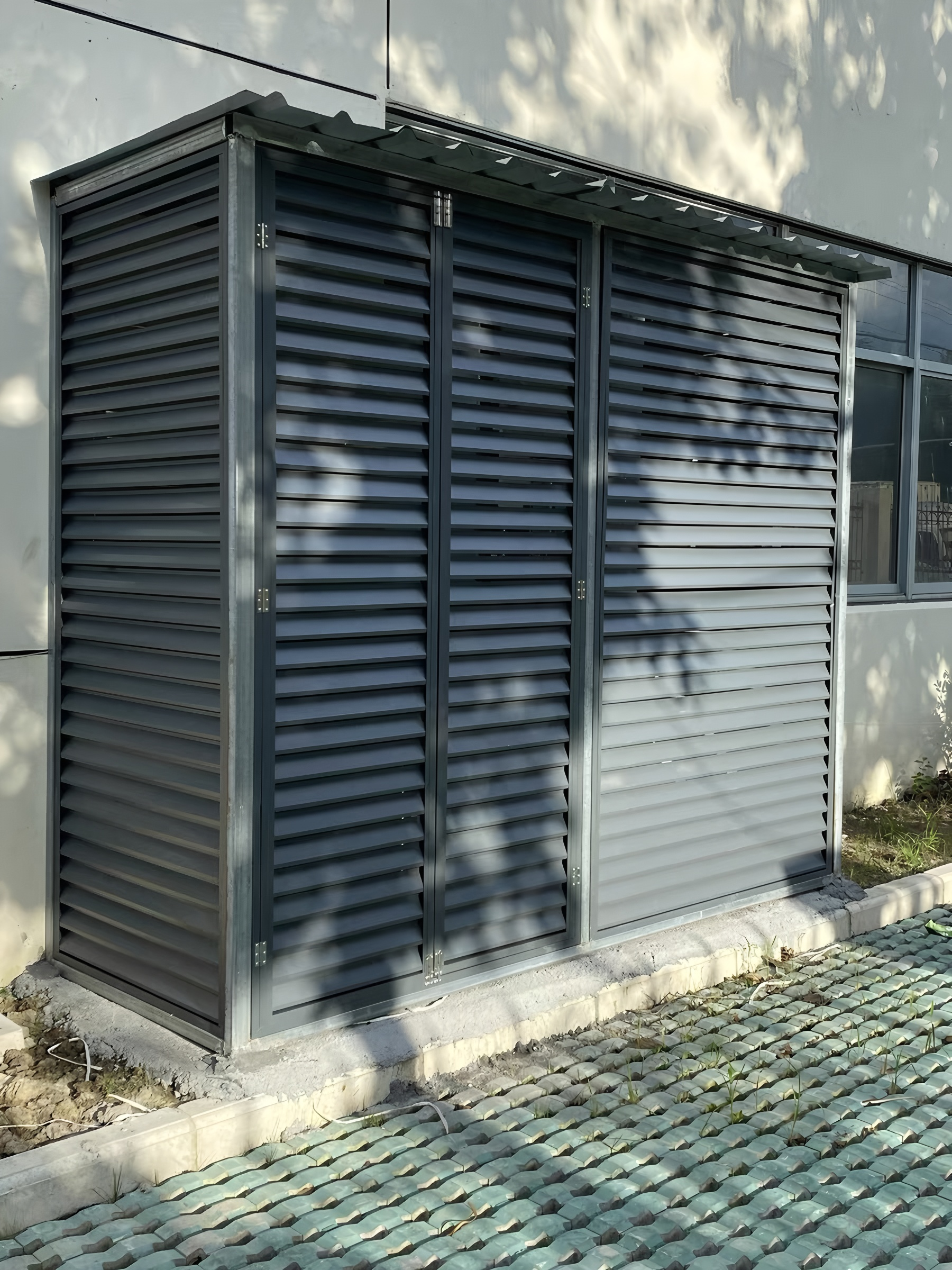
The new design trends in modern commercial spaces prioritize open and uncluttered lines. As a result, the interest in cable railing systems has increased. Cable railings, particularly stainless steel cables, are less than half an inch in diameter. They won’t obstruct views from balconies, stairs, or big open atrium spaces in hotels and office buildings. Having unobstructed views from below to above the atrium improves the perception of the space, and enhances the experience of the users. The railings are made of 316 stainless steel, marine grade, making them resistant to rain, the sun, and cleaning agents used extensively. With cable railings systems, businesses avoid the constant upkeep needed with traditional materials, such as wooden and wrought iron railings, which requires regular painting and are subject to seasonal rust. Therefore, cable railings over time, are a more economical choice for building owners.
Cable railings have a more positive impact from a design standpoint compared to conventional railings. This is likely due to how versatile, and adaptable they are. They work particularly well in conjunction with tempered glass, structural hardwoods, and many other premium materials. Because of this, architects get a more freedom, and flexible means of design, while remaining compliant to building codes. Additionally, this system includes internal tensioning devices that keep the cables spaced evenly, with a maximum of 4 inches apart. This is the standard set by the IBC for modern rail systems, and keeps the unobstructed view that people want.
Key benefits include
- Improved visibility for both the landscape and security
- 20 years of virtually maintenance free service
- Premium look with minimal effort by design
- Superior transparency and modern look to compliment other materials to create an open space
- Greater safety by code without the loss of aesthetic.
Cable railings creatively solve the contradiction often seen in commercial design. The combination of minimalist sophistication, and a designer’s thorough attention to, and restraint in, the structural elements present in a space, promote the use of cable railings.
Key Design Considerations for Cable Railing Systems
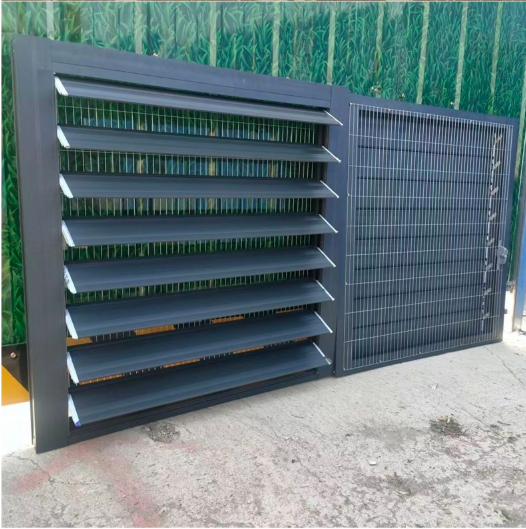
Material Selection: Stainless Steel vs. Aluminum
Both materials are selected in design for their ability to withstand tensile stress. Dynamics in corrosion resistance become the determining factor for restraint. Stainless Steel is certainly the standard material for construction as it is more durable over time and will withstand instances of corrosion occurring in environments of elevated salinity and varying humidity or chemical exposure. Steel specifically designed for maritime applications (316) will support greater tensile stresses over time without significant wear. Aluminum is inherently more corrosion resistant than steel making it more economically attractive but is ultimately more expensive in applications where maintenance is exacerbated. For example, coatings on aluminum rail systems will need to be reapplied more frequently in active environments resulting in diminished economic benefits. Therefore, stainless steel is the more economically beneficial material in the long run as it does not require the same ongoing maintenance. For significant applications, such as a rooftop garden or atrium, stainless steel will be the best long-term choice.
Requirements for Spacing, Tension, and Visual Transparency
Guardrails must obey the IBC code and not allow a 4 inch sphere to pass through them, which essentially defines how cabling must be installed. In most instances, the spacing for cable centers is a maximum of 3 inches. There is also a required starting tension for cables of 150 to 200 pounds that is adjusted by special turnbuckle fittings. Lastly, the posts are to be installed at 4 to 6 feet apart, center to center (post spacing). This affects the rigidity and evenness of tension distribution across the entire system. While visually obstructive 3/16 inch cables are cables that also provide the best performance, as thinner cables (1/8 inch) are more prone to snapping. If materials are to maintain their structural integrity, cable tension must be adjusted and checked consistently (every 6 months) at minimum. This is in part due to the natural phenomena of temperature changes and the movement they cause.
Best Practices for Cable Railing Installation Step by Step
Best practices provide guidance for accurate, safe, and code compliant installations, supporting long lasting railings. These practices are based on field experience in high-end commercial construction.
Assessment and Anchoring of the Mounting Surface
Evaluating the end conditions of the mounting surface (whether it is concrete, steel, or wood) is the first step. In the case of concrete, the surface must have a minimum compressive strength of 3,000 PSI to ensure long-term hold. In wood deck applications, the supporting beams must be reinforced to withstand lateral forces. We recommend the use of laser levels to incrementally set and mark positions of the anchors to ensure 1/8” or better top to bottom consistency. Corrosion resistant anchor sleeves are to be installed before the anchors. For concrete, use epoxy-set anchors, while timber installations utilize through bolts. A study from last year determining failure of cable railings attributed 42% of issues to inadequate anchoring. This number identifies the severity of these issues and emphasizes the safety impact of anchoring.
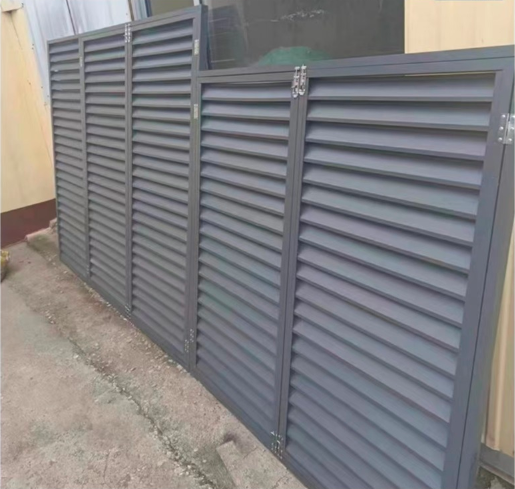
Cable Threading and Torque Calibration
Begin by running the cables through the middle posts with swage sleeves. Make sure that each cable is spaced at least 3” from each other. Keep the calibrated turnbuckles at 0.0 when measuring tension during tightening. Then, tension each cable individually so that the tension is evenly spread across the entire cable system. It is recommended to aim for tension of 1200 to 1500 pounds of pull on each cable. When there is excess tension, the posts can bend and the cables will be worn out. When there is not enough tension, the cables will sag, which can be breaking building codes in regards to clearance. Make sure to cross-reference the final numbers for the torques to the manufacturer guidelines, which is usually between 25 to 35 foot pounds, and check again with a torque wrench that is in good condition. Once everything has been installed, apply a force of approximately 50 pounds sideways to the structure and observe the torques. If you observe that any portion of the structure has displaced more than 1 ½ inches, then you will need to adjust the tension again.
Critical Tensioning Metrics Acceptable Range
Cable Deflection (50-lb load) ≤1.5 inches
Torque Wrench Setting 25–35 ft-lbs
Re-tensioning Frequency Bi-annually
Compliance with IBC and Local Code Regulations for Cable Railing
Post-Span Compliance and Load Testing
Commercial cable railings are required by the International Building Code (IBC) and local laws to endure 200 pounds of pressure concentrated in a single point, or 50 pounds for every linear foot, whether the force is applied horizontally or vertically. Most people in the business are still using the outdated 4-inch sphere test as the industry standard to measure the gap. However, for railings positioned between 36 inches and 42 inches, there are some exceptions to the rule for gaps that are less than 4 and 1/8 inches. How post gaps are spaced is also crucial. When posts are spaced farther apart, the weakened pole increases the likelihood of a gap and increases the installation tension span, as well as the pole anchor points. Local building codes for wind or earthquake-prone areas also dictate that additional anchor point verifications or post reinforcement are required. Because of all these requirements, early communication with local building code officials is recommended to avoid complications in the future.
Common Inspection Pitfalls and How to Avoid Them
Most inspection failures are due to cable sag and lack of appropriate gap dimensions. Other failures are due to missed specifics of a jurisdiction, and in most cases, because the inspector did not notice them. The California code amendment, for example, requires a minimum of 42 inches of guardrail. Each of these issues can result from a combination of insufficient cable tension maintenance and missed jurisdiction-specific code compliance. To address these issues, inspectors can:
1. Perform sphere tests after and during installation.
2. Identify and document how applicable amendments to IBC Chapter 10 affect your design.
3. Keep rope tension status and results documented at least every six months.
4. Keep a complete, organized load-testing report history for jurisdictional building inspectors.
5. Use jurisdictional building department review to inform design after the permit is issued, to avoid redundant and expensive efforts to accommodate building and safety design laws.
Frequently Asked Questions
What are the benefits of cable railing systems in today’s commercial buildings?
Cable railing systems provide excellent safety and protection for the user. The thin stainless steel cables provide protection while maintaining uninterrupted views to increase the overall feeling of space. This is especially valuable for commercial buildings with large open atriums and for stair and balcony applications.
Why is stainless steel preferred to aluminum in cable railing systems?
Stainless steel such as marine grade 316 stainless is completely rust resistant and can survive extreme environments such as saltwater and harsh chemicals. Aluminum requires more maintenance and coatings over time. Stainless steel may be more expensive, but is the more sustainable option over time.
What are the benefits of cable railings in terms of the safety and aesthetics?
Cable railings enhance the value of a property as they offer a unique design and allow for uninterrupted views. They also integrate well with other design elements and materials. They can also be adjusted to incorporate various safety features and meet regulations with ongoing tensioning.
What are some of the common setbacks that can be expected during the installation of cable railings?
Some of the more common issues are poor anchor systems, sagging wires because of poor tensioning practices and lack of awareness for local building regulations. These issues are generally as a result of a lack of maintenance and poor installation.