
 EN
EN


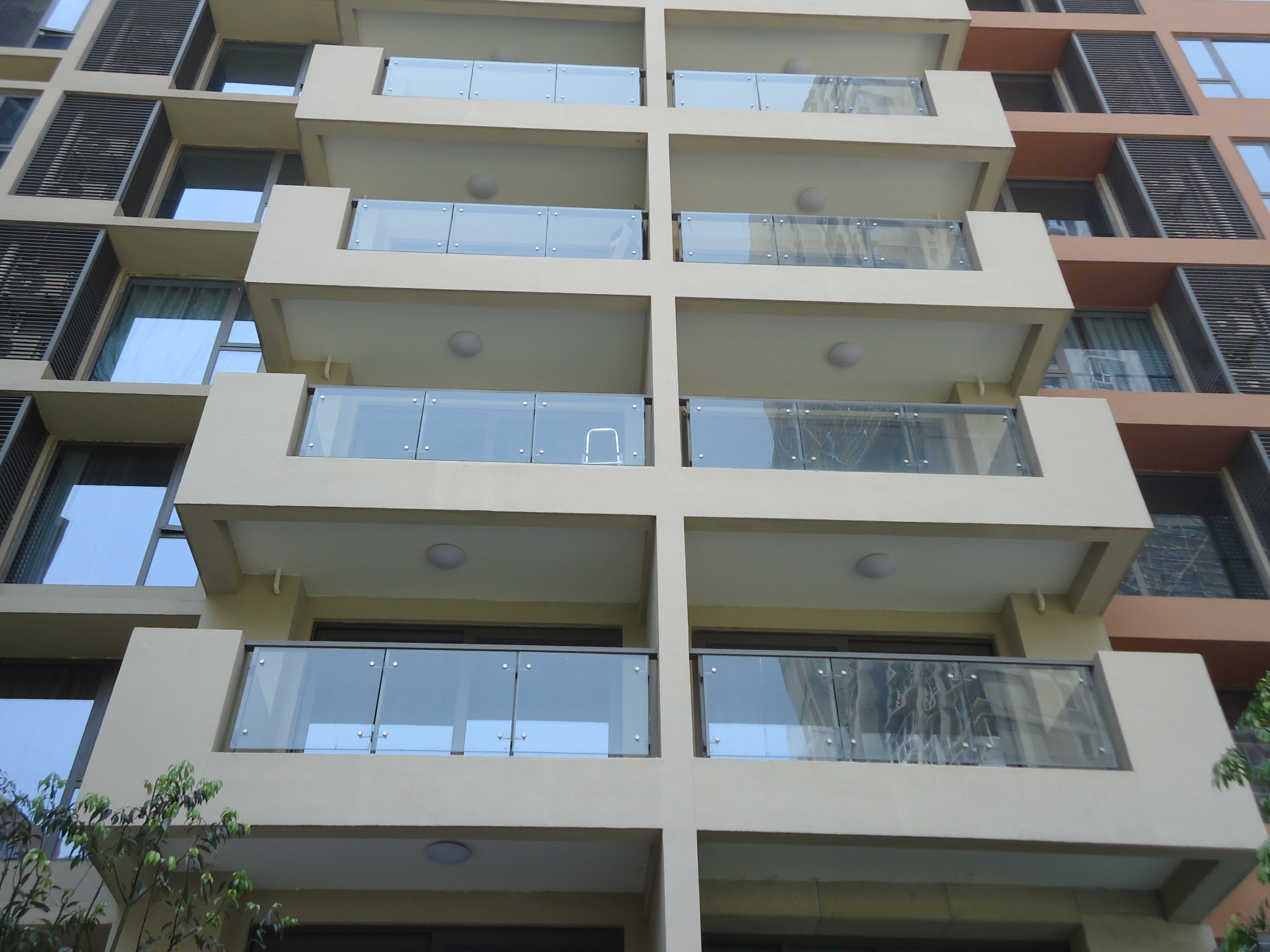
Aluminum glass railings provide an advantage that no other material can provide. Aluminum offers an incredible strength to weight ratio. It is less dense than steel at about 2/3 the weight and it can hold up under serious load. Balconies and external building structures can use aluminum as opposed to other materials which could pose weight problems. Aluminum corrosion is unlike other materials. Aluminum forms an oxide layer when it is exposed to air and like magic, the layer can repair itself and no corrosion is present. Factory environments or locations near saltwater corrosion can be no problem for aluminum. Wood gets damaged when exposed to water and becomes warped. Aluminum railings can be problem free for over 30 years. In addition to aluminum's favorable properties, it can also be formed to provide those nice small frames that allow for an unobstructed view and keep people from falling over the railing.
Aluminum and powder finish
How does aluminum powder coating enhance performance and durability in different climates? Because aluminum is inherently strong, the powder coating process enhances durability even more. First, the aluminum is spray coated and then cured. This process creates an even coating that can repel damage from scratching and can minimize wearing. At the microscopic level of the heat cured coating, it actually integrates with the metal surface, adding protection from the chemical damage of the sun, and everyday, and harsh abrasion. There are weather aging test laboratories that have shown the powder coating as it can maintain its color and surface luster for over fifteen years in harsh real-world conditions. This type of coating is essential for manufacturers as it protects the coated materials from specific challenges that are common in the different environments that materials are used for.
For example, the coating protects
Salt spray in coastal environments
Freeze-thaw cycling in northern climates
Humidity-induced degradation in tropical climates
Due to the more than 200 available powder coating RAL color choices, powder coating can achieve color coordination with better performance than traditional liquid paints. In the temperature range of -40°F to +300°F, and with simple maintenance such as periodic washing with a light detergent, the appearance is maintained, and performance is optimized.
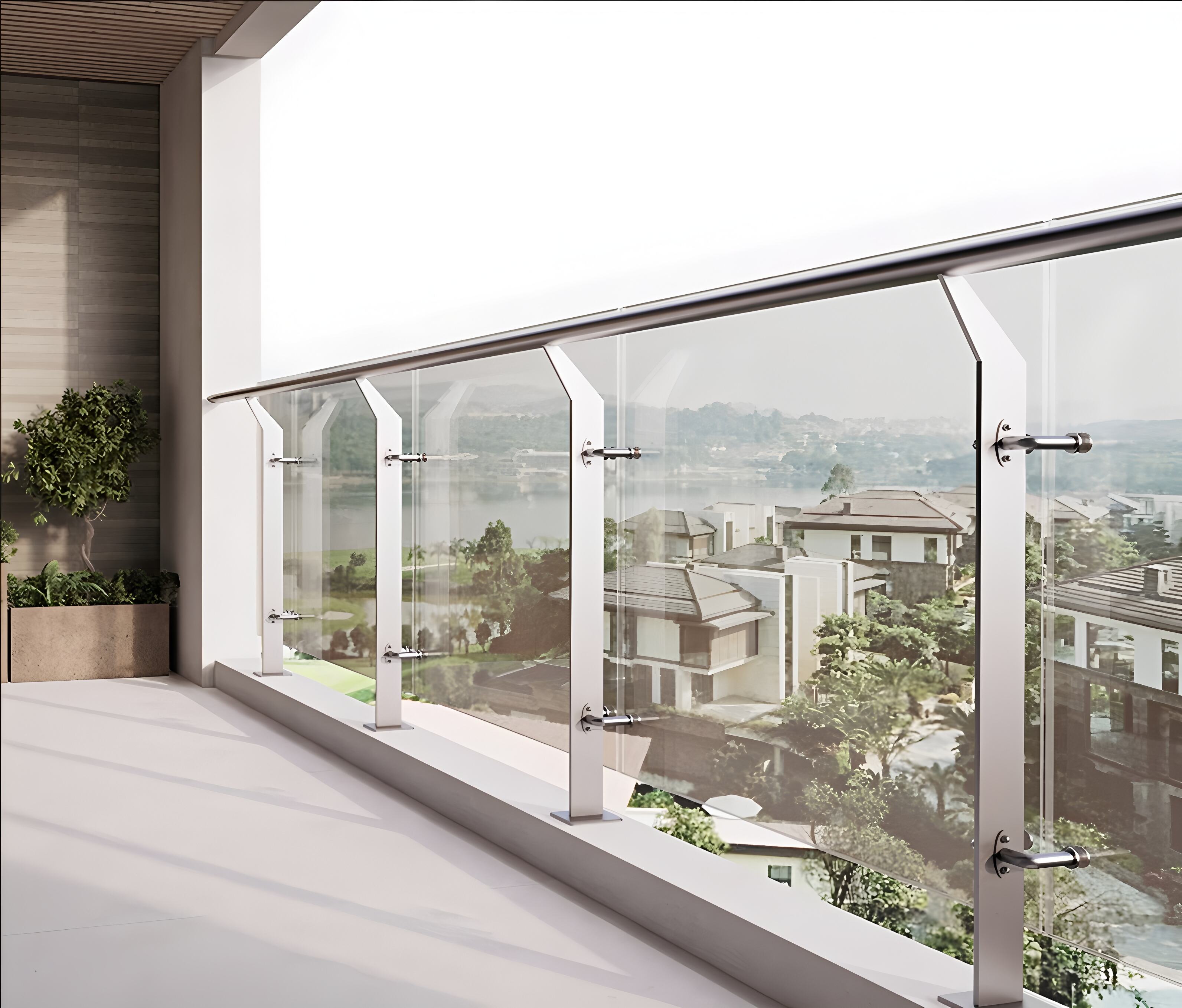
Stainless Steel Frames: Reliable Strength for Challenging Glass Railing Situations
Timber number one for structural integrity + marine considered corrosion resistant
Stainless steel offers excellent strength for supporting heavy glass panels and sliding glass doors, and for supporting glass panels and sliding glass doors in tough environments such as marine applications. The marine grade 316 type stainless steel, which contains increased levels of molybdenum for enhanced corrosion resistance, particularly with regard to pitting or crevice corrosion, is highly resistant to corrosion, compared to other metals, with continuous seawater exposure. As a result, builders of homes on the seashore, pool builders, and salt-water industrial corrosion resistant stainless steel for long-term durable construction. While stainless steel and aluminum develop a thin protective coating on their surfaces as a result of exposure to atmospheric oxidation, stainless steel is more efficient in the self-repairing process after being scratched. Stainless steel is very durable and is capable of withstanding corrosion from a cleaning environment and thermal cycling.
Thermal conductivity, cost trade-offs, and specification best practices
Less thermal conductivity means less heating transfer overall with less annoying expansion and contraction stresses with stainless steel. While the price of stainless steel may start at 20-40% more than aluminum, we must look at the overall picture. In extreme weather conditions, stainless steel railings can last over 50 years with almost zero maintenance. That kind of life makes the upfront costs worth it.
Use 304 stainless steel for interior and general exterior applications; use 316 for coastal and marine as well as chemically exposed environments
Choose brushed and satin finishes to hide everyday surface scratches and wear from use
Ensure frame thickness is at least 1.5mm and the alloy is compliant with the 2021 IBC for the intended structural loads.
As replacement access becomes more costly and difficult, prioritizing longevity over upfront savings is essential.
This approach optimally balances the performance and the project’s risk and the anticipated costs for owning it over the long term.
Framed vs. Frameless Glass Railing: How Metal Frame Selection Defines System Performance and Aesthetics
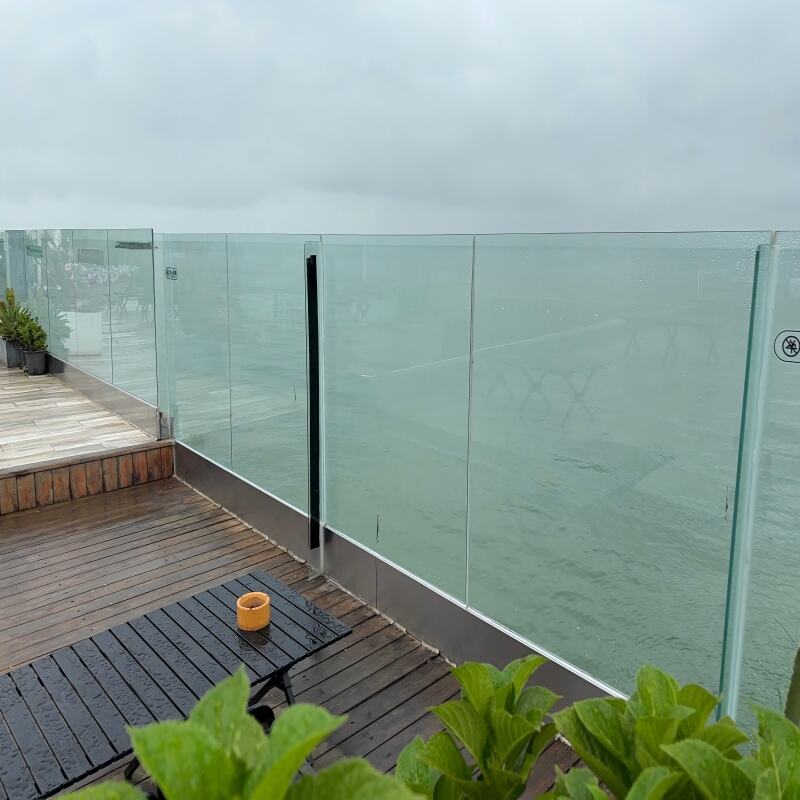
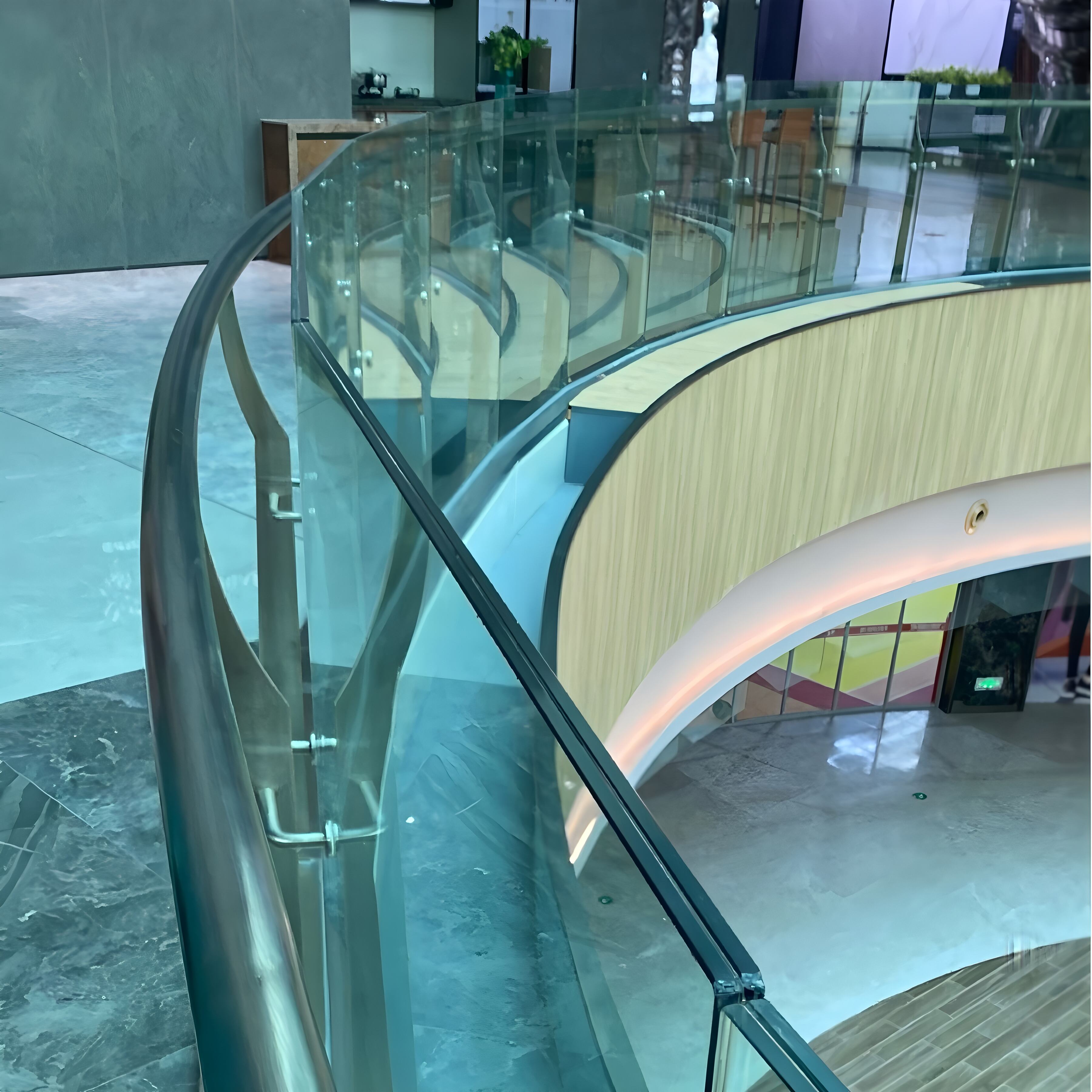
When it comes to choosing between framed and frameless glass railings, the architect has to weigh the pros and cons of each option in terms of structural behavior and visual appearance. In most framed systems, metal channel framing, typically aluminum and stainless steel, is located along the edges of each glass panel. These channels aid in load distribution, resist wind loads, and help to comply with building code regulations (particularly IBC 2021, Section 1607.7). Aluminum is a great option for most projects because of its structural lightweight properties and lack of corrosion. However, stainless steel is a more robust material and is commonly used in design constructions that are in more extreme weather conditions (i.e. coastal buildings in salt air). On the other hand, the frameless design eliminates the metal framing and uses only a few small clamps, standoffs, or sometimes a top rail to secure the tempered glass. This design is primarily for unobstructed views that are so desirable in luxury homes and beachfront properties. The drawback, however, is that frameless designs require thicker glass panels (typically 12 mm or 1/2 in.) and additional engineering of the attachment points, which is usually a failure in the safety factor evaluations for frameless systems.
When designing spaces, Architects have to balance the need for visibility with the need for safety. Framed railings are appropriate where people need to be contained, where the railings need to withstand impacts, or where the building code requires additional layers of safety. Frameless railings are most appropriate in low traffic areas where aesthetics matter more than safety. Ultimately, the decision to keep the metal visible or to conceal it will be the deciding factor in how functional the installation is as a barrier compared to how much it will contribute to the overall design.
Compliance with Laws, Context of the Projects, and Materials of the Railing Frames
Residential beauty vs. commercial spans (IBC 2021 Section 1607.7)
When glass railings are installed in homes, the main area of concern are the appearances and the aesthetics of the glass railings along with the rest of the interior spaces. People want railings with slim profiles and custom finishes, and with the ability to integrate fully into the architecture. But with commercial projects, the story shifts. These projects are subject to onerous revisions due to the building codes in IBC 2021 Section 1607.7. If put simply, these projects are subject to serious weight testing. Specifically, a point load of 200 pounds in some areas of the rail, and a line load of 50 pounds across the rail. These standards mean that commercial glass railings are needed to posses about 3 times the strength that is needed for residential railings. To achieve that, most contractors will use fully tempered (heat treated), and sometimes, 1/2 inch glass as opposed to the 3/8 inch glass. The glass frames are created in a manner that the connections are reinforced, the deflection of the glass is minimised, and the glass is limited in terms of how much it can bend (deflected under load).
While powder coated aluminum works fine for most residential applications and smaller commercial spaces, when working with high traffic areas like hotel lobbies, rooftop bars, or apartment building balconies, nothing beats stainless steel. It lasts longer and can handle tough code requirements.
Local construction regulations, wind load calculations, glass railing hold down standards
It is important to know how to calculate wind load when using the ASCE 7-22 standards on windy areas, coastal buildings, and high-rise buildings. In these areas, the anchoring systems must withstand wind gusts of 130 miles per hour. When placing the bolts for the anchors, the bolts should be embedded into the building's actual structural components, not just superficial layers. A good rule of thumb is that the bolts should penetrate the structural material to a depth of 4 times the thickness of the bolt. Spacing also depends on engineer calculations of the numerous relevant parameters. For concrete decks, we use epoxy anchors for pull-out capacities of 2500 lbs or more. Wood decks require different anchors, usually through bolts with special backing plates that distribute the load across the material. In general, local building codes are more demanding or restrictive than basic IBC requirements. For example, in California, Title 24 requires that the railings be able to withstand an earthquake, so they need additional support. In Florida, building codes require that guardrails be able to withstand a load of 225 lbs per linear foot. Finally, testing is an important consideration.
Inspection from third-parties is commonly accepted procedure. For businesses such as construction, service, and industry, the ASTM E488 guidelines are regulated. For example, construction businesses must perform pull tests on 25% of anchors that are put into positions of risks repeatedly, and stress tests that measure likelihood of everything staying connected to the anchors under endure stress tests.
FAQs
Why are aluminum frames for glass railings preferred?
Compared to other materials, aluminum is preferred as it offers the optimum combination of strength and weight. Additionally, aluminum naturally resists corrosion, making it suitable for use on building exteriors and balconies.
What advantages do powder-coated finishes provide for aluminum frames?
Aluminum frames that are powder-coated gain the advantages of resistance to scratching, protection from the sun, and retention of color and luster for more than 15 years.
What advantages does stainless steel provide for glass railing systems?
Stainless steel provides superior structural strength and corrosion resistance, enabling it to withstand harsh industrial and coastal environments.
What are the differences between frameless railing systems and framed systems?
Compared to framed systems, frameless glass railing systems use thicker glass and special technology for the mounting point.
What factors are considered when choosing metal framing for building code compliance?
Factors such as applicable building codes, residential or commercial load requirements, wind load, and anchors are considered when ensuring the metal framing is safe and durable.