
 EN
EN


IRC and IBC Regulations for Cable Railing
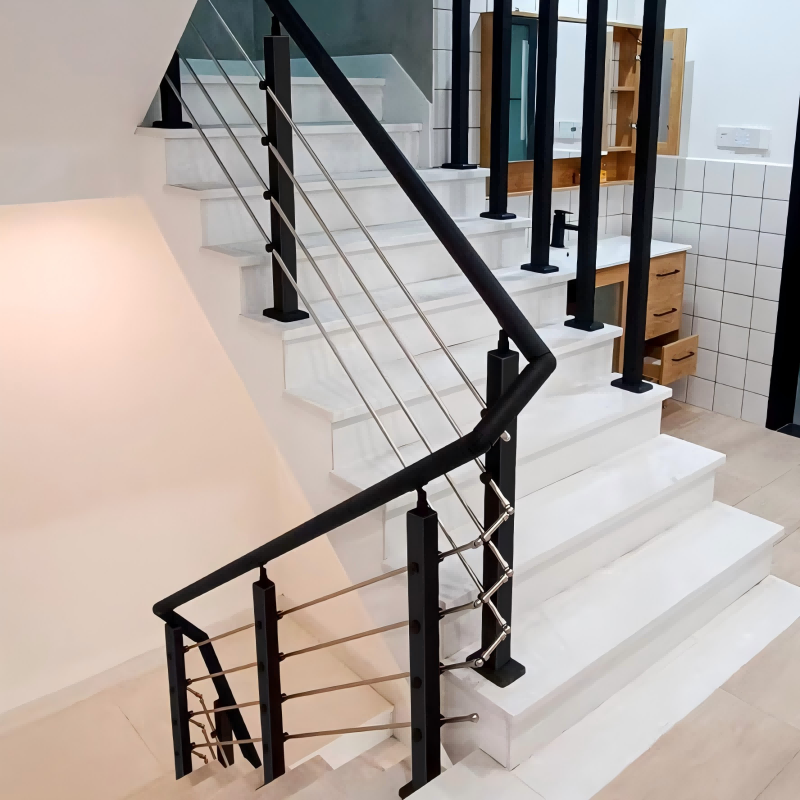
Section §R312.1.3 of the International Residential Code (IRC) requires all guardrails withstand a concentrated load of 200 pounds. This is designed to mimic the load of an adult who has fallen. The International Building Code (IBC) §1607.7.1 provides two options for the design of a commercial application guardrail. It can be the same concentrated load of 200 pounds as IRC §R312.1.3, or a linear load of 50 pounds distributed across the top rail. The difference between the two tests is that the concentrated load tests the localized load bearing capacity of the system, while the linear load is designed to mimic a sustained load due to crowd pressure in high traffic areas. For multi-family/dwellings, mixed use, or bi-cultural codes, cable railings must comply with both the linear and concentrated load provisions. However, for residential buildings, the standard is a concentrated load of 200 pounds.
Understanding the Limitation of the 50-pound Concentrated Load for Cable Strength
One of the most commonly misunderstood provisions in IBC §1607.7.1.1 is the 50-pound concentrated load for infill. This applies to solid or semi-rigid materials or panels, in the form of tempered glass, metal, or composite slats. For cable infill systems, the deflection standard applies as the operative standard. According to the code, cable systems must be designed to withstand a horizontal load of 50 pounds applied to a one (1) square foot area, with deflection measured against the standard of the sphere not to exceed 4 inches. When a cable system is complied at the code required tension of 200-300 pounds, the cable systems are designed to deflection within the 4 inches, and are not deflected within the 4 inches, and are not deflected within the 4 inches, and are not deflected within the 4 inches. This is not a negative functionality of the system. It performs as a fully integrated, fully engaged system of tettered, tensioned, and post-locked components. deflection is not the operative design criteria being set for cable systems, while cable systems are the isolating strength criteria for safety.
Cable Tension, Deflection, and Performance
Prevailing Deflection Standards
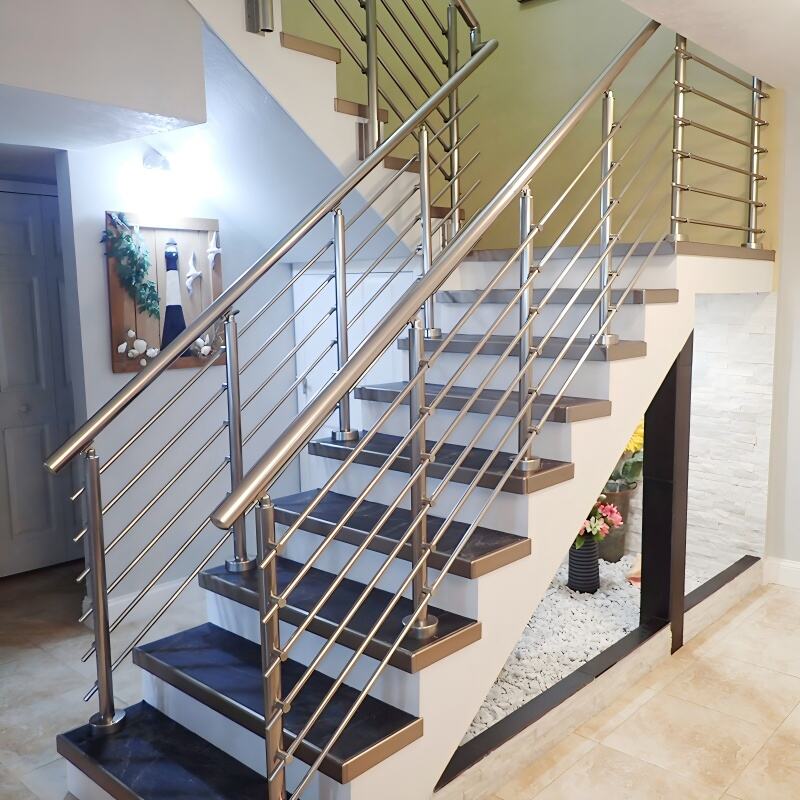
Tension levels between 200 and 300 lbs are necessary to minimize lateral deflection. Sagging cables at sub-200 lbs tension exceed the 4-inch sphere limit. Testing shows the tension change of cables from 150 up to 300 lbs produces a 42% reduction in deflection, giving the cables the ability to deflect and distribute loads. Tensioning cables to the threshold integrates the cables more effectively into the structure.
Deflection Under 200-lb Linear Load Requirements
Post tensioning cables to the 200-300 lb range directly satisfies the 200-lb-per-linear-foot load requirement in the IRC and IBC. Systems with well tensioned cables at 200 lbs have a maximum deflection of only 3 inches in any beam segment providing serviceability well within the 4-inch limit. The increased deflection threshold provides the posts and X-frames to effectively absorb and redirect the loads at the infill frames.
Structural Components: Posts, Anchors, and Organizational Frame Rigidity
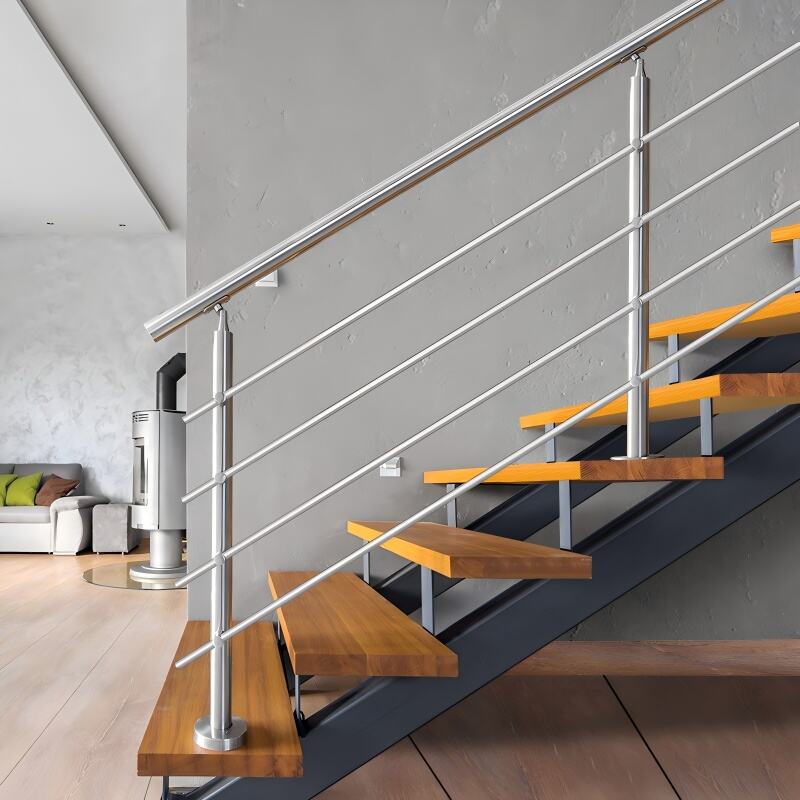
Because of the understanding of the structural framework of the building, the role and function of the cables as primary structural elements are understood per the design. As supports of the framework, vertical posts and anchor hardware, as well as the rigid connections between them, carry all live and impact loads. Posts act as the vertical load transfer elements of the framework, receiving vertical and horizontal loads through the anchors to the structure of the building. Beam to post connections create moment-resisting frames which resist rotational and lateral movements. For spans between 4 and 6 feet, structural practice requires a use of 14-gauge steel or structural grade aluminum, as smaller sized members result in stress concentration and subsequent failure. For anchors to meet the requirements of structural design, they must be tied to the main structural framing, as opposed to the finish veneer framing, which is accomplished through the use of through-bolted or welded plates and sleeve systems. With the inclusion of bracing in the corners, diagonal stiffeners and continuous load paths, the frame achieves the desired rigidity and will function as one integrated structural assembly.
Beyond Model Codes: Local Adjustments & Safety-Focused Load Parameters for Cable Railing
High-Wind, Seismic, or Public-Use Jurisdictions: When Local Codes Set New Standards
While the IRC and IBC establish fundamental safety levels, many areas set more demanding standards based on local risks. Many coastal areas, especially those at risk of hurricane season, have cable railings tested to resist concentrat loads of 300-400 lbs. Seismic Areas may require at least cable tensions of 350 lbs to avoid amplifying resonance. Public placement areas (stadiums, transit centers, or University Campuses/Campuses) usually require cable railings to want to resist at least 500 lbs. to 1,500 lbs. to account for the considerable loads of the emergent pedestrian mass in the area. Examples of these are Miami-Dade County after Hurricane Andrew: Many areasres reviewed after Hurricane Andrew's codes raised railing resistances by more than 40% after large areas of passive railings and infills and anchorage failed in a review. Since 78% of jurisdictions in the U.S. have adopted codes that call for amendments, especially those emphasizing safety concerning vital and important infrastructure, designers have to make sure that the local jurisdictions and requirements codes vary; model codes are good, but not good in a way they spell out everything designers have to know. Therefore, the out-of-order answering of jurisdiction codes must also accompany model codes.
FAQs
What is the main safety provision concerning cable railings in residential codes?
With regard to residential changes, the primary safety requirement is the 200-lb. Problem of IRC §R312.1.3.
Do cable infill systems face different loading constraints than solid panels?
They do. Cable systems are treated with a deflection standard, and infill systems face a horizontal load of 50 lbs; this is not the case for solid or solid panels.
What is proper cable tension?
Each cable should be tensioned to 200 to 300 lbs. This range balances deflection control and load requirements. Correct tensioning ensures the safety and efficiency of cable railing systems.
What are the effects of local codes on cable railing systems?
Local codes are typically more stringent in high-risk and coastal or seismic zones. Therefore, higher load capacities and requirements are set beyond traditional IRC and IBC standards.