
 EN
EN


Scheduled Assessments to Identify Damage, Rust, and Structural Degradation
Typical Degradation Patterns for W-Beam and Cable Road Isolation Guardrail Systems
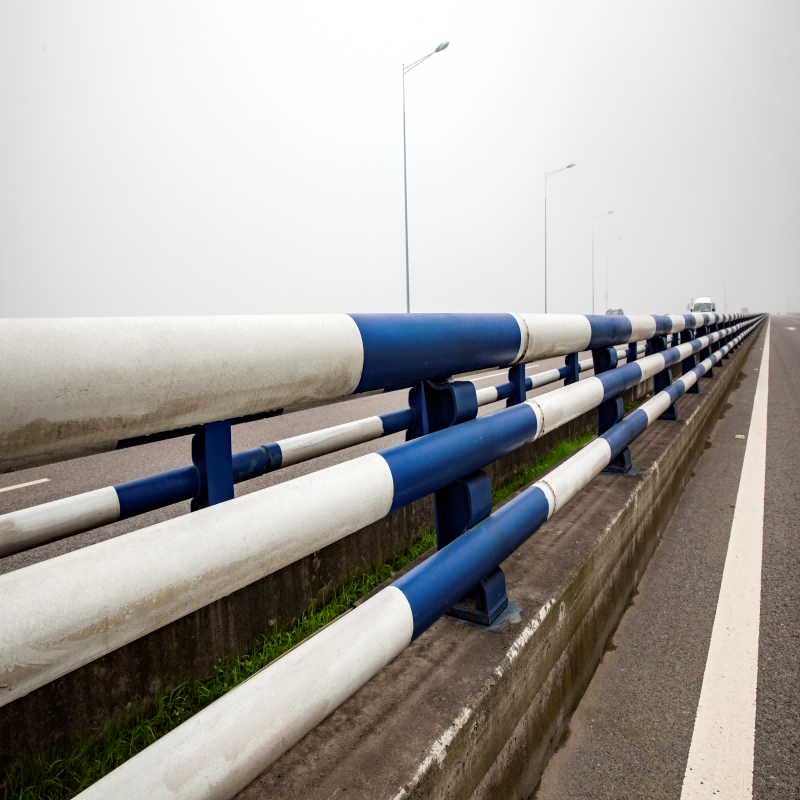
The W-beam and cable guardrail systems have different modes of failure, and therefore, have to be assessed differently for their unique failure modes. Corrosion is one of the issues that accelerates the structural weakening occurring on coastal and de-iced roadways, because of the rapid increase of the material loss of up to 50% faster than that of inland roadways. W-beam guardrails will mostly experience section buckling, failure of the splice joint, and post-impact deformation exceeding 3 inches, which is deemed beyond repair and warrants immediate replacement. Cable systems have unique vulnerabilities; corrosion at the terminal fitting can reduce tensile strength by 30–40% and overgrown vegetation can break wires and displace anchors and can go unnoticed. Consistent documentation of these failure modes assists the predictive maintenance in avoiding catastrophic failure of roadside containment systems.
Meeting the Requirements of ASTM F3159 and NCHRP 726 for the Integrity of Road Isolation Guardrails
NCHRP 726 and ASTM F3159 provide the basis for the inspection method, frequency, and acceptance criteria in the guardrail system. The requirements include:
1. Quarterly visual inspection for corrosion and impact damage.
2. Annual torque checks on anchors at terminal ends.
3. Deflection measurements of beams, which must not exceed ±1/8 inch per 3-foot span.
4. Cable tension must be equal to or exceed 1.7 kips for each strand.
The systems that do not meet these criteria, especially those with broken welds and damaged foundations, lead to an increase in crash severity risk by 60%. Inspection records must provide evidence that the system meets the federal roadway safety requirements on energy absorption limit during a crash.
Timely Repair or Replacement of Compromised Road Isolation Guardrail Components
Performance Risks After Impact
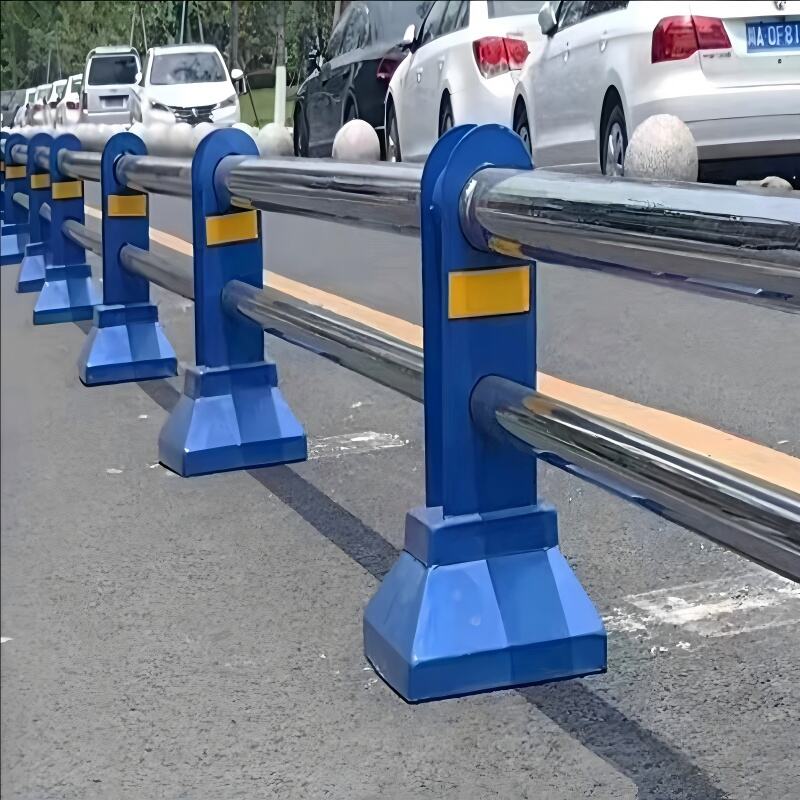
The ability of damaged guardrail sections to redirect a vehicle or absorb crash energy is greatly diminished. Even a single bent or loosened guardrail anchors will cause a stress redistribution to surrounding components, increasing the probability of a complete system failure upon a subsequent impact. Research of post-collision scenarios shows that a damaged guardrail system has a 63% higher vehicle penetration rate than a guardrail that is undamaged. Damage, no matter how minimal, leads to a cycle of progressive failure. This is the primary finding of a structural integrity study performed in 2023 that assessed 200 different highway locations. Failures of a catastrophic nature often start from the smallest amounts of unnoticed damage.
AASHTO M180 Thresholds: Engineering Control Limits
The American Association of State Highway and Transportation Officials (AASHTO) M180 standard outlines the minimal engineering control limits for guardrail functionality.
Performance Criterion AASHTO M180 Control Limit Failure Consequence
Energy Absorption Minimum 53,000 ft-lbs per section Vehicle rollover or override
Anchor Stability 7,500 lbs resistance per post System collapse upon impact
These limits are violated the moment a guardrail has corroded fasteners, misaligned end terminals, or any type of foundation damage. According to the Ponemon Institute (2023) report, retroactive compliance to post-accident designs that had no compliance standards resulted in a cost that reached, on average, $740,000 per mile, emphasizing the need for periodic verifications of bolt torque and foundation integrity to ensure life-saving performance.
Control of Vegetation and Visibility and Guardrail Effectiveness on Road Isolation
Impact of Vegetation on Guardrail Visibility and Crash Severity
The presence of overgrown vegetation causes a significant loss of guardrail effectiveness due to a loss of driver visibility and an inability to monitor the structure. Major impacts include:
Loss of visibility due to sight line obstruction - This can increase the potential and severity of a collision in the event of a curve or hazard.
Accelerated corrosion due to moisture retention and rust formation on the posts and beams.
Damage to the structure goes undetected due to the concealment of dents, cracks, and loose connectors.
The overgrown roadside vegetation contributes to increased crash angles and reduced guardrail detection. Routine vegetation control within 1.5m of guardrails will provide the visibility needed and allow for corrosion assessment during inspections.
Innovative Environment Maintenance Solutions for Road Isolation Guardrail
Best Practices to Mitigate and control High Rates of Accelerated Corrosion in Coastal and De-Iced Roadways
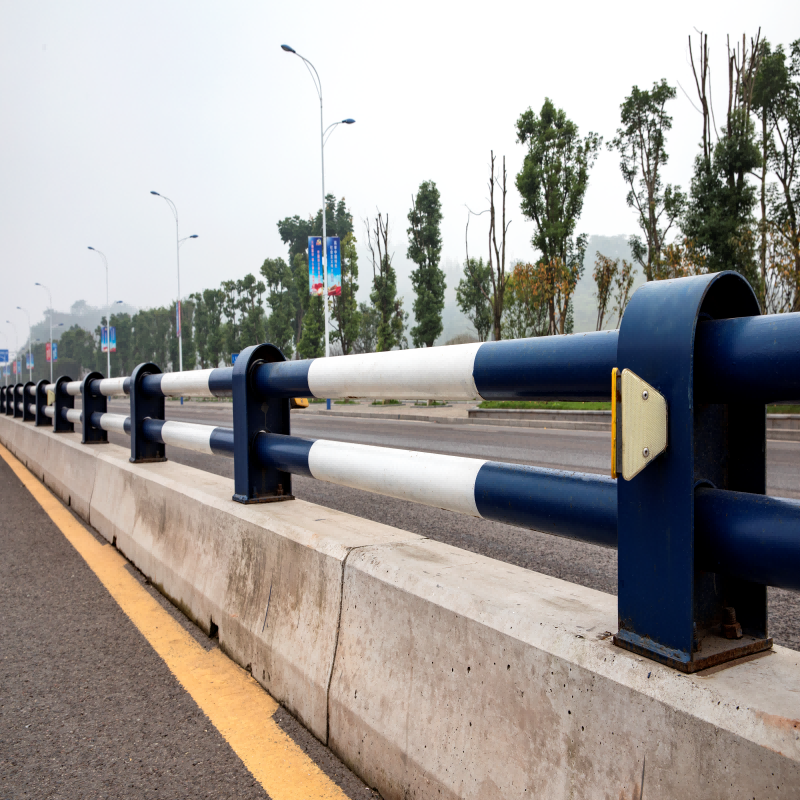
Salt and water that has been treated with chemicals for de-icing, collect in the low spots of roadways faster, resulting in Road Isolation Guardrail systems in coastal areas and salted Winter Roads, corroding 3-5 times faster than the rest of the country and reducing their effective lifespan to 5-7 years instead of 15+. Proper mitigation requires a fully integrated three-pronged approach.
Cathodic protection of the below ground components.
Pressure washing at 90-day intervals to remove the salt.
As confirmed by the FHWA durability study, this is the only solution that will manage and mitigate corrosion related failures by 78%. Drainage channels must slope 2% away from the foundation to eliminate the pooling at the base of the guardrail and prevent localized pitting that can be detrimental to the system.
Data-Driven Replacement Scheduling Using Corrosion Mapping and Traffic Exposure Index
Highway maintenance teams achieve higher servicing efficiency by incorporating two analytics dimensions into a GIS-enabled decision-making tool.
When these datasets are integrated, there is a 62% reduction in emergent repairs and a 40% increase in average service life. The model will consider replacement when, in high traffic roads (greater than 15,000 vehicles/day), corrosion holes are present, ensuring AASHTO safety tolerances are maintained, without excessive maintenance on low risk areas.
FAQ Section
What are some of the degradation modes of road isolation guardrail systems?
Corrosion, impact damage, and structural weakening, especially on coastal roads and roads subject to de-icing.
How frequently should guardrails be inspected?
Inspections should follow standards laid out by ASTM F3159 and by NCHRP 726, and should include quarterly visual checks and annual torque testing.
What happens to guardrails if they are not repaired?
Unrepaired segments will lead to higher rates of vehicle penetration and system-wide failure of the guardrail systems during subsequent impacts.
What impact does vegetation have on the guardrails?
Overgrown vegetation is the fastest to to diminish the efficacy of the guardrails, by blocking the view of the guardrail, promoting corrosion, and reducing visibility, hence the effectiveness of the guardrail, is compromised.
What are the corrosion-mitigation best practices for road isolation guardrails?
Corrosion-mitigation best practices include the application of zinc-aluminum alloy coatings, cathodic protection systems, and regular pressure-washing to remove salt residues.