
 EN
EN


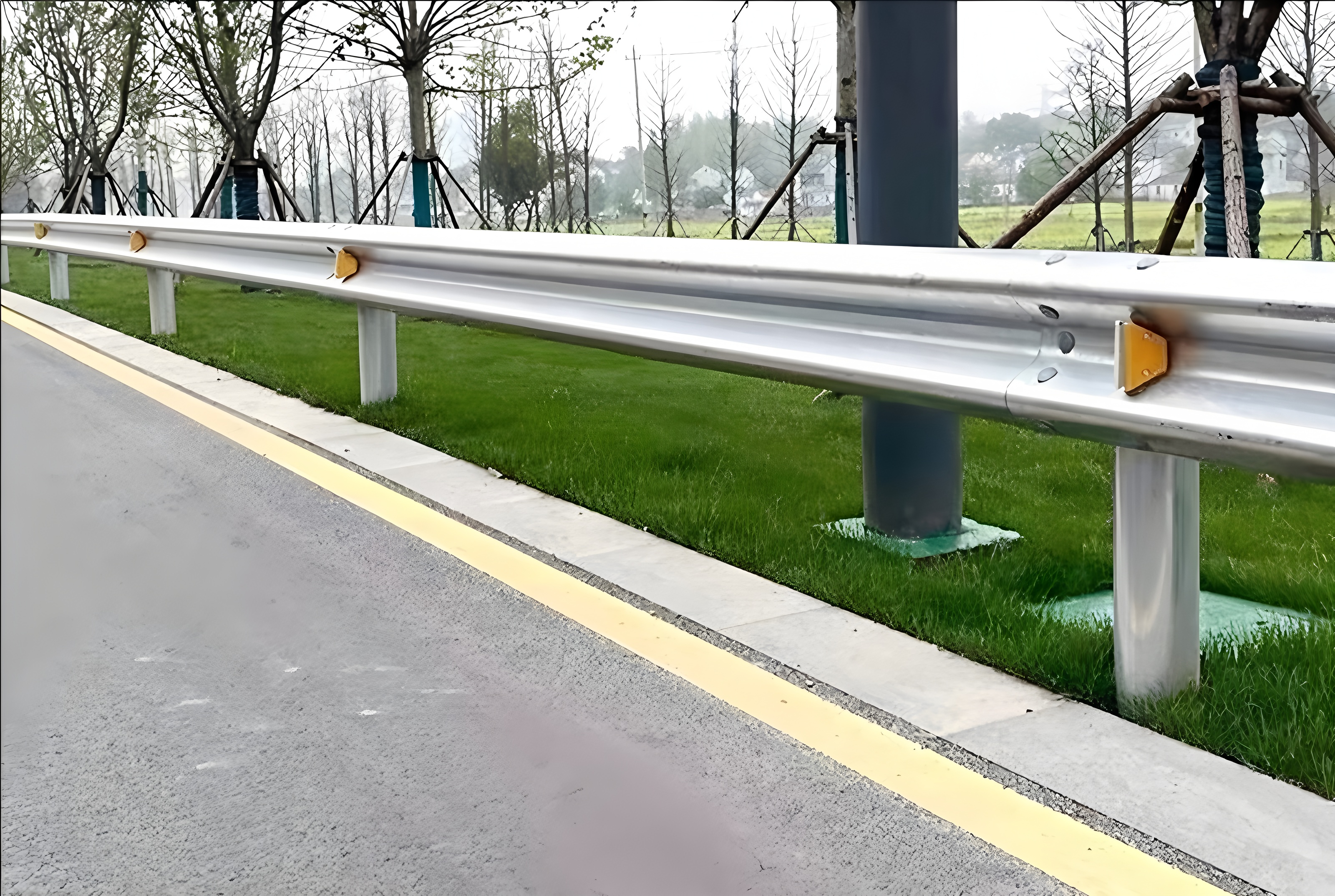
Base Material Compliance Check for Corrugated Steel Beam Guardrail
Material Testing: Tensile Strength, Yield Strength and Elongation as per ASTM A307 and EN 10027-1
The impact resistance and capacity for controlled deformation during a collision of a guardrail beam is determined by the fracture resistance (tensile strength) of the beam and fracture (yield strength) variance and energy absorption (ductility) capacity (elongation) under impact. These pose crucial structural features must be validated by certification from an independent testing laboratory, without which materials are determined to be non-compliant and increase potential project failures by 37% as evidenced by NCHRP Report 350-2022.
Verification of base metal thickness (±0.1 mm) according to JT/T 281–2007 and AASHTO M180
In order to ensure consistent performance of guardrail beams on impact, the physical integrity of the base metal thickness is crucial. Failure to meet required specifications may reduce energy absorption potential (dissipation) by 29% along the length of the guardrail beam and may lead to uncontrolled or uneven forces. This is especially the case for gaps that may exist along the beam section. Measurement devices must be calibrated and certified prior to use. Random checks on the measuring devices from a sample of 10% of production batches should also be implemented.
Assess Galvanizing Coating Integrity on Corrugated Steel Beam Guardrail
Coating structure validation using magnetic induction (≥70 µm) and gravimetric (≥550 g/m²) methods
Zinc coating corrosion protection ultimately influences the crashworthiness of the structure over time. Therefore, the following industry standards must be verified: a minimum of 70 µm thickness and 550 g/m² zinc coating mass.
- Magnetic induction testing enables the measurement of thickness with a variation of ±5% without damage to the coating.
- Galvanic analysis involves the dissolution of zinc coatings to determine mass per square meter as per ISO 1461 and ASTM A123.
Sections of lesser coating (≤50 µm) compliance are expected to rust three times faster, and the environmental exposure is a major factor. For example, AASHTO M111 Appendix suggests a 20% increase of coating thickness for coastal installations as compared to inland sites. Handling of the fabricated coating is typically 5-15 µm of coating loss due to abrasion, hence, pre-installation verification is critical to ensure the sacrificial coating is designed to perform as expected under impact and environmental loads.
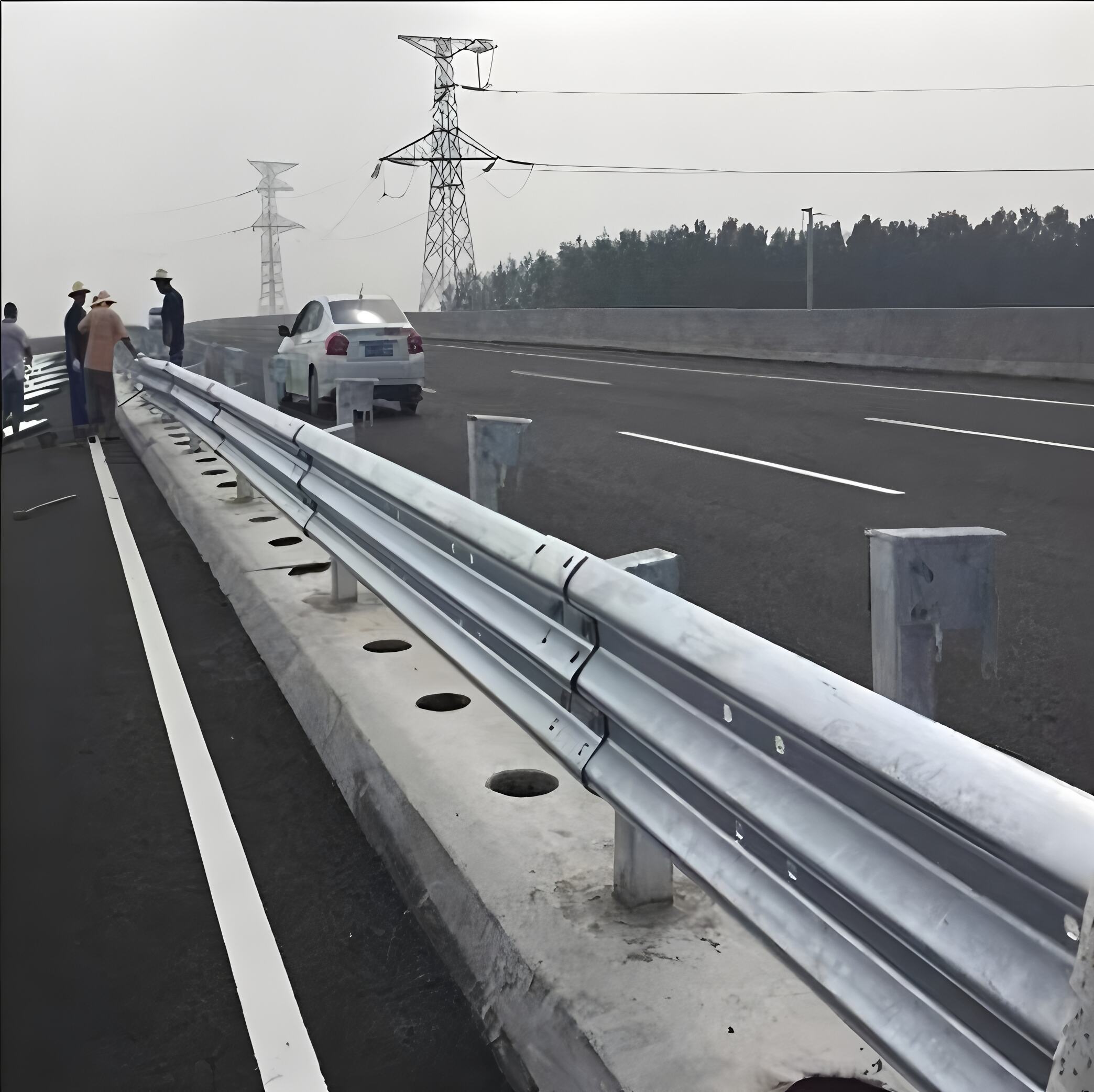
Confirm Regulatory Certification and Traceability for Corrugated Steel Beam Guardrail
Compliance verification with AASHTO M180, M183, M111, and JTG B05-01-2013 test reports and mill certificates
Every shipment needs to be validated by reconciling test reports and mill certificates with four primary standards:
- AASHTO M180: materials thickness tolerances
- AASHTO M183: crash performance requirements
- AASHTO M111: standards for coating adhesion and mass
- JTG B05-01-2013: applies to the design and testing for the Chinese highway
Unreported grade of steel changes and lack of galvanizing report discrepancies indicate non-compliance. Third-party verified evidence is necessary to avoid using inappropriate materials during construction.
Traceability pillars consist of three primary anchors for accountability throughout the guardrail lifecycle. These components are:
- Tracking heat numbers that correspond to the original steel melt batch for each guardrail section.
- Consistency in galvanizing lots to ensure close uniformity in corrosion resistance across all components.
- Legibly embossed permanent markings that are manufacturer IDs and dates of production to ensure easy identification of the markings post installation.
The combination of these three components allows for the rapid containment of defects in the scope of a recall and also allows for true certification. Projects without identifiable scope components are at higher risk for inconsististency in field performance and regulatory risk.
Assessment of Real-World Safety Performance of Corrugated Steel Beam Guard Rail.
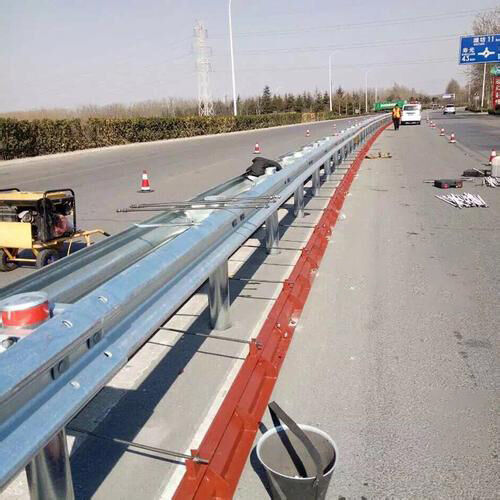
The benchmark for evaluating performance in real-world safety is crash testing, which assesses energy absorption, redirection of vehicles, and occupant protection across multiple impact scenarios. Systems are expected to meet at a minimum, NASHP 350 and MASH 2016. Based on the installation guidance from the Federal Highway Administration, it is recognized that properly installed corrugated steel beam guard rails have a 48% reduction in severe injury risk during highway crash situations. Field inspections have shown that the impact levels of the system are greatly influenced by environmental factors, particularly corrosion. The performance of the system tends to collapse in situations of high angle impact and heavy vehicle impact. These situations further emphasize the importance of continuous refinement of system design based on real-world empirical data.
Frequently Asked Questions (FAQ)
What are the minimum standards for guardrails in relation to tensile strength and yield stress?
In relation to the structural integrity standards of ASTM A307, tensile strength should be a minimum of 310 MPa, and yield stress should be no less than 230 Mpa.
Why is measuring the base metal thickness important?
Base metal thickness is important for determining crash performance and is measured using ultrasonic gauges, with tolerance of ±0.1 mm, as per JT/T 281–2007 and AASHTO M180.
How is the integrity of the zinc coating assessed?
The integrity of zinc coating is assessed using magnetic induction and gravimetric methods for coating thickness and mass for which the stipulated minimum thickness is 70 µm and mass is 550 g/m².
What standards do guardrails need to meet prior to shipment?
Guardrails need to meet AASHTO M180, M183, M111, and JTG B05-01-2013 standards prior to shipment, and any discrepancies in the test reports need to be documented.
How significant is traceability in guardrail manufacturing?
Traceability using heat numbers, consistent galvanizing lots, and manufacturer marks is important for accountability in the lifecycle and compliance with safety regulations.