
 EN
EN



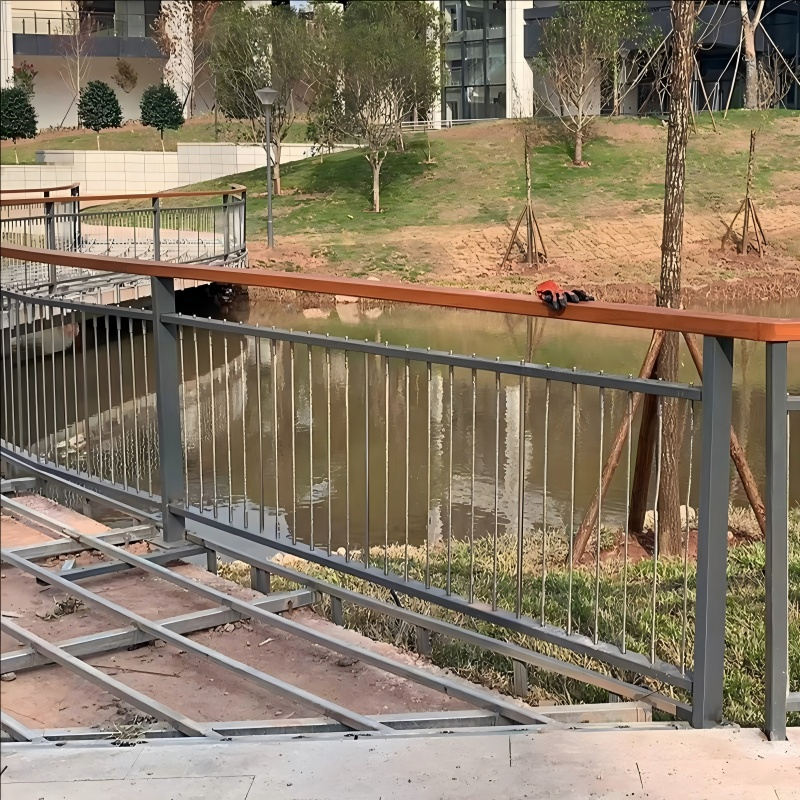
The 4-Inch Sphere Rule: IRC Compliance and Its Limitations for Cable Railing
How the International Residential Code (IRC) defines maximum opening size
The International Residential Code (IRC) states that all guardrails should be constructed to prevent a 4-inch ball from passing through. This regulation is designed to prevent children from either falling through guardrails or becoming entrapped within the guardrails. With regard to cable railings, this means that at the initial installation of the horizontal cables, the spacing between the cables is not to exceed 4 inches. However, the IRC is a code of static measurements, meaning it looks at spacing when the rails are not being touched. Because of this, the IRC fails to account for the stretching of cables, the slight shifting of posts, or the stretching that occurs due to use. Solid materials, such as glass panels, metal spindles, or wood slats, do not stretch, but the cables do. The way the IRC code is written is not reflective of the way cable systems perform when a person leans against them or when the cables are subject to normal use.
Why the 4-inch sphere test assumes rigid infill – and why cables defy that assumption
The IRC sphere test assumes that the infill material stays in place when a load is applied. However, infill cables behave quite differently. When lateral load is applied to a cable, it deflects considerably because the cable stretches and the end fittings and the posts deflect as well. In the ASTM E2356-22 tests, a load of approximately 200 pounds (the load of an adult leaning against the barrier) was able to increase the cable deflection by approximately 1.5 inches in 4 out of 5 testing situations. This is an end fitting and anchorage deflection safety concern because the IRC model assumes a rigid infill that does not move in any way. This leads to the conclusion that mesh cables may technically pass a code requirement, but they create additional safety risks that are not caught by the code.Cable Deflection: Why Installed Spacing Must Be Tighter Than the IRC Allows
Understanding the Physics of Load-Driven Cable Stretching and Post Flex
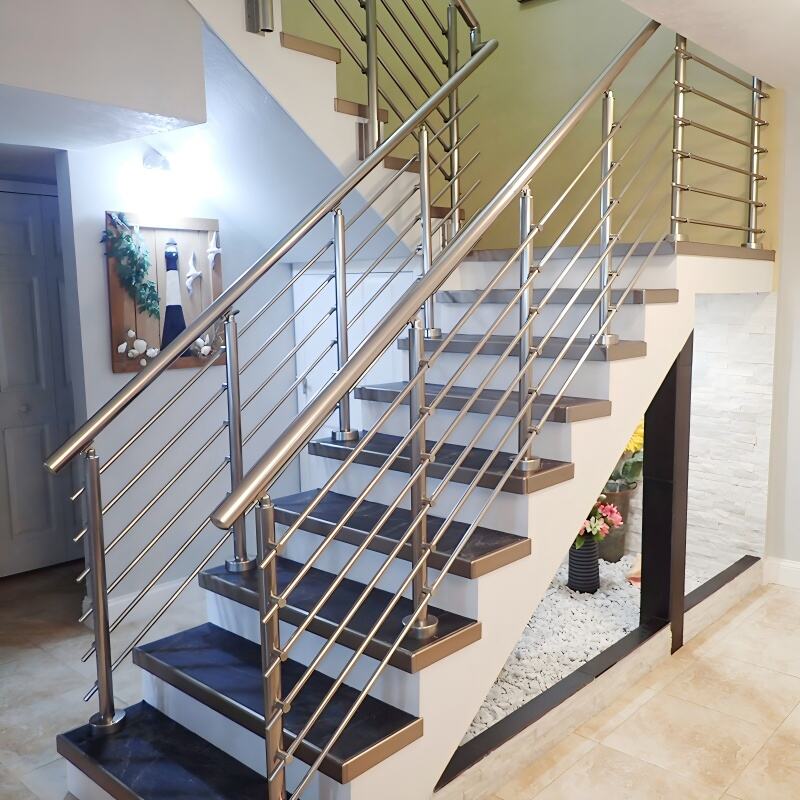
When pushback railing systems made of cables are pressured sideways, the first of the 'two' main issues that occurs is that the tensioned stainless steel cables 'stretch' a little. 'Stretching' also occurs in a body's 'supporting' post, which means the post tends toward flexing, be it a wooden post or an aluminum post, 'at the anchors' post ends. The common, everyday usage of a stainless steel cable causes a stretch in the order of 0.2% everyday usage. Whereas an aluminum post or a wooden post elicits a greater response: post flexing, of several degrees. A kid weighing around 100 pounds is an example of a 'light' load The rail system and its materials are also load-responsive, which is no indication of poor workmanship, but evidence of the materials of the system acting as designed.
ASTM E2356-22 testing know-how: Out of the recorded gap expansions, the largest was 1.5 inches at 200-lb load
Vertical rails testing at ASTM E2356-22 is the most reliable vertical rail testing method. Vertical rail cable systems experience noticeable mid-span gap expansions of nearly 1 inch at a load of approximately 200 lbs. 1.2-1.5 inches is considered normal. The explanation is simple: uneven cable tension redistribution leads to points of the greatest support concentration the cable snaps. The results demonstrate the irrefutable proof of the International Residential Code's 4 inch rule being completely disregarded. In order to keep their 4 inch code gap compliant, builders must first install a cable system that is designed to install closer together than 4 inches. The simple, practical, working rule of cable systems is that the initial spacing of the system openings should be no greater than 3 inches to accommodate the predictable and inevitable system openings and cable delays.
Recommended Safe Spacing for Residential Cable Railing
While there is a great deal involved in the installation of residential cable railings, the first and foremost is safety. Following the 2024 International Building and Residential Code is important, but safety goes beyond the bare minimum. The codes state nothing should allow a four inch sphere through, but thoughtful installers understand that actual installations need spacing which is much tighter, as cables do shift and move when people lean on them. For decks that are level, most experienced installers will advise that you place the spacing in the installation to be equal to or less than 3.5 inches. This spacing will need to be adjusted prior to the inspection when the cable is fully tensioned. When it comes to stairs, even more attention is warranted. The bottom cable can be positioned 5 - 6 inches above the where the previous step ends, however, all other cables positioned horizontally must be contained within the 3.5 inches minimum gaps, in order to avoid a situation where someone can become trapped. Consider the spacing of the posts. When the posts are spaced more than 4 feet, the entire installation will sag more and appear to be deflected worse over time. Good practice is to adjust the tension and check all measurements, rather than adjusting during the installation.
Injury Prevention Strategies: Avoiding Child, Pet, and Adult Entrapment
CPSC gaps and cable railing entrapment incidents
The CPSC has noted that cable railings present a severe entrapment danger when gaps exceed 3.5 inches. It is a serious concern described in their 2023 safety report. In the incidents reported, approximately 75% of children under 5 years of age, who got stuck, were the result of their heads or limbs being entrapped in the gaps between cables. Furthermore, the problem is not limited only to children. Numerous pet owners have reported that their dogs have been entrapped when they slip a collar and manage to get through the gap. All of these cases demonstrate why the gap is supposed to be less than 3 inches, as recommended by most experts. In support of these guidelines, testing has been conducted in accordance with the ASTM E2356-22, which shows that materials expand in the region of 1.5 inches. This makes the initial gap setting critical for the long-term safety of the installation.
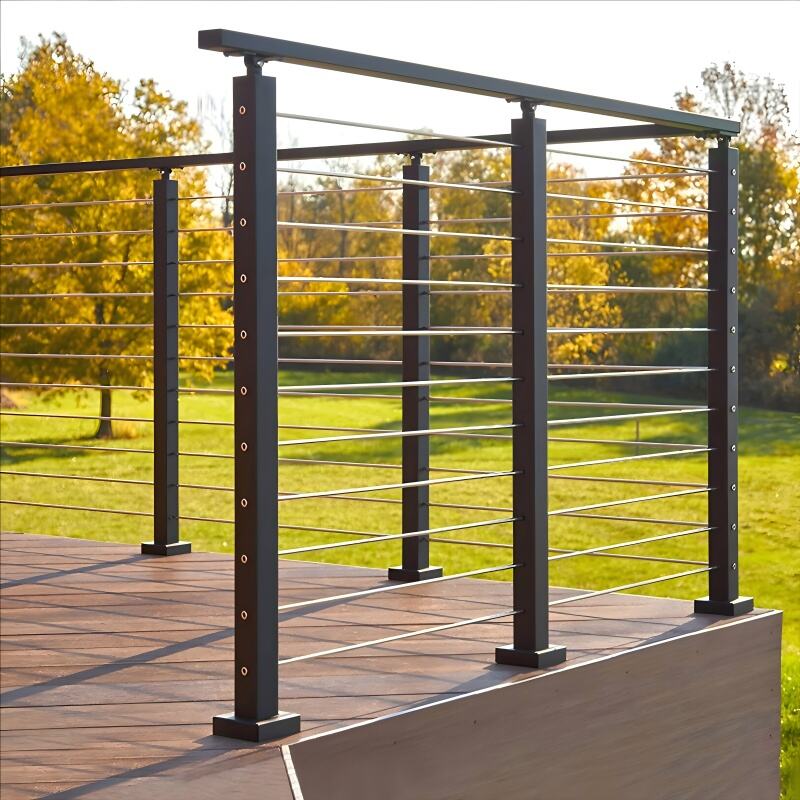
There is considerable variation in spacing requirements for stair versus deck railings. Steps and decks involve different user-initiated forces and interactions on the railings at different heights. For stairs, we could have problems if young children are peering through the gaps. Most specialists recommend under 2 ¾ inch spacing for cable gaps to prevent head entrapment. For decks, 3 inch spacing is acceptable. However, they require stronger supports, which translates to large 6x6 wood posts, or solid 3 inch aluminum posts at no more than 4 ft spacing to prevent excessive bending. When livestock are present, many builders add additional horizontal “anti pet” wires below the 36 inch handrail. Consider the amount of force the railings will be under. A small child leaning on a railing applies a surprising amount of horizontal force on the railing; approximately 200 pounds against the railing. It will be obvious when less than perfect spacing is present to control leaning and bending.
Frequently Asked Questions
What is the reason for cable railings needing smaller spacing than what the IRC allows?
Cable railings need smaller spacing because they tend to stretch when pressure is applied. This added movement can create gaps that are unsafe. To avoid gaps that breach the 4-inch sphere rule, spacing should ideally be set to 3 inches or less.
What is the difference between installed cable railings while under pressure vs. static measurements?
Static measurements are taken at relaxed or neutral conditions, so installed cables may show a 4-inch spacing. However, pressure caused by leaning or pushing will cause the cables to stretch and the gaps to widen. This is the reason static measurements do not provide a complete picture of what is safe from a system of cables in real world conditions.
What should spacing be for stair vs. deck railings?
In stair railings, the gaps should be less than 2¾ inches to avoid entrapment, while in deck railings, spacing can be about 3 inches. In both cases, the posts should be placed in a way to provide the system with stiffness to reduce deflection over time.