
 EN
EN



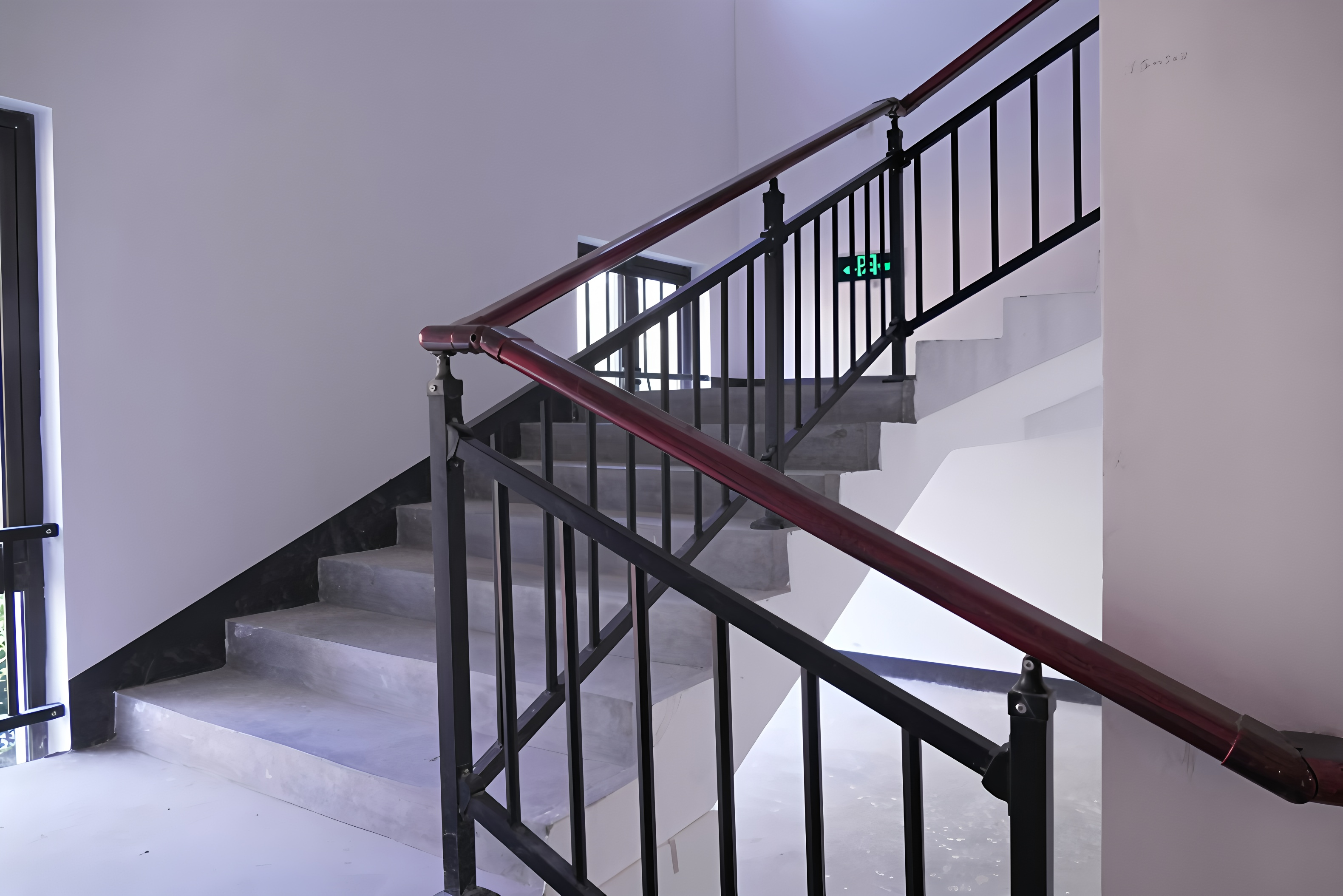
Getting measurements right for treads, risers, and overall stair width matters a lot to code compliant railings. Building codes, IBC, and IRC, along with National Building Codes, require code compliant railings to withstand a minimum load of 200lbs of lateral force. This means post spacing must be calculated. To determine post placement, measure the length of the staircase run and divide it by the post spacing allowed by your railing code. Most building codes for residential homes maintain their post spacing around 4 feet, per IRC section R311.7.8. Some municipalities may even grant permission for a 5-foot (but fewer are more 5-foot post spacing granted). Watch out for the special cases here. Concerns are more weight concentrated around corners and landings. Doing these well ensures the whole structure is safe.
During the marking of anchor points, levelling and chalking must be done to keep consistency at 34 to 38 in, and required extensions
After deciding where the posts will go, use the laser to mark the anchor points to keep the vertical alignment to code, and to meet the requirements of the IRC R311.7.8:
Railing must be between 34 and 38 inches vertically, measured from the front edge of each tread to the leading trapeze of each tread.
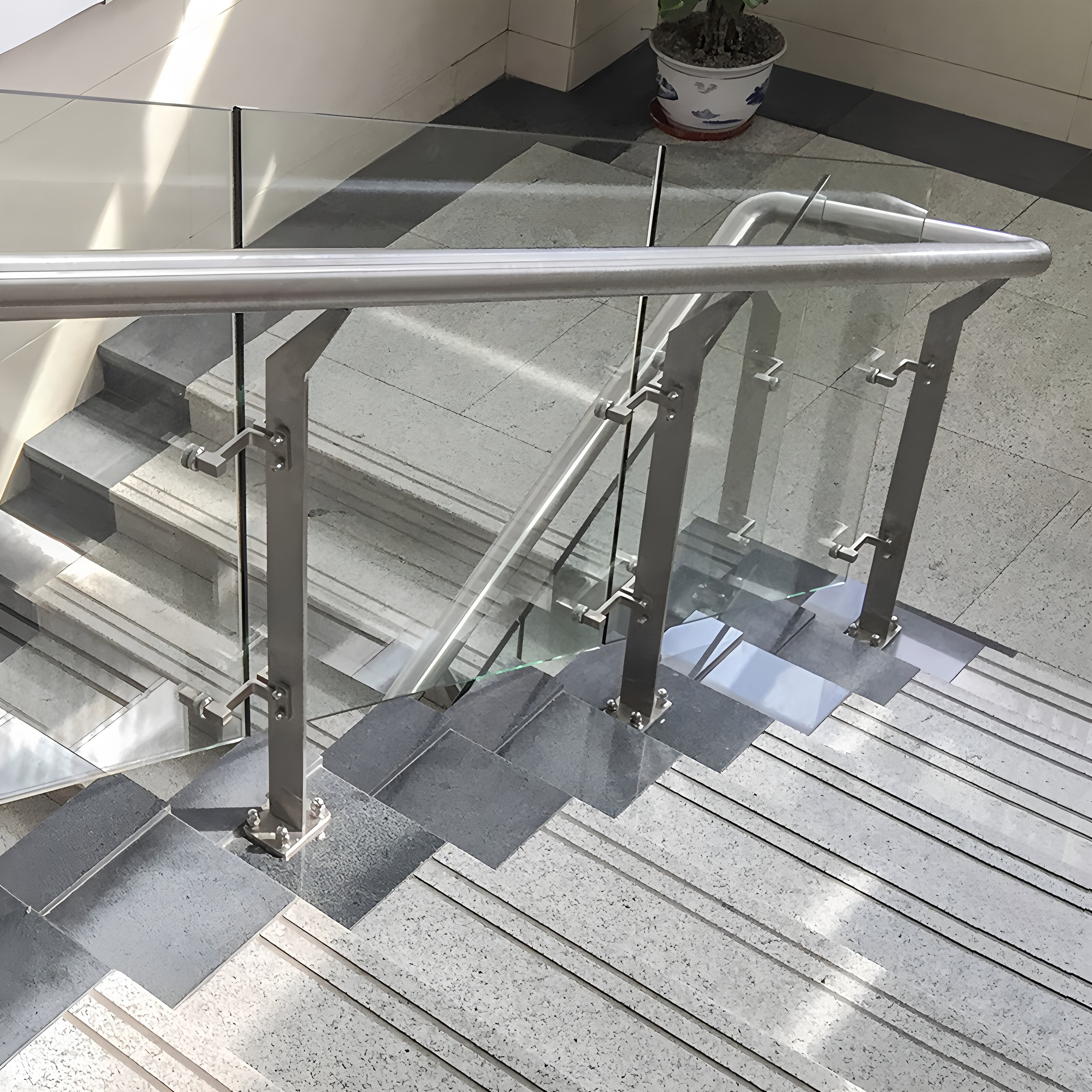
There shall not be less than 4 inches of space between the railing and the wall.
There shall be handrails that extend at least 12 inches horizontally beyond the bottom tread and vertically to the top landing.
Use the transit level to check elevation, not just a bubble level, as slight differences in grade can affect safety and compliance.
Anchoring Stair Railing Posts to Concrete
How to use a Hammer Drill with a Masonry Bit, Dust Control, and Depth Control to Secure Anchors Correctly.
Your first step will be to use a hammer drill and a carbide-tipped masonry bit that is the same size as the anchor you plan to use. You will need to clear the hole after drilling, and many people use a shop vacuum with a brush attachment to achieve this. Clearing dust is especially important because dust will cause poor bonding. When you install the anchors, you should place a piece of tape around the drill bit at a point that is a half inch from the bottom of the anchor depth to allow for room for small debris. You are obligated to keep safety the priority, so eye protection should also be used as it is required by OSHA. According to the most recent BLS data, almost 70% of eye injuries sustained at a workplace occur as a result of the drilling of a hammer and concrete.
When deciding between sleeve anchors and wedge anchors, consider the material of the railing and the load requirements.
Most concrete stairs are not going to be perfectly level. When there is a gap or void that is greater than 1/8 inch under a mounting plate, use stainless steel or composite shims, not regular shims. These shims are intended to be placed so they will spread out the weight over the shims, not just create a pile of shims. Before you tighten down those anchor bolts, use a 9 inch torpedo level and make sure things are square. You do not want to have to crank on the bolts to drive them to make things straight. This will create stress points and make the finished product unstable. The numbers support this as well. Last year the Building Safety Journal found that 92 percent of early wobble problems found were due to improper shimming. This is especially the case when shimming on uneven concrete steps.Verifying the vertical alignment, plan alignment, and horizontal alignment with the cross level and the diagonals prior to final tightening.
Shim the posts, and then do the following three checks.
1. Verify the vertical alignment is within a margin of error of ±1° using a digital cross level for each post.
2. Verify the plan alignment is acceptable by measuring the diagonals of the upper ends of the opposite posts – the tolerance must be within a margin of error of ±1/16 inch.
3. Verify the horizontal alignment of the posts by using a builders line (masons line) stretched between the outer posts.
Before the final torqueing of the epoxy-coated anchors, all measurements must be documented. Cross-checking alignment has been documented to decrease installation errors by 68% over measurements taken using a visual only method (Construction Trades Report 2024). Dismantle all anchors and retighten in a star pattern only after all checks are completed.
Safety, Code Compliance, and Stair Railing Functionality
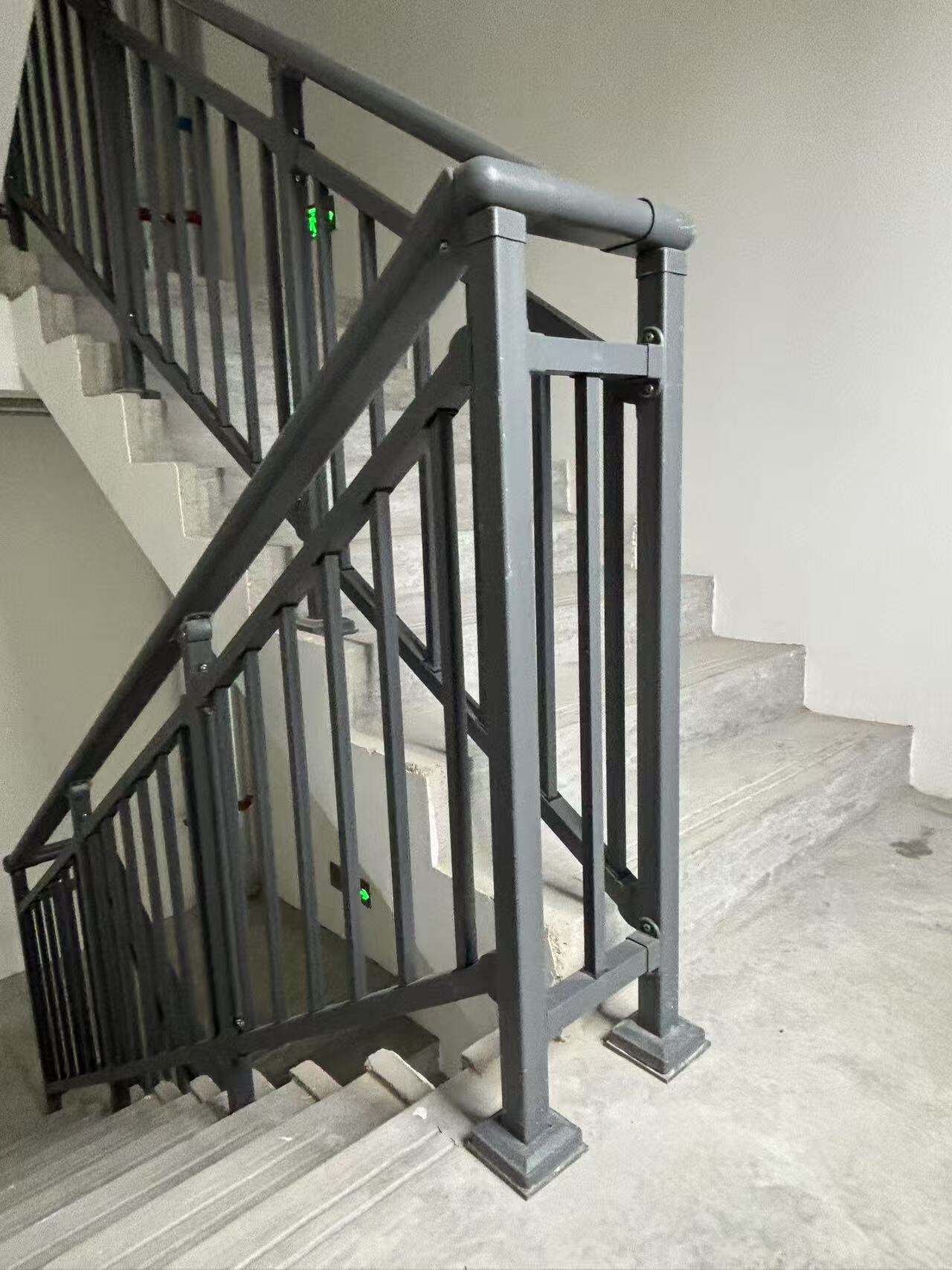
The Code says: A Stair Railing must be 34-38” high, have a grip size of 1.25”-2”, be continuous, and pass a 200-lateral load test.
When it comes to railings on stairs, the International Building Codes has four main requirements. First, the railings must be between 34-38 inches in height. Second, the handrail grip size has to be between 1.25 inches and 2 inches for comfort purposes. Third, the handrail must be continuous and free of gaps. Additionally, the handrail must extend 12 inches both above and below the top and bottom steps Third, the handrail must also be able to withstand a 200 lb. lateral force, regardless of the point on the handrail, and remain free of movement. This testing is a box more than a developing project; failing this test entails a ban on allowing occupants to use the building.
Identifying troubles in stair railings such as loose anchors, off-center brackets, and small-sized parts, can affect railings and stairs.
After an installer is done, some issues can be traced back to three problems:
1. Anchor Pullout: If there is greater than 1/8 inch movement, re-drill and epoxy the anchor back.
2. Bracket Misalignment: Use a laser guide shim to adjust the bracket, and do a re-torque.
3. Small Sized Parts: Under 200lbs lateral capacity, the fastener goes against IBC requirements, and if there is any stress, the railing can collapse.
Do not combine with more pull or excess packing to create false torque.
The structural integrity and solution rely on right choice, correct and complete, and specification. These problems can be fixed in order.
FAQ Section
What are the key measurements on stair railing placement?
Local codes need to be followed, and for verge railings, the height ought to be 34 to 38 inches from the tread nosing. And the openings all should be about 4 to 5 feet wide, as per IRC section R311.7.8. And it should be considering the depth of the tread, height of the riser, and the total width of the stair.
How are the correct anchors selected for stair railings?
The answer lies in the railing material alongside the load requirements. Wedge anchors are used for steel or iron railings with significant shear strength and considerable concrete embedment. Conversely, sleeve anchors are used for aluminum railings located close to the slab edge.
What are some frequent sources of railing instability, and how can the problems be remedied?
Typical causes of instability can be attributed to pullout of the anchors, misalignment of the brackets, or the use of hardware that is smaller than required. Some of the solutions include re-drilling of anchors, the application of laser alignment for the brackets, and the use of hardware that meets or exceeds the required lateral load standard of 200 lbs.