 ×
×

Les clôtures permettent de délimiter les propriétés, d'ajouter de la sécurité et d'aménager des espaces extérieurs. Lorsqu'il s'agit de choisir entre une clôture métallique et une clôture en bois, l'effort d'entretien à long terme doit également être pris en compte, tout comme le coût. L'entretien du bois peut être plus important que celui du métal et nécessiter beaucoup de temps, d'efforts et de nettoyage. Metal Guardrails, un fournisseur de solutions de clôtures métalliques de haute qualité, conçoit sur mesure des clôtures métalliques durables qui réduisent considérablement les besoins d'entretien. Pour cette raison, il est également important de prendre en compte l'entretien requis par les clôtures en bois et en métal. Les différences d'entretien concernent des aspects tels que la nécessité de réparations, les fréquences de nettoyage et le besoin d'imperméabilisation. Ces informations devraient aider à choisir l'option la moins contraignante.
Le temps sera toujours un facteur de détérioration des clôtures et est inévitable, et les clôtures en bois présentent également des inconvénients. L'usure due aux intempéries signifie que la pourriture et les moisissures vont se développer. Les clôtures métalliques évitent cette situation. Une clôture en bois est endommagée par la pluie, les températures extrêmes et l'humidité. Après la pluie, le bois absorbe l'eau et développe de la pourriture et des moisissures, puis, avec le gel, le bois se fendra. Pour cette raison, une clôture doit être protégée avec un scellant et de la peinture tous les 1 à 2 ans, ce qui est fastidieux et coûteux.
En revanche, Metal Guardrails utilise de l'acier galvanisé ou des alliages d'aluminium pour fabriquer des clôtures. Ces alliages développent une oxydation protectrice, ce qui signifie que les clôtures ne rouillent ni n'oxydent, même en cas de fortes pluies, de conditions humides ou dans des zones côtières salées. Les clôtures métalliques nécessitent uniquement des inspections annuelles simples afin de vérifier d'éventuels dommages mineurs ; aucun besoin de scellement ou de peinture fréquent. La forte résistance aux intempéries des clôtures réduit considérablement les travaux d'entretien, ce qui la rend plus pratique à entretenir qu'une clôture en bois.
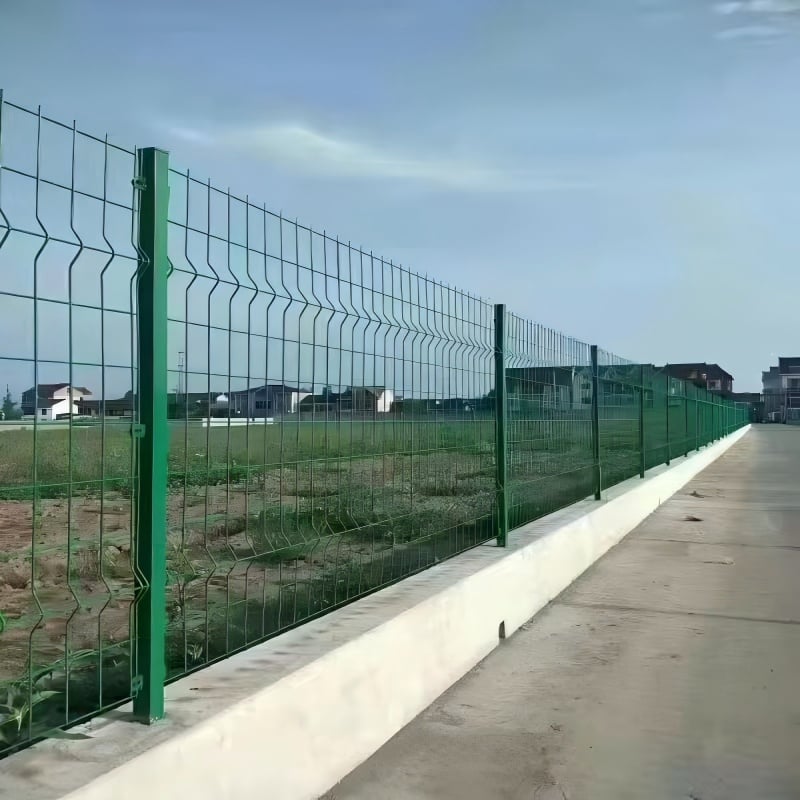
Un entretien régulier est essentiel pour les clôtures afin d'éviter qu'elles n'aient un aspect négligé, et les clôtures métalliques sont certainement plus pratiques à nettoyer que les clôtures en bois. Une clôture en bois possède des surfaces poreuses qui attirent et retiennent la saleté, les débris et la poussière. Ces contaminants pénètrent profondément dans les fibres, ce qui rend leur élimination difficile. Le nettoyage d'une clôture en bois implique de frotter, d'utiliser des nettoyants spécifiques pour bois et un nettoyeur haute pression. Toutefois, une quantité excessive d'eau peut détériorer la surface et favoriser la pourriture du bois. Les clôtures métalliques nécessitent moins d'entretien car elles présentent des surfaces lisses et non poreuses qui empêchent l'accumulation de saleté et de débris. Pour nettoyer votre clôture métallique Metal Guardrails, comptez seulement 15 à 20 minutes : utilisez simplement un tuyau d'arrosage pour rincer la saleté en surface, puis prenez un chiffon doux, imbibez-le d'eau savonneuse et retirez les taches tenaces. Rincez ensuite à l'eau claire. La surface lisse d'une clôture métallique sèche rapidement, sans accumulation d'humidité, contrairement à une clôture en bois qui peut finir par développer de la moisissure. Les propriétaires apprécient particulièrement les clôtures métalliques, car le processus de nettoyage est nettement plus simple et plus efficace en termes de temps !
Les dégâts causés par les nuisibles sont un problème courant avec les clôtures en bois, mais il est totalement faux de dire que les clôtures métalliques subissent des dégâts de ce type. Avec les clôtures en bois, vous devez vous inquiéter des termites, des fourmis charpentières et des foreurs du bois qui peuvent infester la structure. Lorsque cela se produit, la clôture perd de sa solidité structurelle et les propriétaires doivent dépenser une fortune en traitement contre les nuisibles. Ensuite, les parties endommagées doivent être remplacées, ce qui fait perdre la tension de la clôture. Les clôtures métalliques ne souffrent pas de dégâts causés par les nuisibles. Le métal ne constitue pas une source de nourriture pour les termites, et il est trop dur pour que les rongeurs puissent le ronger.
Avec une clôture métallique, vous n'avez pas à vous soucier des dégâts causés par les nuisibles, alors qu'une clôture en bois exige une prévention constante contre les infestations. Contrairement aux clôtures en bois, la résistance aux nuisibles d'une clôture métallique signifie que vous n'avez pas à vous préoccuper de l'entretien lié aux parasites du bois.
Les clôtures peuvent subir des dommages au fil du temps à cause de chocs, et une clôture métallique nécessite moins d'entretien et des réparations plus simples. Lorsqu'une clôture en bois subit des dommages, comme des planches cassées ou des poteaux pourris, les poteaux ou planches doivent être entièrement remplacés car le bois ne peut pas être réparé sans laisser de différences visibles. De plus, lors du remplacement de sections de clôture en bois, l'ancien et le nouveau bois doivent correspondre en couleur et en texture, une tâche très difficile qui laisse souvent l'apparence de la clôture en bois très inégale. Contrairement au bois, les clôtures de Metal Guardrails sont en métal extrêmement durable et résistant aux chocs. Si la clôture subit tout de même des dommages, comme des rayures ou des bosses, vous pouvez les réparer simplement en ponçant la zone et en appliquant une retouche de peinture.
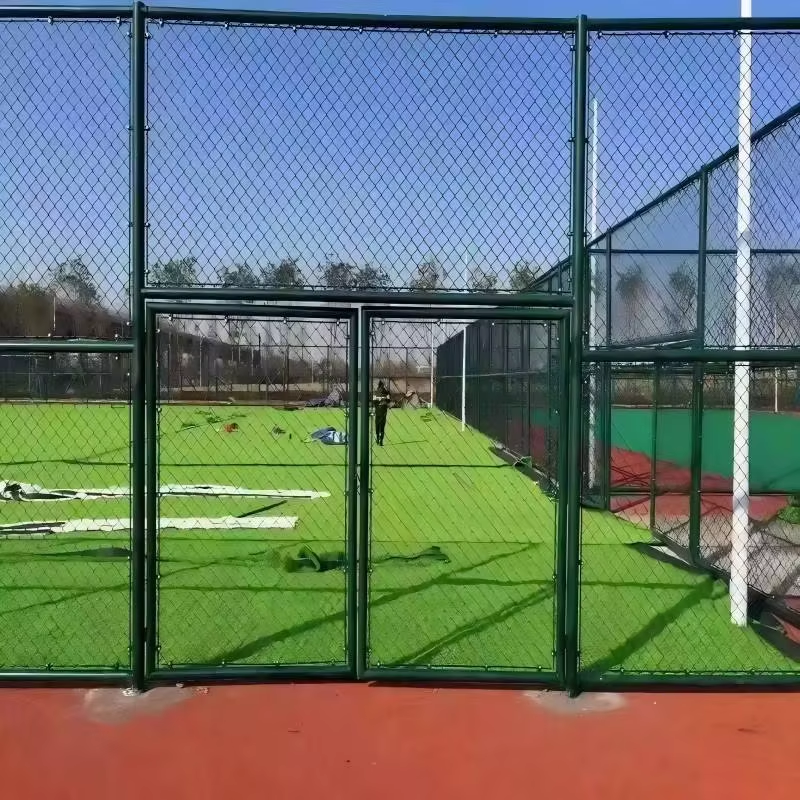
En cas de dommages plus graves (comme un montant courbé), il est possible de retirer la partie endommagée et de la remplacer individuellement, et le nouveau morceau métallique se connectera et s'intégrera aux autres sections de la clôture. Les sections endommagées d'une clôture métallique peuvent être réparées assez facilement pour qu'un propriétaire puisse le faire lui-même, sans avoir besoin de faire appel à un professionnel — ce qui n'est pas le cas des clôtures en bois, dont les réparations sont généralement plus complexes et nécessitent un professionnel qualifié.
Le temps nécessaire pour entretenir une clôture affectera finalement les coûts à long terme de l'entretien, et les clôtures en bois nécessitent plus d'entretien et ne durent pas aussi longtemps que les clôtures métalliques. Une clôture en bois bien entretenue durera entre 10 et 15 ans, mais elle exigera un entretien annuel sous forme de nettoyage, ainsi qu'un scellement ou une peinture tous les deux ans. La clôture nécessitera également des réparations en raison de la pourriture ou des dégâts causés par les nuisibles. Avec le temps, toute la clôture en bois devra être remplacée. Cependant, une clôture métallique de Metal Guardrails durera de 25 à 50 ans. Pendant cette période, la clôture ne nécessitera qu'un nettoyage occasionnel et de légères réparations. Une clôture en acier galvanisé devra être repeinte tous les 5 à 10 ans, ce qui représente un intervalle bien plus long que pour la clôture en bois. Une clôture en aluminium devra être repeinte encore moins fréquemment.
Une clôture bien construite et robuste en métal nécessite très peu d'entretien et durera longtemps, alors qu'une clôture en bois exige un entretien continu, ce qui prend davantage de temps et coûte plus cher.
Contrairement au bois, la clôture métallique offre un meilleur rendement à long terme en raison des faibles coûts d'entretien. En effet, bien que le bois puisse initialement présenter des coûts d'entretien plus bas, ceux-ci s'accumulent avec le temps. Les clôtures en bois nécessitent en effet des produits d'étanchéité coûteux, de la peinture, des nettoyants spécifiques, des traitements contre les parasites et le remplacement du bois pourri. Sur une simple clôture de 100 pieds, vous pourriez dépenser entre 200 et 500 par an, et après 15 ans, le remplacement coûterait environ 3000 à 5000. Les clôtures métalliques coûtent plus cher à l'installation, mais par la suite, l'entretien se limite à environ 50 à 100 par an pour 100 pieds. Vous n'aurez ensuite besoin de repeindre qu'une fois tous les vingt ans environ, et c'est tout. Autrement dit, après 25 ans avec une clôture métallique, vos dépenses totales d'entretien et de remplacement ne représenteraient que 30 à 40 % de celles encourues avec une clôture en bois.
Les clôtures métalliques vous font économiser sur l'entretien tout en réduisant les tracas. Les propriétaires connaissent bien les soucis constants et les coûts d'entretien liés aux clôtures en bois, et préfèrent donc celles en métal.
Droits d'auteur © 2025 par Chongqing Zhengda Steel Structure Co., Ltd. - Politique de confidentialité

 EN
EN