آنودایز کردن همچنان به عنوان یک روش محبوب برای پرداخت سطحی نردههای آلومینیومی مورد توجه است، زیرا از استحکام و ظاهر نرده محافظ حمایت میکند. فرآیند آنودایز شامل قرار دادن نرده آلومینیومی در یک محلول الکترولیتی و عبور جریان الکتریکی از آن است. این کار لایهای ضخیم و متخلخل از اکسید را بر روی سطح نرده ایجاد میکند. این لایه متخلخل اکسید به شدت به فلز پایه متصل شده و از نرده در برابر شرایط سخت محیطی جادهها، باغها و مراکز تجاری محافظت میکند. نردههای آلومینیومی آنودایز شده در کنار خطوط ساحلی به مدت سالها از زنگزدگی و خوردگی جلوگیری کردهاند. فرآیند آنودایز باعث میشود نرده از نظر زیبایی جذاب باشد و در عین حال در برابر شرایط سخت محیطی مقاومت کند. نردههای آلومینیومی آنودایز شده که در کنار خطوط ساحلی نصب شدهاند، به مدت سالها از آسیب ناشی از زنگزدگی و خوردگی جلوگیری کردهاند. آنودایز همچنین به نردهها کمک میکند تا در برابر هر نوع شرایط آبوهوایی مقاومت کنند. فرآیند آنودایز امکان انتخاب گستردهتری از رنگها را فراهم میکند و در عین حال دوستدار محیط زیست است. آنودایز به دلیل دوستدار محیط زیست بودن و تولید نردههای آلومینیومی آنودایز شدهای که انتظارات مشتریان را برآورده میکند، در پرداخت آلومینیوم بسیار مورد ارزیابی قرار میگیرد.
پوشش پودری به عنوان یک روش درست به همان اندازه متنوع برای تیغههای نگهدارنده آلیاژ آلومینیومی در نظر گرفته میشود، زیرا گزینههای بیشماری در رنگ و بافت ارائه میدهد.
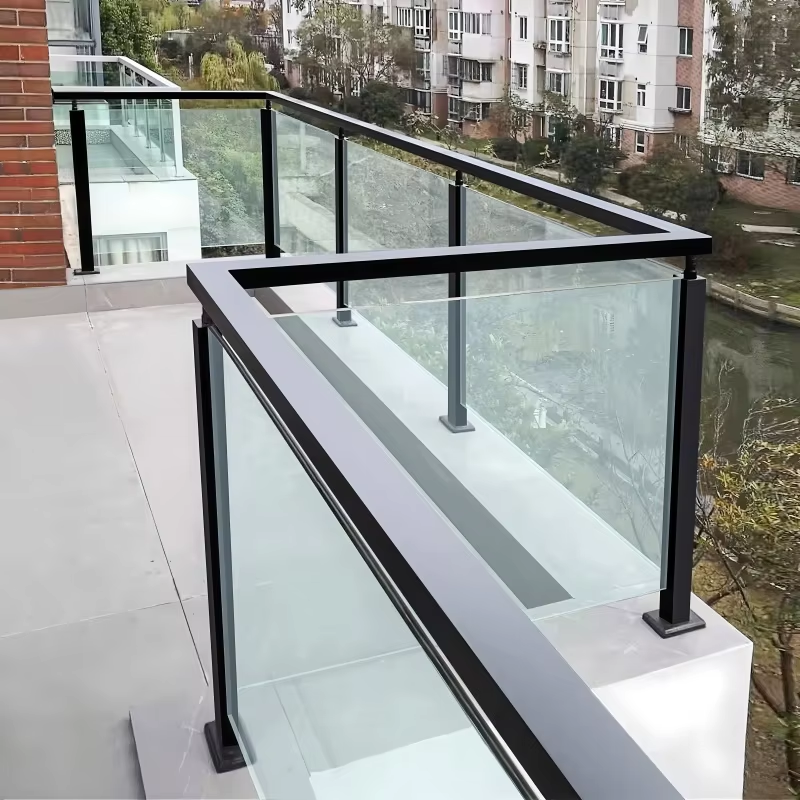
برای شروع فرآیند تولید تیغههای نگهدارنده آلیاژ آلومینیومی با پوشش پودری، ابتدا پودر خشکی که از رزین و رنگدانه تشکیل شده است، روی آلیاژ آلومینیومی اعمال میشود.
ریلها. ریلهای محافظ سپس حرارت داده میشوند تا پودر ذوب شده و پخته شود که در نتیجه سطحی محکم و تمامشده ایجاد میشود. برخلاف سایر پوششها، یکی از مهمترین مزایای پوشش پودری روی ریلهای محافظ آلومینیومی این است که میتوان ریلها را بهطور یکنواخت پوشش داد، حتی در قسمتهای پیچیده و لبهها، که هنگام سروکار داشتن با ریلهای محافظ دارای الگوهای پیچیده بسیار مهم است. استحکام ریلهای محافظ آلومینیومی با پوشش پودری نیز بسیار مهم است، بهویژه در مکانهایی با تردد بالای افراد، مانند محوطه مدارس یا پارکینگها، که اغلب ریلها به آنها برخورد میکنند. علاوه بر این، تنوع گستردهای از گزینهها در دسترس مشتریان در پوشش پودری وجود دارد که شامل رنگهای مختلف با سایههای متنوع و انواع پرداختهای مات، براق یا بافتدار است و به مشتریان کمک میکند تا ریلهای آلومینیومی را با نیازهای طراحی خاص خود تطبیق دهند. این پوشش همچنین در برابر تابش مستقیم خورشید مقاوم است و بنابراین برای ریلهای آلومینیومی فضای باز که مدت زمان طولانی در معرض نور خورشید قرار دارند، ایدهآل است. به همین دلایل است که پوشش پودری بهطور گسترده در پروژههایی که شامل ریلهای محافظ آلومینیومی میشوند، صرفنظر از اینکه مسکونی یا تجاری باشند، استفاده میشود. اکثر مردم از ریلهای آلومینیومی برای مصارف مسکونی استفاده میکنند، زیرا قابلاطمینانتر بوده و با کیفیت بالا ساخته شدهاند.
پوشش الکتروفورزی پیشرفتهترین روش پرداخت سطحی برای آلومینیوم است که کیفیت بالا و نردههای حفاظتی پیشرفته را مطلوب میسازد، به ویژه آنهایی که نیاز به مقاومت در برابر خوردگی دارند.
فرآیند اعمال پوشش الکتروفورتیک با قرار دادن نرده محافظ آلومینیومی در حوضچهای از محلول رنگ آبی شروع میشود. یک میدان الکتریکی به محلول رنگ اعمال میشود که منجر به رسوب الکتریکی ذرات رنگ بر روی سطح نرده میگردد. این فرآیند باعث ایجاد لایهای یکنواخت و نازک از پوشش میشود که به طور کامل نرده آلیاژی را دربرمیگیرد، حتی در سوراخهای کوچک و مناطق دوردستی که ممکن است در سایر روشهای پوششدهی نادیده گرفته شوند. پوشش الکتروفورتیک همچنین نرده را از رطوبت، مواد شیمیایی و هوای آلوده محافظت میکند؛ بنابراین، پوشاندن کامل نرده با رنگی با کیفیت بالا ضروری است. نمونهای از این کاربرد، استفاده از نرده محافظ آلومینیومی با پوشش الکتروفورتیک در نزدیکی ساختمانهای صنعتی است. در این شرایط، نرده در برابر بخارات خورنده شیمیایی محافظت شده و عمر آن نیز افزایش مییابد. این پوشش از نظر ظاهری نیز جذاب است و میتوان با فرآیندهای فرعی دیگری مانند لایههای رویی، ظاهر آن را بهبود بخشید. هرچند روشهای الکتروکرومیک عموماً جنبه عملکردی دارند، اما این فرآیند میتواند با رنگهای خنثی مانند خاکستری و مشکی، عناصر تزئینی نیز به رنگ اضافه کند و نرده را با محیط اطراف سازگارتر کند. ترکیب عملکرد و زیبایی این پوشش را به روشی بسیار ارزشمند برای سطوح تبدیل میکند.
پوشش فلوئورکربن درجهی بالا به نردههای محافظ آلیاژ آلومینیومی ارائه شده و حفاظت طولانیمدتی در برابر تابش خورشید و رنگپریدگی فراهم میکند.
لایه محافظ شامل رزینهای فلوئوروپلیمر است که به پوشش، مقاومت برجستهای در برابر تابش ماوراء بنفش (UV)، دماهای شدید و سایر آلایندههای محیطی میدهد. برخلاف سایر پوششها، نردههای حفاظتی آلیاژ آلومینیومی با پوشش فلوئورکربن، رنگ و براقیت خود را حفظ کرده و در برابر عوامل جوی و فرسایش تا ۲۰ سال مقاومت میکنند و میتوانند در برابر نور شدید خورشید، برف سنگین و حتی باران اسیدی پایداری داشته باشند. این مقاومت بسیار بالا، این نردهها را به گزینهای ایدهآل برای استفاده در احاطهکننده فرودگاهها، نردههای بزرگراهی و حتی بالکن ساختمانهای بلندمرتبه و سایر پروژههای بزرگمقیاس تبدیل میکند که در آنها تعویض نرده آلیاژ آلومینیومی هزینهبر و زمانبر است. اعمال پوشش فلوئورکربن به روش پاشش انجام میشود، به طوری که چندین لایه پوشش روی نرده آلیاژ آلومینیومی اعمال شده و هر لایه در دمای بالا عملآوری میشود تا چسبندگی بهبود یابد. این پوشش همچنین درجه بالایی از مقاومت شیمیایی دارد و نرده آلیاژ آلومینیومی را در برابر آسیبهای ناشی از مواد تمیزکننده و مواد شیمیایی صنعتی محافظت میکند. سرمایهگذاری در نردههای آلیاژ آلومینیومی با کیفیت بالا به این معناست که مشتری از پوشش فلوئورکربن استفاده خواهد کرد که البته هزینه بیشتری دارد، اما با توجه به عمر طولانی و نیاز بسیار کم به نگهداری، از نظر هزینه توجیهپذیر است.
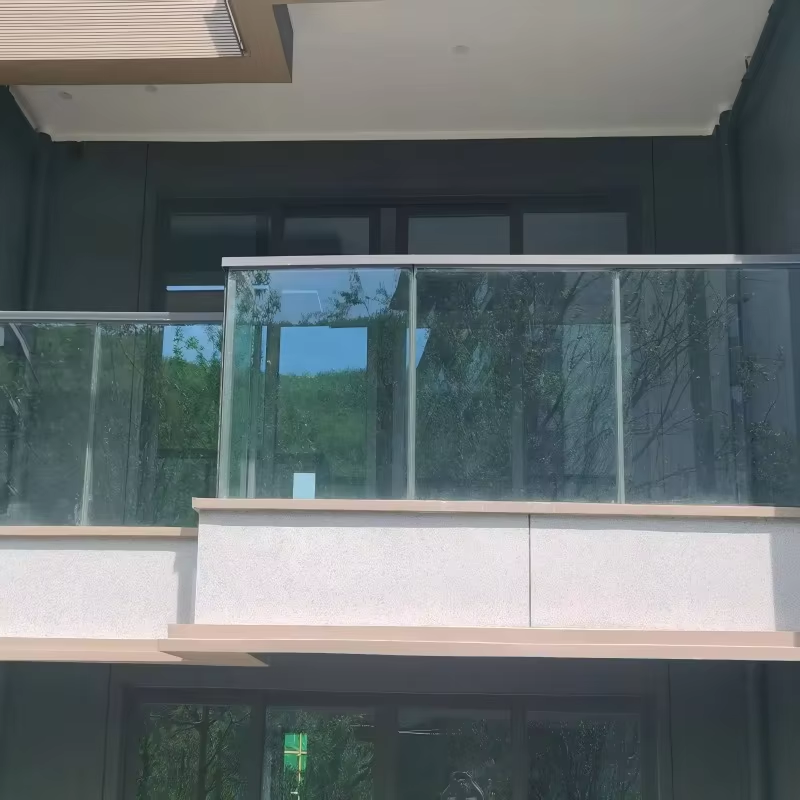
برخلاف سایر روشها که با آسیب جدیتر به نردههای حفاظ آلومینیومی سروکار دارند، استفاده از چرخها یا باندهای پولیش بیشتر بر روی آسیبهای سطحی جزئی مانند خراش، فرورفتگی یا حتی زدودن لکههای اکسیداسیون متمرکز است تا به یک سطح براق یا مات (مات ساتن) دست یابد و ویژگیهای نامطلوب سطحی را که توضیح داده شد، از بین ببرد. استفاده از پولیش در کاربردهای تزئینی متداول و مناسب است، مانند نردههای حفاظ آلومینیومی در باغهای لوکس مسکونی، لابی هتلها و فضاهای داخلی مراکز خرید، جایی که نرده علاوه بر عملکرد ایمنی، نقش تزئینی نیز دارد. به عنوان مثال، نرده آلومینیومی پولیششده در ورودی هتل با بازتاب نور، محیط را زیباتر میکند و با نمای ساختمان هماهنگ میشود و ورودی براق هتل را برای عابران پیاده قابل مشاهده میسازد. با این حال، پولیش مکانیکی به تنهایی محافظت در برابر خوردگی ارائه نمیدهد که بخشی از دلایل این است که چنین سطوحی علاوه بر پولیش، آندایزه شده یا حتی با پوشش شفاف پوشانده میشوند تا از سطح آلیاژ پولیششده محافظت شود. پولیش منظم و تمیزکاری مکانیکی به دلیل کدر شدن سطح ضروری است و اثر انگشتها روی چنین سطوح پولیششدهای بیشتر دیده میشود. به همین دلیل است که مشتریان از پولیش به عنوان یک روش مکانیکی برای تزئین نردههای خود بیش از سایر روشهای موجود برای پولیش آلیاژ استفاده میکنند. پایین را ببینید.
در تصمیمگیری درباره اینکه از کدام پوشش سطحی بر روی نردههای آلومینیومی استفاده شود، ضروری است که کاربرد مورد نظر نرده، الزامات طراحی، محل نصب و مهمتر از همه بودجه در نظر گرفته شود.
شرایط محیطی خود را در نظر بگیرید: برای نصبهای بیرونی در مناطق ساحلی یا صنعتی، از روکشهای مقاوم در برابر خوردگی (مانند آندایزینگ، پوشش الکتروفورتیک یا پوشش فلوئورکربن) استفاده کنید. برای نصبهای داخلی یا مناطق کمترافیک، نگهداری متعادل مشکلی ایجاد نمیکند و بنابراین روکشهای زیبایی مانند پودر پوشی یا پولیش مکانیکی کافی خواهند بود. بعد، بودجه خود را در نظر بگیرید: پوشش فلوئورکربن سرمایهگذاری بلندمدت عالی است، اما برای پروژههای کوچک مسکونی، آندایزینگ یا پودرپوشی با هزینه کمتر به خوبی نیازها را برآورده میکند. نیازهای طراحی شما نیز در ارزیابی این عوامل کمک خواهند کرد: اگر نرده حفاظ آلومینیومی باید با رنگ یا بافت خاصی هماهنگ باشد، گزینههای بهتر شما پودرپوشی یا آندایزینگ خواهد بود. پولیش مکانیکی برای یک پرداخت بدون درز و براق ترجیح داده میشود. در نهایت، تجربه تولیدکننده را در نظر بگیرید—تأمینکنندگان معتبر، مانند کسانی که در https://www.metalguardrails.com/, بر اساس دانش تخصصی آنها در مورد نردههای آلومینیومی، گزینههایی پیشنهاد خواهد شد. با در نظر گرفتن این پارامترها، میتوانید نوع پوشش سطحی را انتخاب کنید که بهترین تطابق را با عملکرد، ظاهر و دوام مورد نظر برای نرده آلومینیومی شما داشته باشد.
حق تکثیر © 2025 توسط شرکت چونگکینگ ژنگدا ساختار فولادی، محدود شده است. - سیاست حفظ حریم خصوصی

 EN
EN