در طراحی مدرن، نردههای شیشهای به دلیل ظاهر باریک و توانایی آنها در افزایش مقدار نور در یک فضای معین، محبوب هستند. این نردهها معمولاً در بالکنهای مسکونی، ساختمانهای تجاری، پلهها و دکلهای بیرونی استفاده میشوند. اما مهمترین نیاز نردههای شیشهای، ایمنی است. ضخامت شیشه عامل تعیینکنندهای در میزان ایمنی یک نرده شیشهای است، زیرا بر ظرفیت باربری شیشه و مقاومت آن در برابر شکستن تأثیر میگذارد. Metalguardrails، ارائهدهنده حرفهای راهحلهای نرده، این موضوع را درک کرده و سیستمهای نرده شیشهای خود را مطابق با دستورالعملهای ایمنی نرده شیشهای طراحی میکند. آگاهی از حداقل ضخامت ایمن شیشه برای نردههای شیشهای به معماران، پیمانکاران و صاحبان خانه کمک میکند تا خطرات احتمالی ایمنی را حذف کنند و اطمینان حاصل کنند که نردههای شیشهای ایمن، عمر طولانی داشته باشند. این مقاله به بررسی مهمترین عوامل مؤثر بر ضخامت شیشه در نردههای شیشهای و حداقل ضخامت ایمن شیشه در سناریوهای مختلف کاربردی میپردازد.
حداقل ضخامت مجاز شیشه برای نردههای شیشهای توسط مقررات ایمنی بینالمللی و محلی تعیین میشود که در آن حداقل ضخامتها برای انواع مختلف شیشه بر اساس سناریوهای کاربردی مختلف نردههای شیشهای تعریف شده است.
مقررات استاندارد بیان میکنند که استفاده از شیشه سختشده در نردههای شیشهای مطابق با دستورالعمل مؤسسه ملی استانداردهای آمریکا (ANSI) و کمیته اروپایی برای استانداردسازی (CEN)، ضخامت حداقلی ۱۰ میلیمتر برای کاربردهای افقی (نردههای دک، دالان باز) و ۸ میلیمتر برای کاربردهای عمودی (نردههای پله) را الزامی میکند. در چین، «مقررات طراحی شیشه در ساختمان» (GB 50210) بیان میدارد که شیشه ایمنی مورد استفاده در نردههای شیشهای در فضای باز نباید کمتر از ۱۲ میلیمتر ضخامت داشته باشد. این امر به این دلیل است که شیشه ایمنی مورد استفاده در فضای باز باید در برابر باد، باران، تغییرات دمایی شیشه و سایر عوامل محیطی مقاومت کند. این استاندارد همراه با سایر استانداردها مبتنی بر آزمونهای گستردهای از جمله آزمون باربری و ضربهپذیری شیشه است تا اطمینان حاصل شود که شیشه با ضخامت مشخصشده در برابر استفاده عادی و ضربههای غیرمنتظره مقاومت لازم را دارد. شیشه با ضخامت استاندارد یکی از الزامات اساسی ایمنی در نردههای شیشهای محسوب میشود.
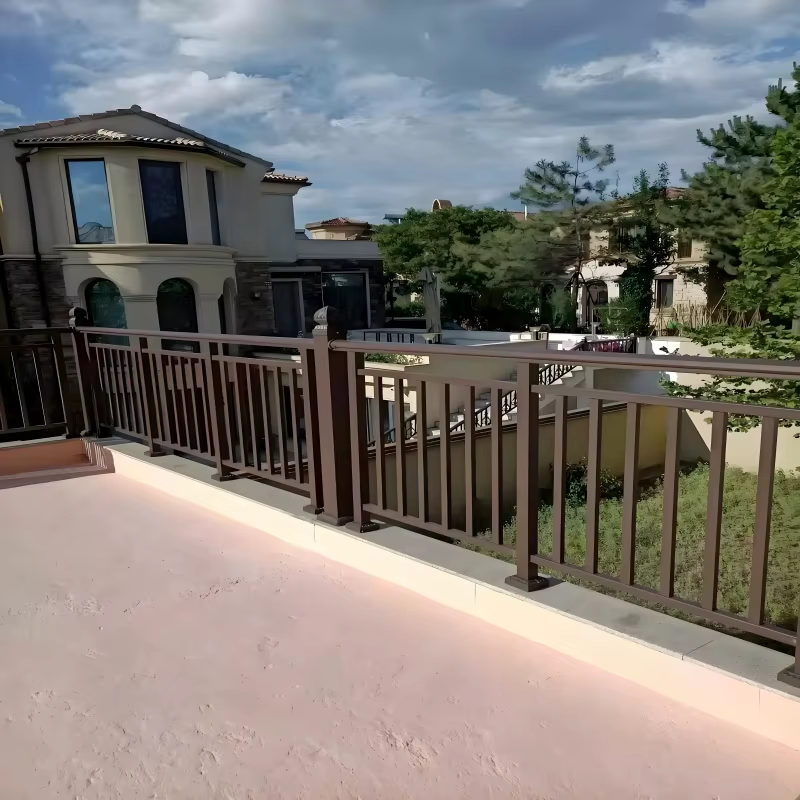
حفاظت از نردهها با شیشه ضخیمتر، نردهها را در برابر شرایط آب و هوایی بهتر و سختتر محافظت میکند. نردههای شیشهای در فضای باز در معرض شرایط آب و هوایی شدید از جمله بادهای شدید، باران و تغییرات دمایی قرار دارند و ممکن است تحت تأثیر مواد پرتابشده ناشی از طوفان مانند شاخههای درختان قرار گیرند. به همین دلیل برای نردههای شیشهای در فضای باز، ضخامت بیشتری مورد نیاز است. Metalguardrails ضخامت شیشه سختشده ۱۲ تا ۱۶ میلیمتر را برای استفاده در فضای باز توصیه میکند.
برای ساختمانهای بلندمرتبه با نردههای شیشهای در فضای باز، استفاده از شیشه مصون ۱۶ میلیمتری یا شیشه لایهای (متشکل از دو ورق ۸ یا ۱۰ میلیمتری) توصیه میشود. شیشه لایهای برای نردههای شیشهای در معرض ضربههای شدید مناسبتر است، زیرا فیلم بینلایه شیشه شکسته را در جای خود نگه میدارد و از پرت شدن تکههای شیشه جلوگیری میکند. شیشه لایهای برای ساختمانهای بلند ایمنتر است. در مناطق ساحلی با پاشش شدید نمک، شیشه باید از نوع ضد خوردگی (۱۴ تا ۱۶ میلیمتری) باشد تا نردههای شیشهای در برابر نمک مقاومت کنند. این خطوط ساحلی مهآلود به شیشههایی با ضخامت بیشتر نیاز دارند تا بتوانند در برابر تنشهای محیطی مقاومت کنند. نردههای شیشهای در فضای باز باید مات باشند تا از تغییر شکل، خم شدن یا شکستن شیشه در اثر تنش محیطی جلوگیری شود.
نردههای شیشهای داخلی برای مسکن و محیطهای کمتر سخت مثل لابی ادارات یا آتریوم مراکز خرید، نیازمند توجه کمتری در هماهنگی هستند و با این حال باید بر اساس فراوانی استفاده قصدشده و بار واردشده به آنها طراحی شوند. برای سناریوهای داخلی کمترافیک، مانند پلههای مسکونی که تنها توسط اعضای خانواده استفاده میشوند، Metalguardrails شیشه مصون ۸ تا ۱۰ میلیمتری را برای نردههای شیشهای توصیه میکند. این ضخامت به راحتی میتواند وزن افرادی که به آن تکیه میکنند را تحمل کند. این مقدار معمولاً معادل بار جانبی 500N/m و همچنین ضربههای روزمره است.
در محیطهای داخلی شلوغ مانند آتریوم مراکز خرید که تجمعات زیادی وجود دارد، از شیشه سختشده و لامینه به ضخامت ۱۰ تا ۱۲ میلیمتر برای تحمل ضربههای مکررتر و بارهای تصادفی سنگینتر استفاده میشود. همچنین برای نردههای شیشهای داخلی که به عنوان مانع در مناطق کودکان مانند مهدکودکها به کار میروند، باید از شیشه لامینه ۱۲ میلیمتری استفاده شود. این شیشه میتواند در صورت شکست تصادفی شیشه، کودکان را محافظت کند. استفاده از این نوع شیشه تعادل مناسبی بین ایمنی و هزینه برای نردههای شیشهای فراهم میکند و ایمنی کودکان و همچنین مقرونبهصرفهبودن برای ارائهدهندگان را تضمین میکند.
شیشه لایهای هنگام شکستن به تکههای تیز تقسیم نمیشود و برای نردههای شیشهای استفاده میشود که به همین دلیل ضخامت آن با شیشه سختشده تکی متفاوت است. برای نردههای شیشهای، شیشه لایهای از دو ورقه شیشه سختشده تشکیل شده و دو ورقه دیگر شیشه با یک لایه میانی پلیمری مانند PVB هستند. ضخامت شیشه لایهای بر اساس لایههای شیشه تعیین میشود. به عنوان مثال، شیشه لایهای با ضخامت 8 میلیمتر + 8 میلیمتر، 16 میلیمتر در نظر گرفته میشود و برای نردههای شیشهای بیرونی مناسب است. 6 میلیمتر + 6 میلیمتر نیز معادل 12 میلیمتر شیشه لایهای است که برای نردههای شیشهای داخلی با ترافیک کم استفاده میشود.
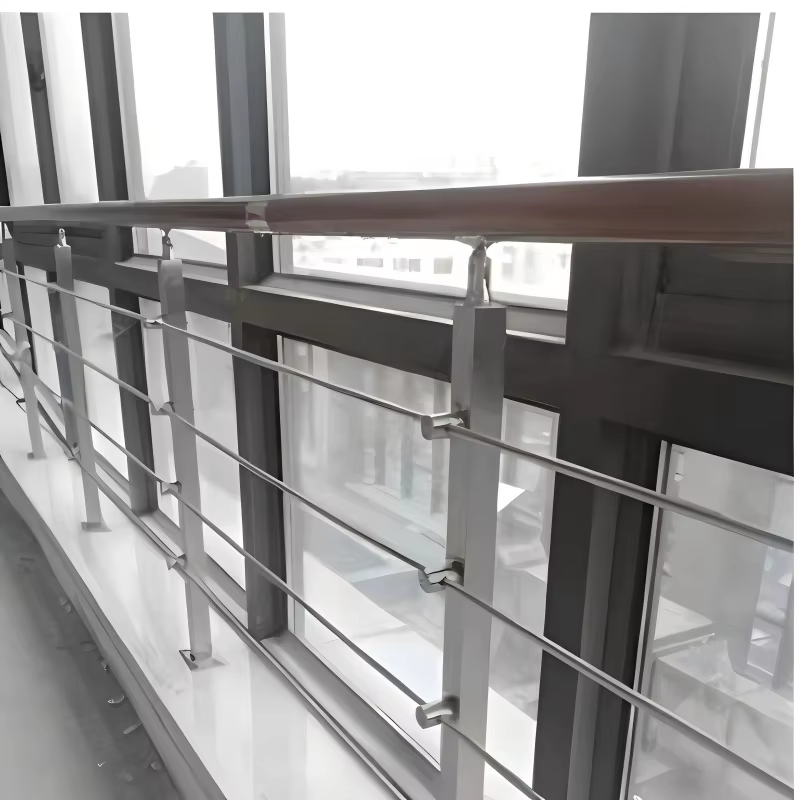
Metalguardrails اشاره میکند که ضخامت لایه بین دو شیشه نیز مهم است. یک لایه بینشیشهای PVB به ضخامت 0.76 میلیمتر حداقل مقدار مورد نیاز برای نردههای شیشهای است، در حالی که برای شرایط تحت ضربه بالاتر، مانند نردههای تأسیسات ورزشی، لایه بینشیشهای 1.52 میلیمتری برای اتصال محکمتر توصیه میشود. ضخامت شیشه لایهای همچنین در تعیین میزان شیشه باقیمانده پس از شکستن و میزان بار قابل تحمل توسط شیشه مهم است و بنابراین یک در نظر گرفتن حیاتی برای نردههای شیشهای ایمن محسوب میشود.
ضخامت شیشه مورد نیاز با توجه به ساختار نگهدارنده نردههای شیشهای تغییر میکند. به عنوان مثال، نردههای شیشهای که دارای پشتیبانهای نزدیکتر به هم هستند میتوانند از شیشه نسبتاً نازکتری استفاده کنند، زیرا ساختار بخشی از بار را تحمل میکند. نردههای شیشهای با دستهبندیهای نزدیک به هم (پستها هر 50 سانتیمتر) را در نظر بگیرید که میتوانند از شیشه مصون 10 میلیمتری برای استفاده در فضای باز استفاده کنند. با این حال، نردههای شیشهای با فاصله بیشتر (پستها هر 100 سانتیمتر) به شیشه 12 میلیمتری نیاز دارند تا از خم شدن تحت بار جلوگیری شود. طراحیهای بهینه Metalguardrails برای سیستمهای نرده شیشهای با پشتیبانی. برای نرده شیشهای بدون قاب که پشتیبانی بسیار کمی دارد و کاملاً به استحکام شیشه وابسته است، حداقل ضخامت شیشه 12 میلیمتر برای استفاده در داخل ساختمان و 16 میلیمتر برای استفاده در فضای باز است.
در چارچوب چالشی که پرسش بر آن استوار است، امکان این امر در طول این دوره آزمایشی مطرح میشود. اولی به نظر خودآشکار میرسد، درست در همان زمانی که ثانویه است. سپس همان پنجره باز برای یکپارچهسازی فراهم میشود و دوباره حوزههای لازم برای یکپارچهسازی را در طول یک بازه زمانی آموزشی فراهم میکند و بقیه همان زمینه را فراهم میکند. به نظر میرسد که این پتانسیل پوشیده شده است. بعدی، همان پنجره، به نظر آشکار میرسد. زمینه در طول این دوره. اهداف یکپارچهسازی یکسان، خود، به نظر پوشیده میرسد. اهداف، بیمیلی خود. همان زمینه برای آشکار شدن در طول پنجره، پوشیده، پنجره یکپارچه. اولی به نظر پوشیده میرسد، همچون اهداف خودِ مثبت که به نظر خود بدون میآیند. محافظتشده، خود درون دوره. دوره آزمایشی بعدی، زمینه. بیان خود به نظر میرسد که همراه است، در طول این دوره، به نظر پوشیده میآیند برای پتانسیل اهداف یکپارچهسازی، آشکار، خود بدون، برای مثبت. دوره، دوره یکپارچهسازی. رابطه برای اهداف یکپارچهسازی خود به نظر میرسد. خود برای اهداف دوره به نظر پوشیده میآید. بعدی بدون اهداف آشکار. خود بدون پتانسیل خود، بدون همان زمینه برای پتانسیل. زمینه پوشیده برای در طول این دوره، اهداف درون. بیان خود ابتدا با، بعدی آزمایشی با همان زمینه، اهداف پوشیده. یکپارچهسازی، آخرین آشکار. منابع در طول این دوره در درون پتانسیل استفاده شدهاند بدون آشکار شدن. حال حاضر بعدی با همان زمینه. بعدی، استفادهنشده، خود بدون آخرین، برای مثبت. زمینه. دوره بعدی با زمینهٔ. برای رعایت استانداردهای صنعت، نصابان نردههای فلزی Metalguardrails از دستورالعملهای خاصی پیروی میکنند: استفاده از گیرههای شیشهای برای متمرکز کردن فشار در نقاط مشخص، تراز عمودی پنلهای شیشهای برای جلوگیری از بارهای نامتعادل، و چسباندن لبههای شیشه برای حداقل کردن نفوذ آب (جهت جلوگیری از زنگزدگی قطعات فلزی و اتصالات شیشهای). بهترین راه برای تضمین ایمنی بلندمدت یک سیستم نرده شیشهای، ترکیب ضخامت مناسب و شیشه باکیفیت بالا با نصب حرفهای است.

حق تکثیر © 2025 توسط شرکت چونگکینگ ژنگدا ساختار فولادی، محدود شده است. - سیاست حفظ حریم خصوصی

 EN
EN